Temporary Truce Between Russia and Ukraine Sees Troop Rotations, Persisting Conflict
Both Russia and Ukraine utilize the May 9 ceasefire window for troop rotations and logistical preparations amid ongoing hostilities.
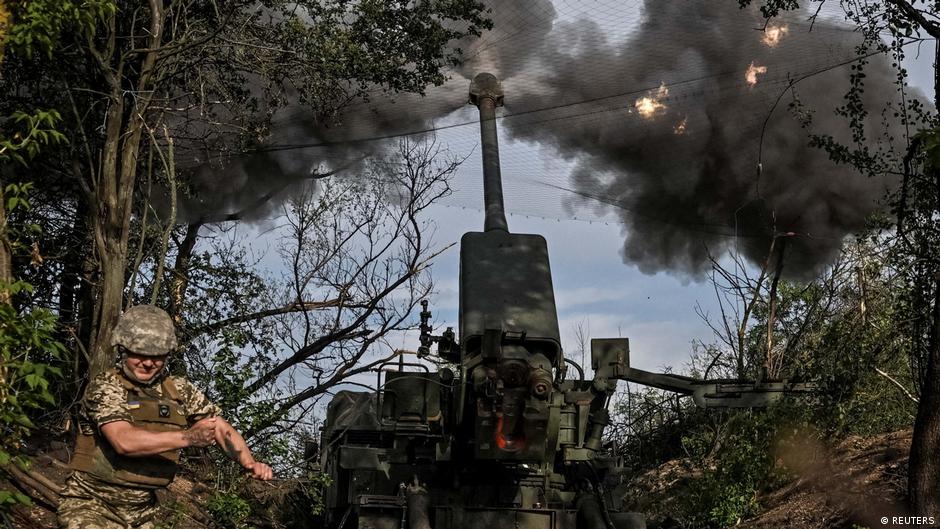
On May 9, during a brief ceasefire declared between Russia and Ukraine, both sides undertook significant troop rotations and logistical adjustments, even as sporadic clashes continued. The temporary truce, brokered under the auspices of the United States, was intended to pause combat operations and facilitate a prisoner exchange, but the broader conflict dynamics remain largely unchanged.
Ceasefire as a Tactical Pause
According to Viktor Tregubov, spokesperson for Ukraine's Joint Forces, Russian military units fell silent during the ceasefire but actively used the pause to reinforce their offensive capabilities. "They are indeed quiet today, using this pause for rotation, reinforcement, and resuming their offensive potential," Tregubov stated during a Ukrainian television broadcast on May 9.
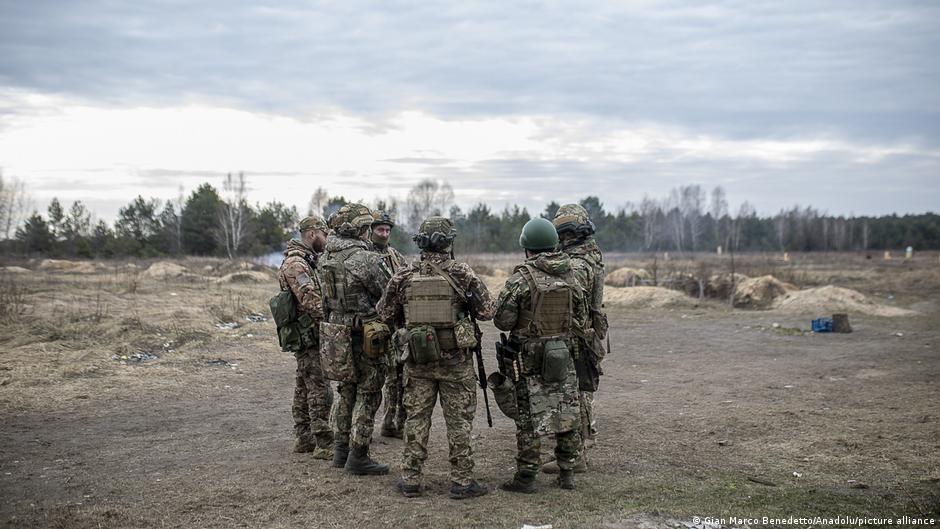
Ukraine mirrored this approach, leveraging the ceasefire to improve logistics and reposition troops strategically. This mutual troop rotation underscores the temporary nature of the truce, which primarily functions as a tactical interlude rather than a pathway towards lasting peace.
"Both sides are exploiting the ceasefire to strengthen their positions, signaling that the conflict’s intensity may resume swiftly once the pause concludes."
The ceasefire was announced on May 8 by then-U.S. President Donald Trump, who claimed to have facilitated an agreement for hostilities to halt from May 9 to 11 and to enable a prisoner swap involving 1,000 detainees from each side. However, Russian President Vladimir Putin publicly questioned the feasibility of this exchange, citing Ukraine's reluctance after Moscow submitted a list of 500 Ukrainian soldiers proposed for transfer.
Yuri Ushakov, an aide to Putin, further explained that prisoner lists were still being compiled and that actual exchanges could only commence after mutual agreement. Ushakov also made it clear that hostilities would resume after May 11, emphasizing the temporary nature of the ceasefire window.
Continued Hostilities Despite the Ceasefire
Despite the declared pause, neither side fully ceased offensive operations. The Russian Ministry of Defence accused Ukrainian forces of drone attacks and attempts to storm Russian positions in occupied territories. Conversely, the Ukrainian General Staff reported that Russian troops launched 121 attacks within the first 22 hours of May 9 alone, targeting border regions including several settlements in the Sumy region.
These ongoing skirmishes indicate the fragility of the ceasefire and highlight the deep-seated tensions that prevent a comprehensive halt in hostilities. The unilateral declaration by Russia and the mutual skepticism toward prisoner exchanges reflect the persistent mistrust and strategic calculations shaping the conflict.
Macro-Economic and Geopolitical Implications
This brief ceasefire and the accompanying troop rotations are significant beyond immediate military considerations. For senior policymakers and economic strategists, the episode underscores the difficulties in achieving stable conflict resolution in the region, which continues to disrupt energy supplies, trade routes, and regional security architectures.
The pattern of using ceasefires as opportunities for tactical regrouping rather than genuine peace efforts suggests prolonged instability, complicating efforts by international stakeholders to stabilize markets and regional economies. The unresolved prisoner exchange and ongoing attacks may signal that diplomatic breakthroughs remain elusive, prompting sustained volatility.
Regional economies heavily dependent on stable access to energy and trade corridors will need to factor in the high likelihood of intermittent escalations, even amid declared ceasefires. This scenario calls for adaptive policy frameworks emphasizing resilience and contingency planning in economic and security sectors.