Former Polish Justice Minister Flees Hungary for the US Amid Extradition Tensions
New Hungarian government vows to extradite Polish officials sheltering in Budapest, while one fugitive relocates to the United States.
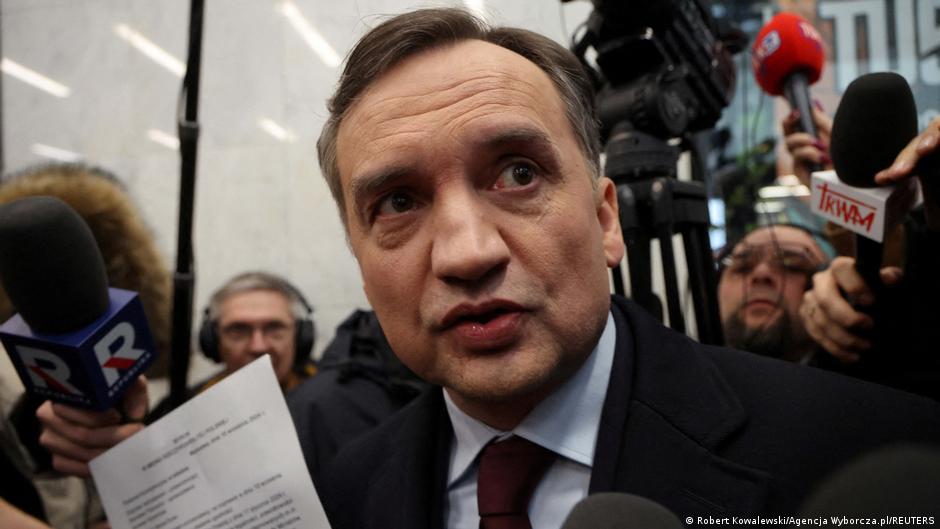
The recent relocation of former Polish Justice Minister Zbigniew Ziobro from Hungary to the United States signals a deepening diplomatic rift and highlights shifting political alignments within Central Europe. This development follows Hungary’s governmental transition, with Prime Minister Péter Medgyessy pledging to cooperate with Poland in repatriating officials who had previously found refuge under the administration of Viktor Orbán.
Political Asylum and the Changing Hungarian Stance
Zbigniew Ziobro, sought by Polish authorities on multiple criminal charges including corruption and abuse of power, left Hungary—his prior place of asylum—and arrived in the United States on May 9, 2026. Polish media confirmed his presence at Newark Liberty International Airport, supported by photographic evidence. The Polish Prosecutor General’s Office has since initiated an investigation into the circumstances of his departure, emphasizing that Ziobro’s Polish passport had been revoked, raising questions about the travel documents used during his exit from the Schengen Area.
"We will not cease efforts to hold the fugitive former minister accountable before Polish justice," stated Poland’s Minister of Justice, Waldemar Żurek.
Reports indicate that Ziobro entered the US on a work visa linked to his affiliation with the conservative Polish broadcaster Republika, which has extended him a role as a political commentator. Credible sources suggest that the visa approval may have been facilitated at the highest levels, possibly with endorsement from then-US President Donald Trump, reflecting ideological affinities between Poland’s ruling Law and Justice (PiS) party and Trump-aligned American political factions.
Previously, Hungary under Viktor Orbán had become a haven for several Polish politicians facing legal scrutiny in Warsaw. Orbán’s government had characteristically dismissed these prosecutions as politically motivated. However, the April 2026 parliamentary elections brought Péter Medgyessy and his party, Tisza, to power, promising a policy shift with a clear commitment to ending Hungary’s role as a sanctuary for foreign fugitives.
Economic and Geopolitical Implications for Central Europe
The extradition saga is emblematic of broader transformations in Central European political dynamics, with direct consequences for regional governance and cross-border cooperation. Hungary’s change in government marks a potential realignment in its foreign policy, potentially improving relations with neighboring Poland and the European Union, which has often expressed concern over Orbán’s rule.
Moreover, this case underscores the entanglement of political networks and legal institutions within the EU’s member states, highlighting vulnerabilities in the enforcement of judicial decisions across borders. The phenomenon of political asylum within the bloc complicates efforts to uphold rule of law standards, which remain critical for economic stability and investor confidence in the region.
From a macroeconomic perspective, uncertainty stemming from such political disputes can hinder foreign investment and disrupt economic integration. Countries like Poland and Hungary are significant beneficiaries of EU funds and investments, and political instability or strained diplomatic relations can imperil these flows, impacting long-term growth prospects.
Furthermore, the involvement of external powers such as the United States in issuing visas to controversial figures illustrates the transatlantic dimension of Central European political affairs, potentially influencing US-EU relations and the geopolitical balance in the region.
As Hungary navigates its new policy direction, the handling of cases like Ziobro’s will be a litmus test for its commitment to the rule of law and cooperation within the European framework. Poland’s insistence on accountability also signals a readiness to engage diplomatically and legally with allies to resolve contentious issues, which may contribute to regional stability over the long term.