Germany Accelerates Long-Range Weapons Development Amid Russian Iskander Threat
Germany steps up efforts to develop indigenous long-range strike capabilities following the US decision against deploying Tomahawk missiles.
Germany is fast-tracking the development of its own long-range missile systems in response to the perceived threat posed by Russian Iskander missile deployments in Kaliningrad and other strategic locations. This shift comes after the United States decided not to station Tomahawk cruise missiles on German soil, a move that was initially intended as a temporary deterrent against Russian aggression.
Strategic Recalibration Following US Withdrawal
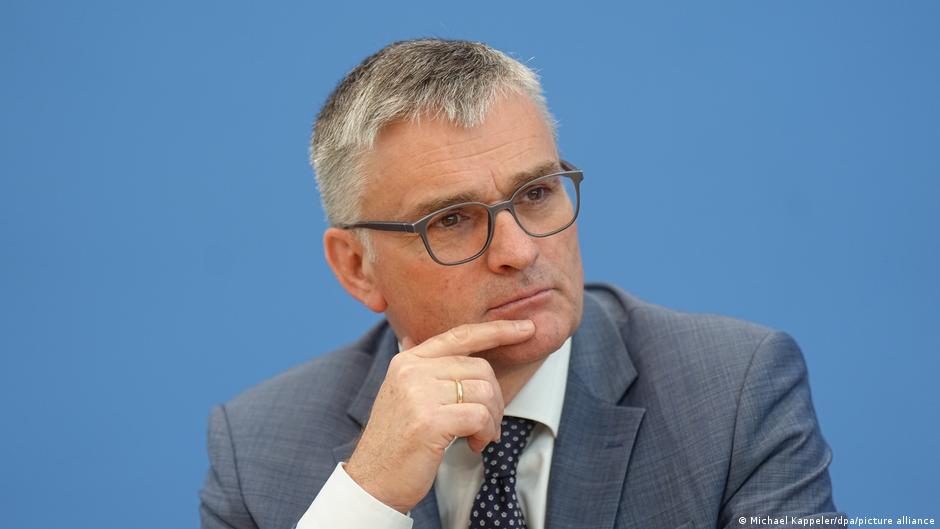
Stefan Kornelius, the official government spokesperson, emphasized on May 4th that Germany and its European partners had already been working on a joint long-range precision strike program known as the European Long-Range Strike Approach (ELSA). This initiative aims to counterbalance Russia’s modernized missile capabilities, particularly the deployment of Iskander systems which pose a direct threat to European security.
“The deployment of Iskanders in Kaliningrad and other regions represents a serious threat to Europe. Our European Long-Range Strike Approach is designed to negate this threat through a comprehensive deterrence strategy,” Kornelius stated.
Germany’s decision to pivot toward indigenous weapons development underscores concerns over a potential gap in NATO’s deterrence posture. The German government is working on a broad package of deterrence measures coordinated at the national and European levels, including cooperation with NATO allies.
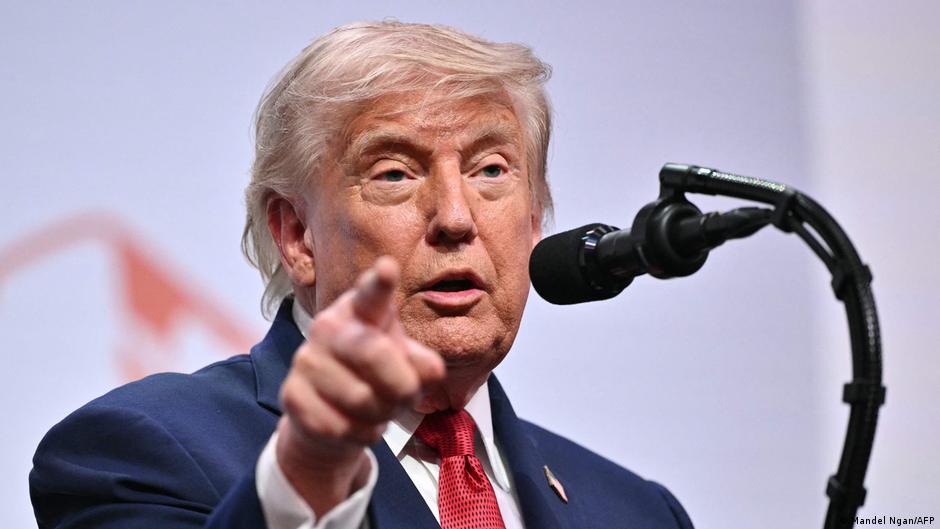
Chancellor Friedrich Merz, speaking on the ARD channel on May 3rd, confirmed that the US will not be deploying Tomahawk missiles in Germany as initially planned, citing that these assets remain critical to US military operations. This decision traces back to an agreement in early 2024 between then-US President Joe Biden and German Chancellor Olaf Scholz, aiming to send a deterrence signal to Russia amidst its ongoing war against Ukraine.
Building European Strategic Autonomy
The German Ministry of Defense announced efforts to enhance both German and broader European deterrence capabilities. Among these efforts is the modernization of Germany’s TAURUS cruise missile system and the continued collaborative development of high-precision, long-range weaponry including advanced unmanned systems under the ELSA program.
These developments are driven by assessments that by 2029, Russia may possess the military capacity to launch an offensive against a NATO member state. Consequently, European defense policymakers are increasingly focused on reducing reliance on American intermediate-range missile systems, which currently remain unavailable to Germany and many allies.
Within Germany's ruling Christian Democratic Union (CDU), some voices advocate for increased defense collaboration with Ukraine, including joint development of medium-range missile systems. Bundestag member Roderich Kiesewetter criticized the previous US administration’s withdrawal from stationing Tomahawk missiles in Germany as a “grave error” that undermines European security.
“The shortage of American intermediate-range systems to counter Russia’s nuclear threat directly impacts Europe’s security. A viable path forward is for Europe, in cooperation with Ukraine, to develop its own systems by 2030,” Kiesewetter argued during a May 4th interview on ARD’s Morgenmagazin.
Germany’s strategic pivot toward indigenous long-range strike capabilities forms part of a broader European trend toward strategic autonomy in defense. This shift could entail significant long-term ramifications for NATO’s force structure, transatlantic relations, and the broader geopolitical balance amid heightened tensions with Russia.
As Europe navigates these evolving security challenges, Germany’s accelerated weapons development program will be a key factor shaping the continent’s future deterrence and defense posture.