Drone Strike Hits Residential Building in Western Moscow Amid Heightened Security Alert
A drone struck a residential building in Moscow's Mosfilmovskaya Street area, prompting emergency responses and raising concerns over urban security.
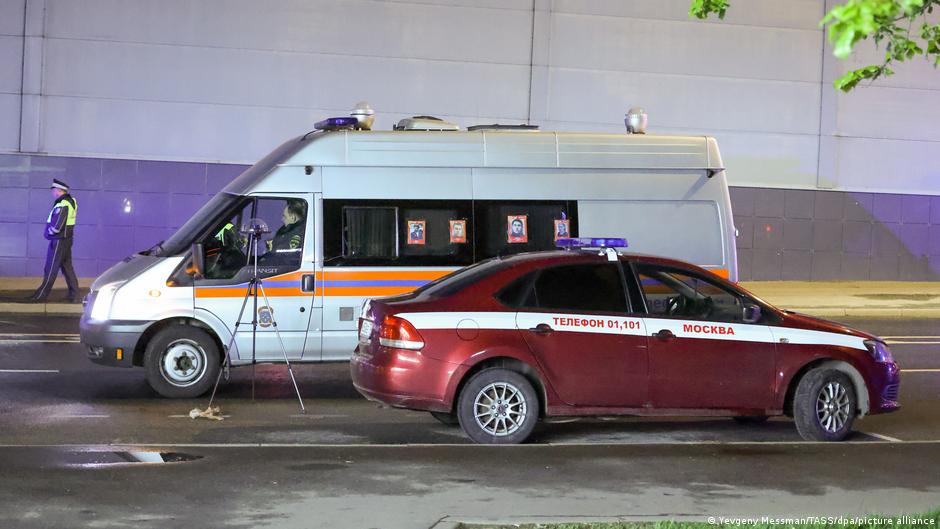
In the early hours of May 4, a drone impacted a residential building located on Mosfilmovskaya Street in western Moscow, resulting in visible structural damage but no reported casualties. Moscow's mayor, Sergey Sobyanin, confirmed the incident and noted that emergency services are actively managing the situation.
According to multiple local sources, including Telegram channels monitoring the event, the facade of the elite residential complex known as "Dom na Mosfilmovskoy" suffered damage, with several apartment windows shattered by the incident. Debris from the drone and building structures fell onto the surrounding property, prompting authorities to close off the adjacent street and establish a security perimeter.
Implications for Urban Security and Economic Stability
The attack, which also involved the interception and destruction of two additional drones by Moscow's air defense units, underscores a troubling escalation in the use of unmanned aerial vehicles (UAVs) in urban conflict zones. While no injuries were reported, the incident highlights emerging vulnerabilities in metropolitan areas that could have broader economic and policy repercussions.
"The response to the drone strike demonstrates the increasing need for integrated urban defense mechanisms as cities become focal points in asymmetric conflicts," said an independent security analyst.
From a macroeconomic perspective, the targeting of residential infrastructure in a major global city like Moscow raises concerns about the potential for disruption to economic activity and investor confidence. Damage to high-value real estate assets can ripple through financial markets, insurance sectors, and urban development plans, particularly when security risks become a persistent feature.
Policy shifts may be anticipated as city administrations and national governments assess the need for enhanced airspace monitoring, counter-drone technologies, and revised urban emergency preparedness frameworks. The operational costs linked to such security upgrades, alongside the indirect economic impacts from heightened risk profiles, could influence both public budgets and private investment decisions.
As drones and other remote-controlled technologies continue to evolve in their tactical applications, the incident in Moscow serves as a case study for global policymakers and economic strategists to anticipate and mitigate the long-term consequences of emerging security threats on urban economic stability.