Germany to Transfer Former Nord Stream Power Plant to Ukraine Amid Energy Realignment
As part of humanitarian aid, Germany will transfer a gas-fired power plant once serving the Nord Stream pipeline to Ukraine, reflecting shifting European energy dynamics.
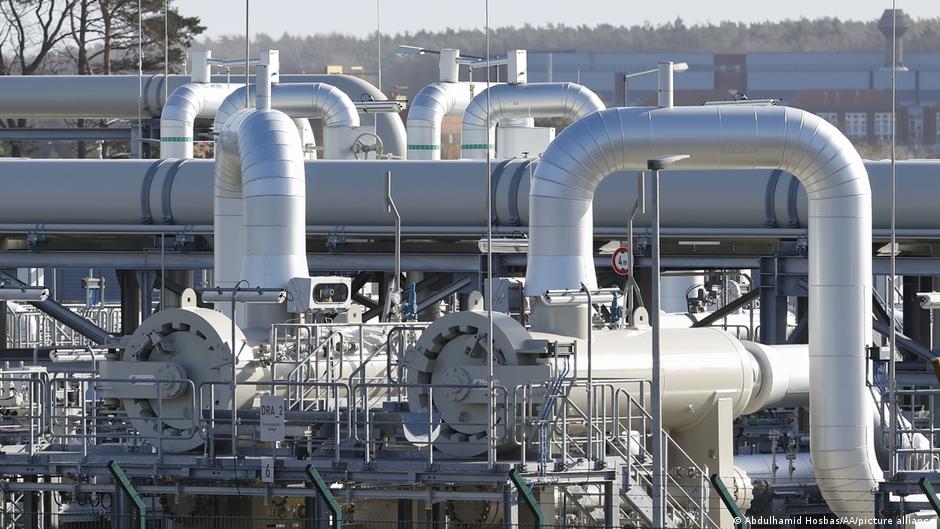
Germany plans to transfer a gas-fired combined heat and power plant located near Greifswald, formerly used to support the Nord Stream gas pipeline, to Ukraine under humanitarian terms. The transfer was announced by Sefe Securing Energy for Europe (formerly Gazprom Germania), the majority owner of the plant.
Strategic Implications of the Power Plant Transfer
The power plant, known as Industriekraftwerk Greifswald GmbH (IKG), supplied technological heat and electricity essential for the Nord Stream pipeline’s operation. With a capacity of 84 megawatts generating both heat and electricity, it played an instrumental role in maintaining pipeline infrastructure.
Following Russia's reduction and eventual cessation of gas deliveries through Nord Stream in summer 2022, the pipeline suffered significant operational disruptions, including severe damage from explosions. Concurrently, Germany committed to phasing out imports of Russian gas amid the ongoing conflict in Ukraine.
Due to the halt in Russian gas flows, the power plant’s operation became economically unviable, leading to its full shutdown in 2023. Attempts to find alternative buyers were unsuccessful, leaving the plant inactive and costly to maintain.
"Transferring the power plant to Ukraine on a self-pickup basis is economically prudent, avoiding dismantling or disposal expenses while supporting Ukrainian energy infrastructure," Sefe stated.
By transferring the plant under a humanitarian framework, Germany not only alleviates its own financial burden but also bolsters Ukraine’s energy capabilities during a critical period. This move underscores the broader reshaping of European energy infrastructure in response to geopolitical upheavals.
Economically, the transfer signals an adaptation to altered gas supply chains and a strategic reorientation away from Russian energy dependence. For Ukraine, acquiring the plant could enhance its capacity to support local power generation and industrial heating, vital for resilience amid ongoing conflict and reconstruction demands.
At a macroeconomic level, this transfer reflects how energy policy decisions are intertwined with geopolitical conflicts, humanitarian considerations, and the drive for energy security across Europe. It highlights increasing European efforts to diversify energy supplies and reconfigure critical infrastructure in the face of disrupted Russian energy exports.
Furthermore, the arrangement showcases how energy assets, traditionally tied to fossil fuel flows, are being repurposed to meet emergent needs under shifting geopolitical realities. The decision may also inform future policies on managing legacy energy infrastructure in a post-Russian gas Europe.