Former French President Sarkozy Granted Early Conditional Release in Campaign Finance Case
Nicolas Sarkozy receives conditional early release amid ongoing legal challenges tied to 2012 election overspending.
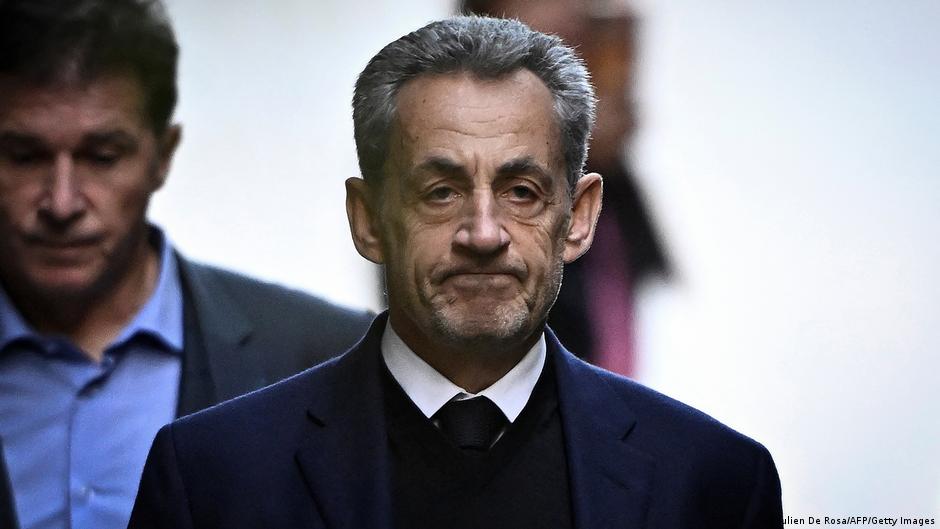
The French court has approved the conditional early release of former President Nicolas Sarkozy, 71, in connection with the 2012 presidential campaign finance overspending case. This marks a notable development in a series of legal proceedings against the ex-head of state, reflecting the complexities of political accountability and judicial enforcement in France.
Legal Background and Economic Implications
Sarkozy was initially sentenced to one year in prison for exceeding official spending limits during his 2012 campaign, specifically involving the PR agency Bygmalion. The court found that his political party received over €18 million from Bygmalion that were not officially accounted for as campaign expenses.
The sentence was later reduced to six months with the option to serve the term wearing an electronic bracelet, a measure now lifted as part of the early release decision effective May 7. Sarkozy, who served as French president from 2007 to 2012, became the first former French head of state to receive a real prison sentence.
From a macroeconomic perspective, this case underscores the vital role of regulatory oversight in election financing, which impacts the integrity and transparency of democratic processes. The ability of political campaigns to spend beyond legal limits can distort electoral competition, affecting policy directions and long-term governance stability.
"The decision to grant early conditional release reflects both Sarkozy's age and the judiciary’s balancing act between punishment and rehabilitation."
Moreover, the financial irregularities in campaign spending highlight risks for economic policy continuity and investor confidence, given that political scandals can undermine institutional credibility.
Ongoing Judicial Matters and Broader Consequences
In addition to the Bygmalion case, Sarkozy has faced other convictions. In March 2021, he was found guilty of corruption and bribery involving a Cassation Court employee and sentenced again to one year in prison, which was partially served under house arrest with electronic monitoring.
Another significant case involves allegations of illicit funding of Sarkozy's campaigns by Muammar Gaddafi’s Libyan regime between 2005 and 2007. In September 2025, he was convicted of criminal conspiracy and sentenced to five years in prison with a suspended sentence, and spent 20 days in custody before being released under judicial supervision. An appeal on this matter remains under review.
The persistent legal challenges facing Sarkozy illustrate the increasing judicial scrutiny of political figures in France and Europe, reflecting broader trends toward enhanced governance accountability. For global investors and policymakers, these cases signal evolving risks related to political leadership and the enforcement of anti-corruption norms.
Ultimately, Sarkozy’s legal saga offers a cautionary tale regarding campaign finance management, the political economy of legal institutions, and the potential long-term economic consequences of governance failures in major developed economies.