U.S. Says Five Iranian Oil Tankers Destroyed as Gulf Risks Escalate
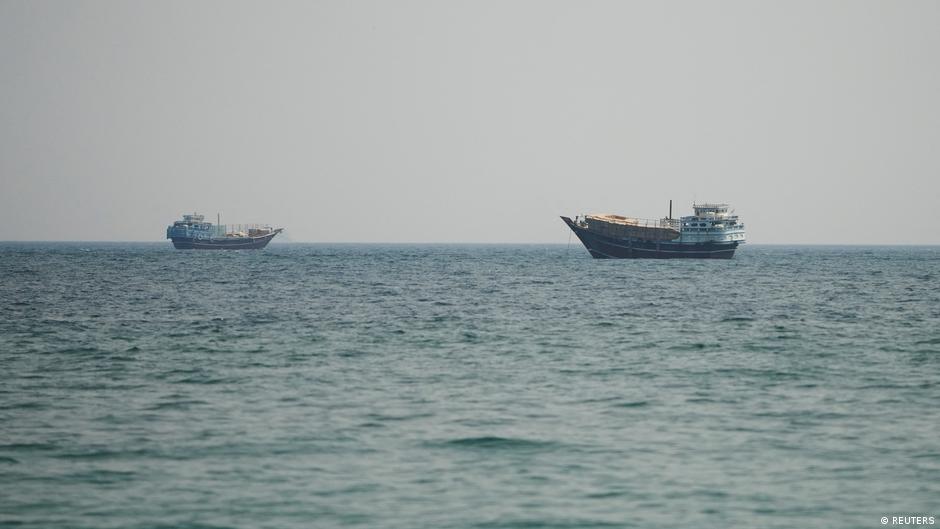
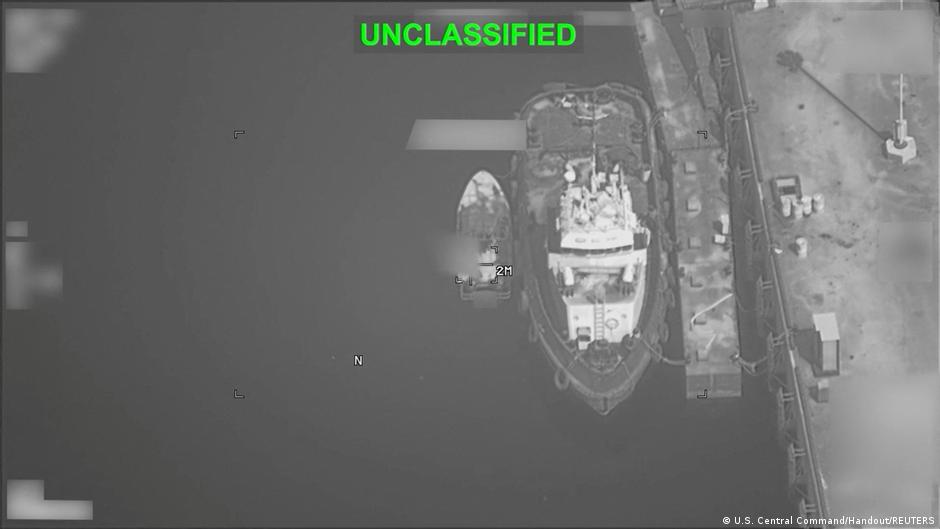
CENTCOM said it destroyed five Iranian oil tankers after IRGC missile attacks, deepening risks around Gulf shipping and oil markets.

CENTCOM said it destroyed five Iranian oil tankers after IRGC missile attacks, deepening risks around Gulf shipping and oil markets.

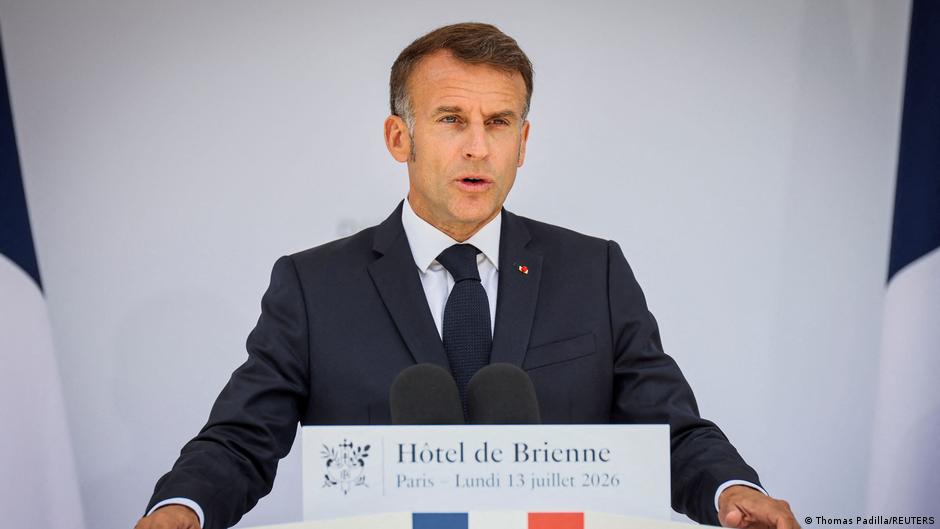
Macron is pushing Brussels to consider an EU-wide under-15 social media ban after France’s top constitutional body blocked a national measure.

The EU cancelled a planned defence expert group after resistance from Germany and Italy, exposing unresolved tensions over Europe’s security and spending strategy.

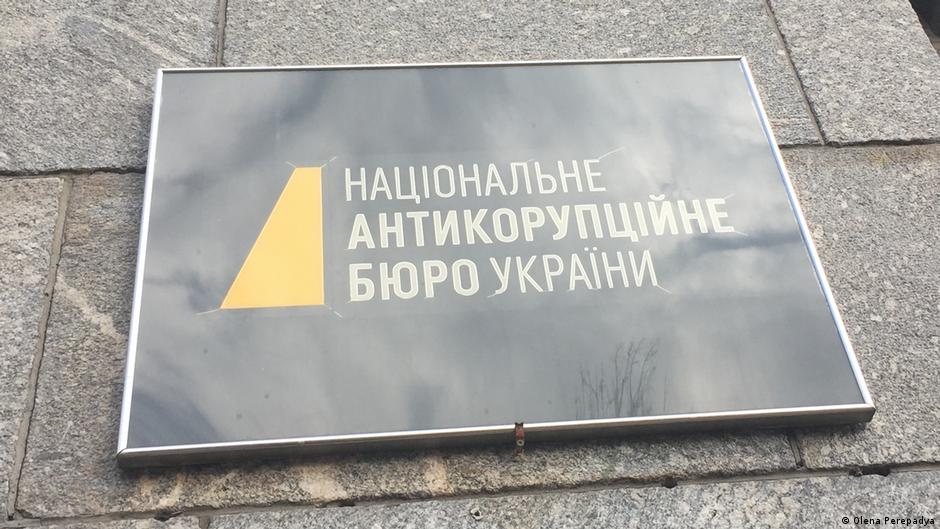
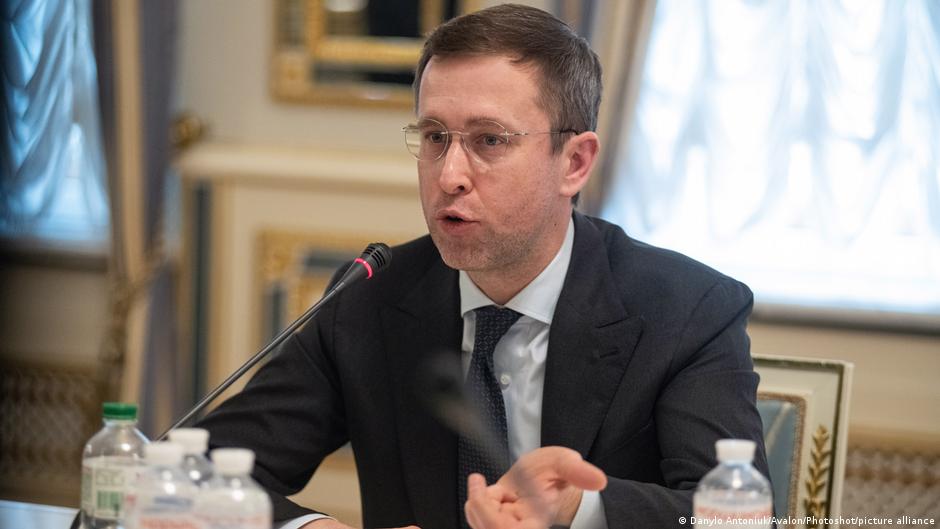
Ukraine’s anti-corruption agencies searched the Prosecutor General’s Office in a probe tied to fraudulent call centers and alleged official protection.

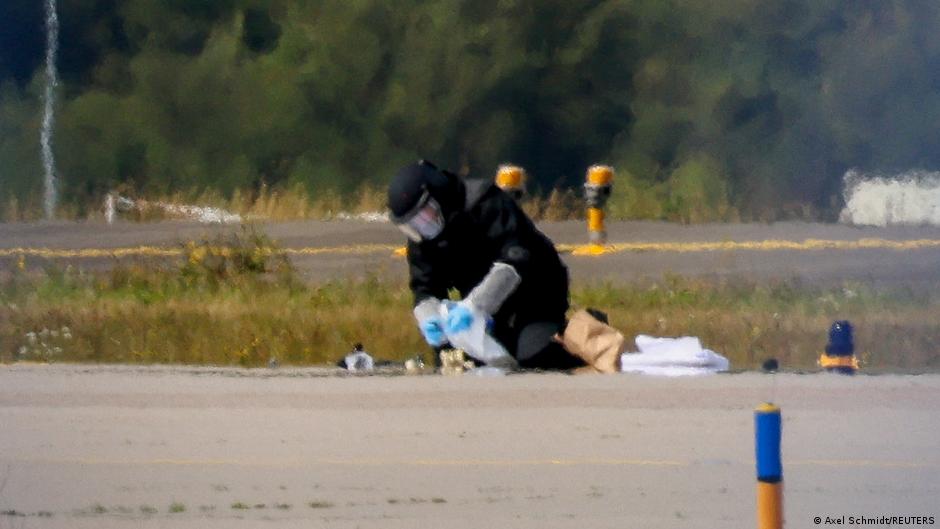
Latvia says a suspect in the Leipzig sabotage case had lived in Russia, as the incident drives wider EU security, sanctions and border-policy responses.

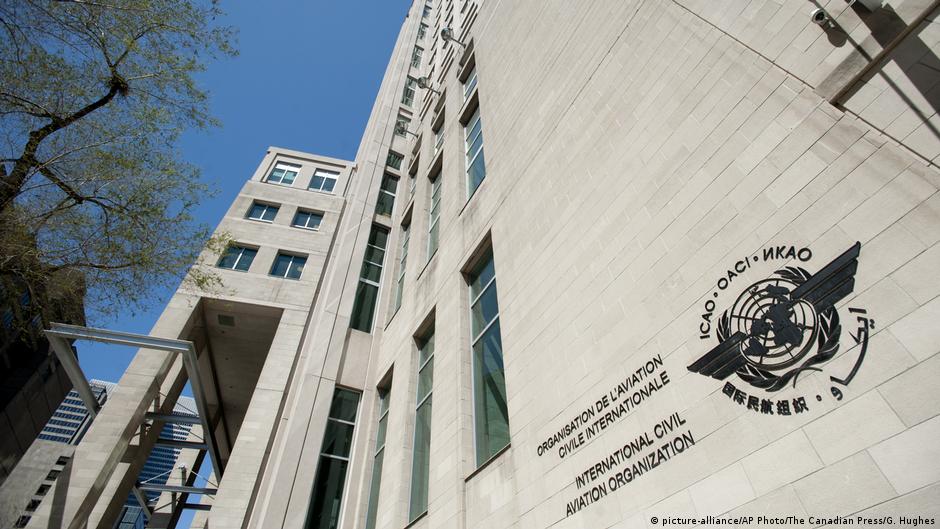
ICAO urged stronger protection for civilian aircraft near conflict zones after Ukraine warned that Russian airspace is becoming unsafe.

US Treasury Secretary Scott Bessent reportedly told Russia that sanctions pressure will not ease before the war in Ukraine ends.

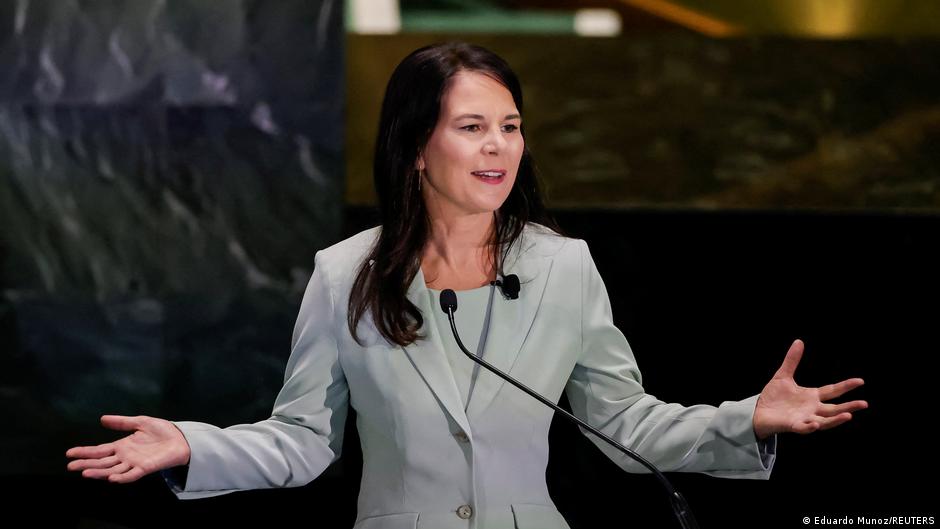
Annalena Baerbock, former German Foreign Minister and UNGA President, will serve as co-director of Columbia University's public administration program focused on global leadership.

Former Kremlin-aligned blogger Ilya Remeslo faces detention for criticizing Putin and the Ukraine war, highlighting Russia's escalating suppression of dissent amid ongoing conflict.

The EU pledges sustained support for Ukraine, linking its future EU membership with regional security and pledging intensified sanctions on Russia amidst ongoing conflict.

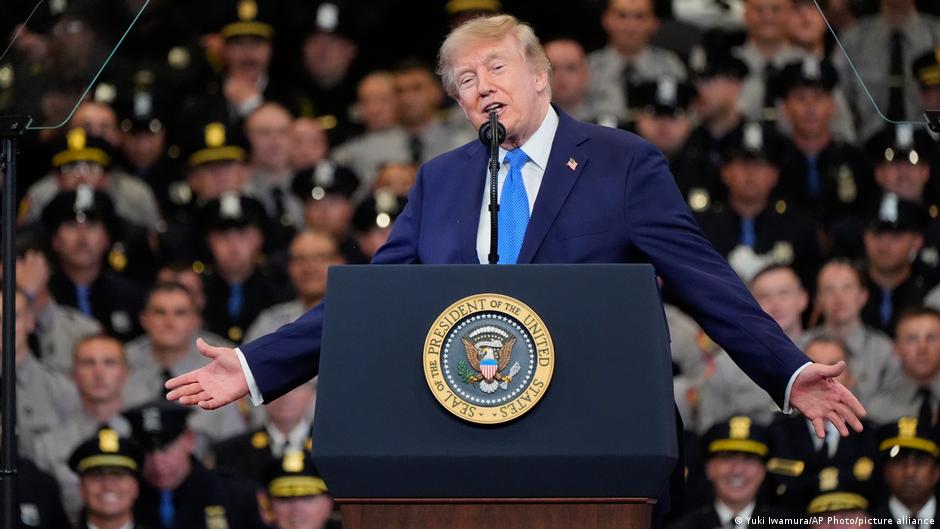
The US Supreme Court allows President Trump to resume White House renovations, including a new ballroom and military bunker, overturning lower court injunctions amid debates on executive authority.

Serbia announces early parliamentary elections in October 2023 amid ongoing protests and demands for anti-corruption reforms, signaling potential shifts in the country’s political and economic trajectory.

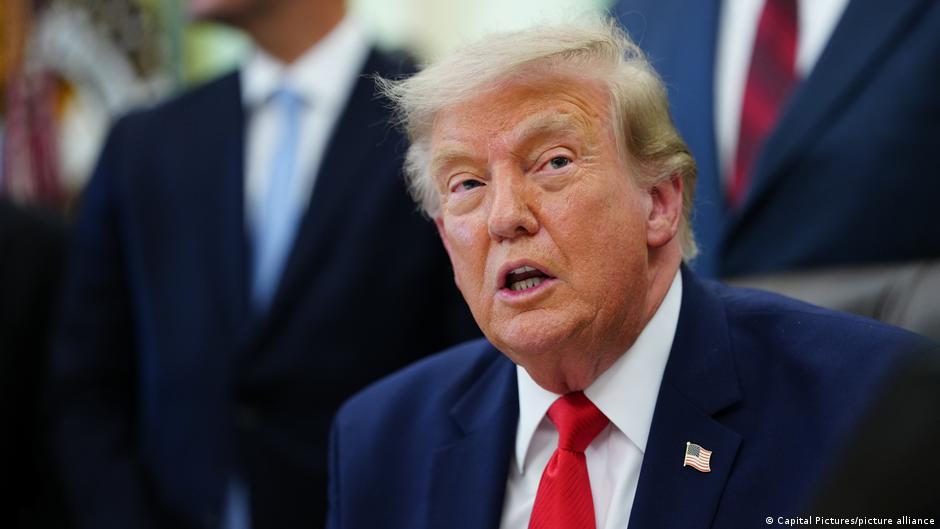
US President Trump announces an unprecedented economic war on Iran, threatening sanctions on any country supporting Tehran, intensifying global economic and geopolitical tensions.

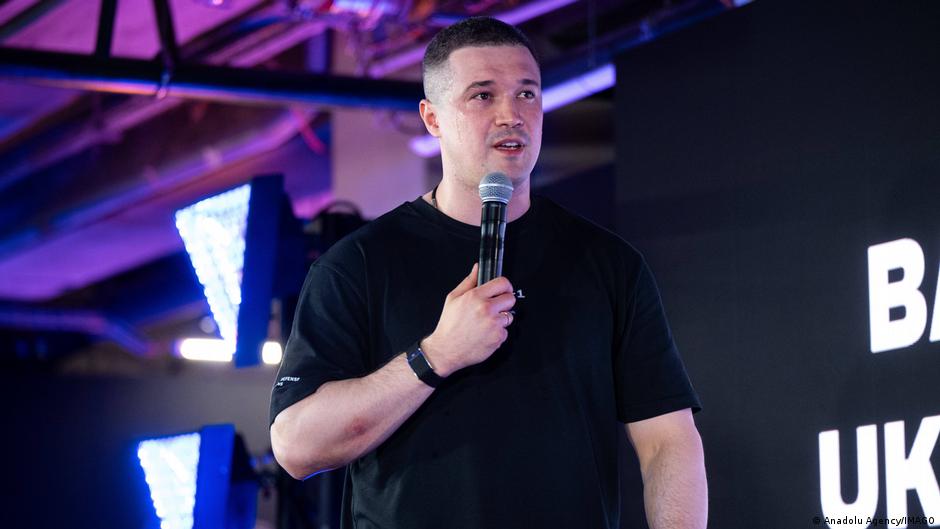
Former Ukrainian Defense Minister Mykhailo Fedorov calls for holding elections despite ongoing war, emphasizing the need for lawful, secure democratic processes.

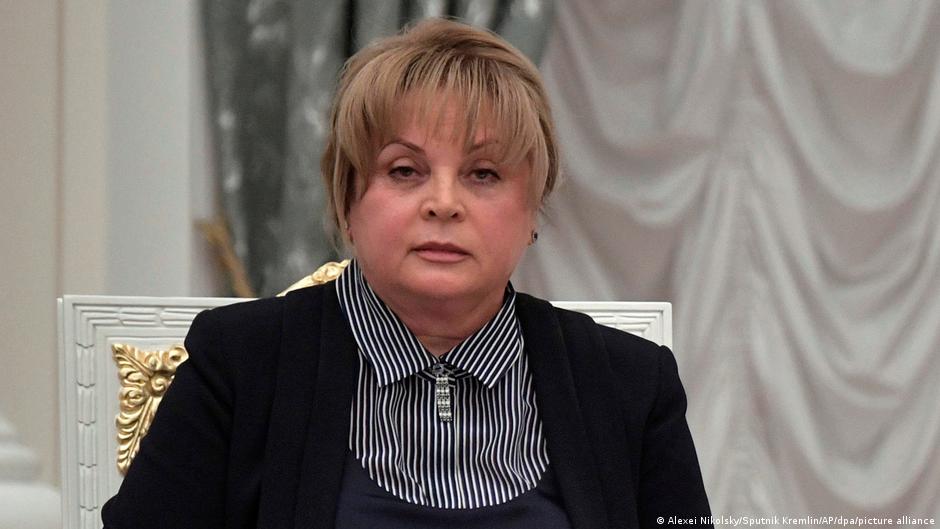
Russia’s election chief advocates stripping voting rights from emigrated citizens, signaling significant policy shifts with implications for global economic relations and diaspora engagement.

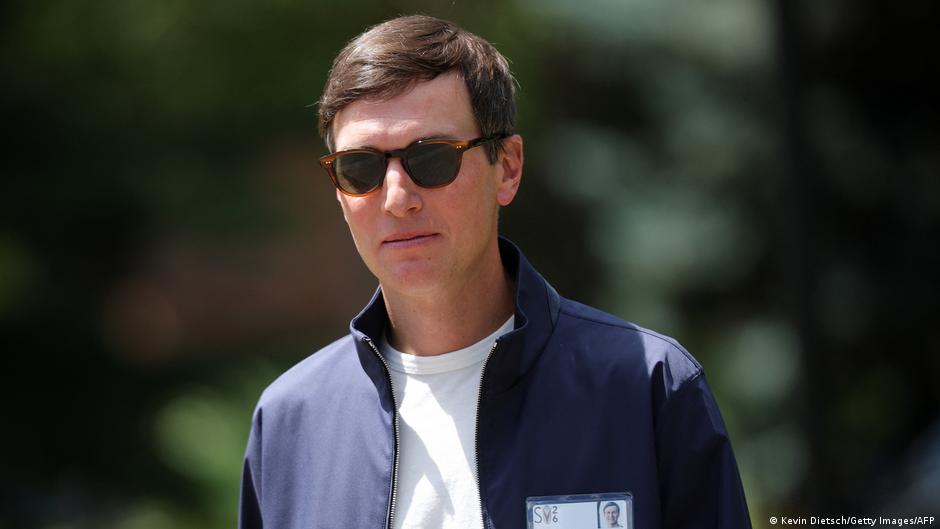
Jared Kushner's talks with Hamas in Egypt press for disarmament amid Israeli demands, highlighting pivotal shifts in Middle East diplomacy with major global economic effects.

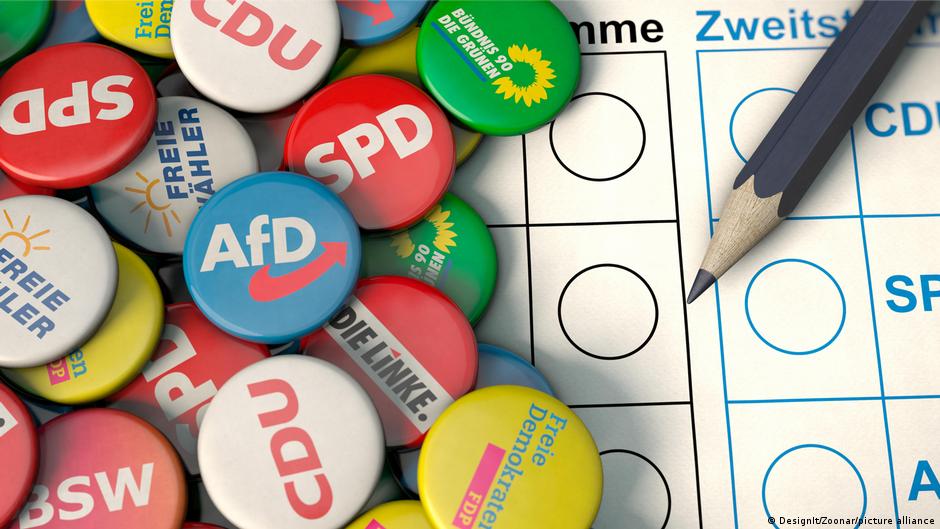
Germany’s CDU/CSU support drops to 20%, the lowest in five years, as far-right AfD leads polls ahead of key federal state elections, signaling shifting voter dynamics.

President Trump plans to declare the Strait of Hormuz US territory, signaling a permanent military presence with significant risks for global energy markets and geopolitical stability.

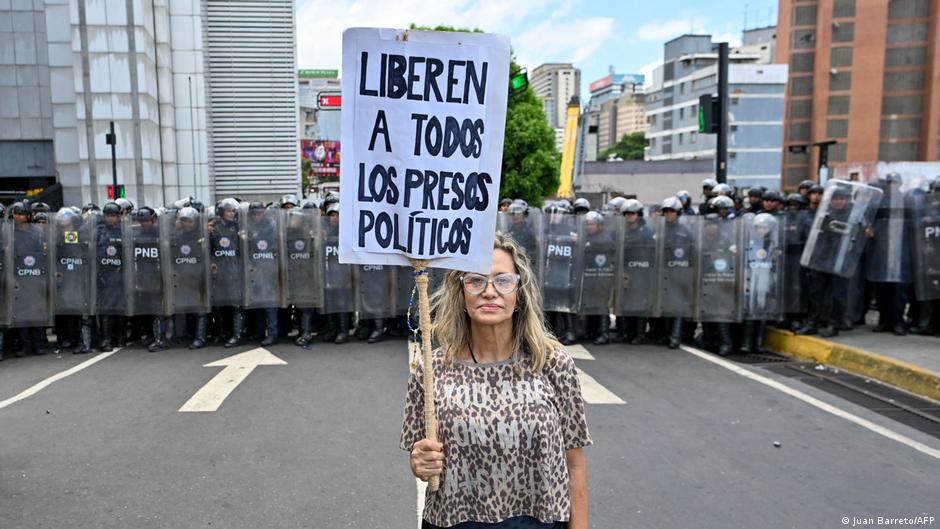
Venezuela has released 131 political prisoners following national reconciliation talks, signaling progress in judicial reform and political stabilization efforts supported by the US.

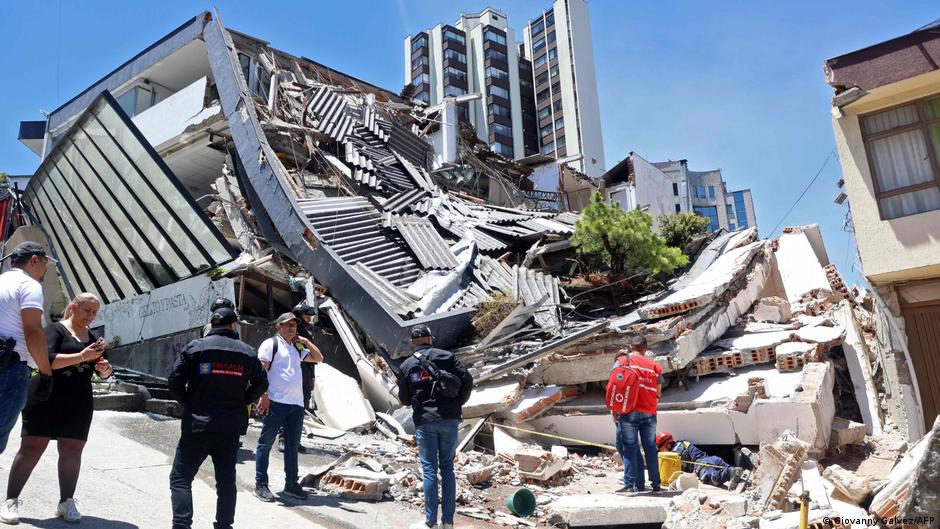
Colombia declares a national emergency after a 7.4 magnitude earthquake causes significant casualties and infrastructure damage, prompting U.S. aid and economic challenges for the new administration.

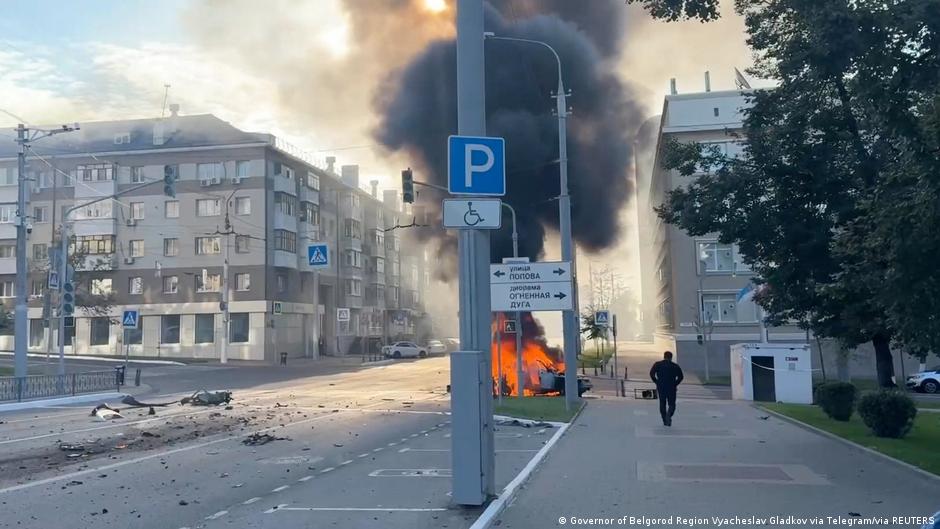
Drone attacks on the Russian border city Belgorod caused injuries and significant damage to residential and energy infrastructure, raising concerns about regional stability and economic impacts.

Russia's designation of the American Human Rights Foundation as 'undesirable' reflects growing geopolitical tensions and signals potential risks for international economic engagement.

Russian banks lose international security certificates causing websites to be flagged as unsafe in global browsers, highlighting digital decoupling amid sanctions.

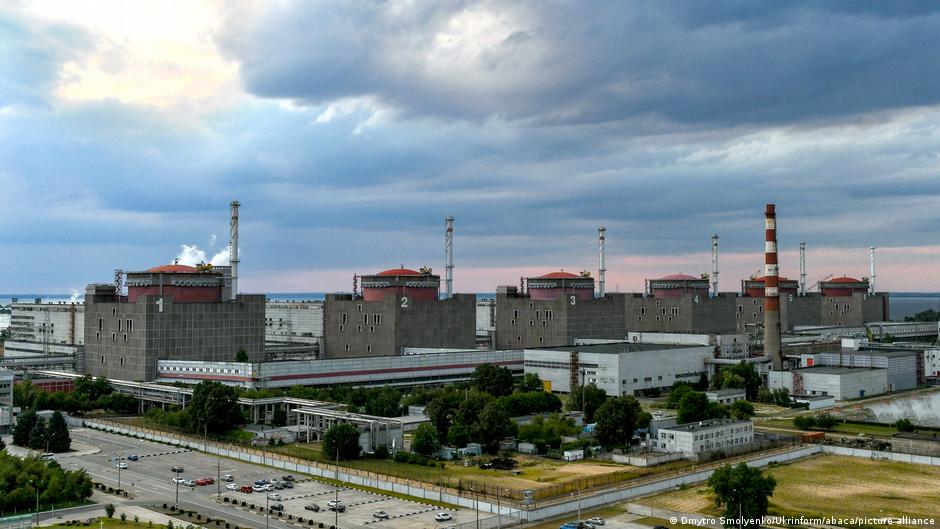
The Zaporizhzhia nuclear plant in Ukraine lost external power for the 23rd time since the Russian invasion, raising serious safety and regional energy security concerns.

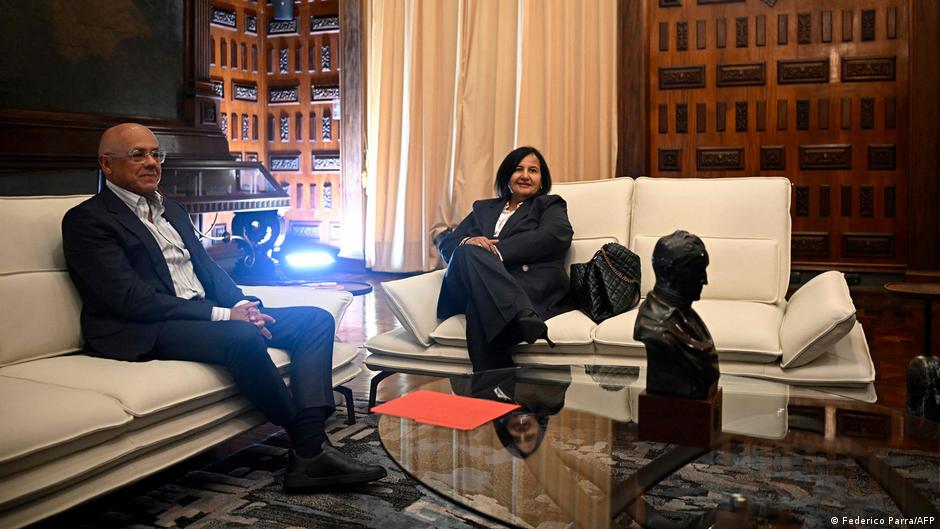
Venezuela's government and opposition plan direct talks in Caracas to address earthquake relief and set democratic reforms and election timelines.

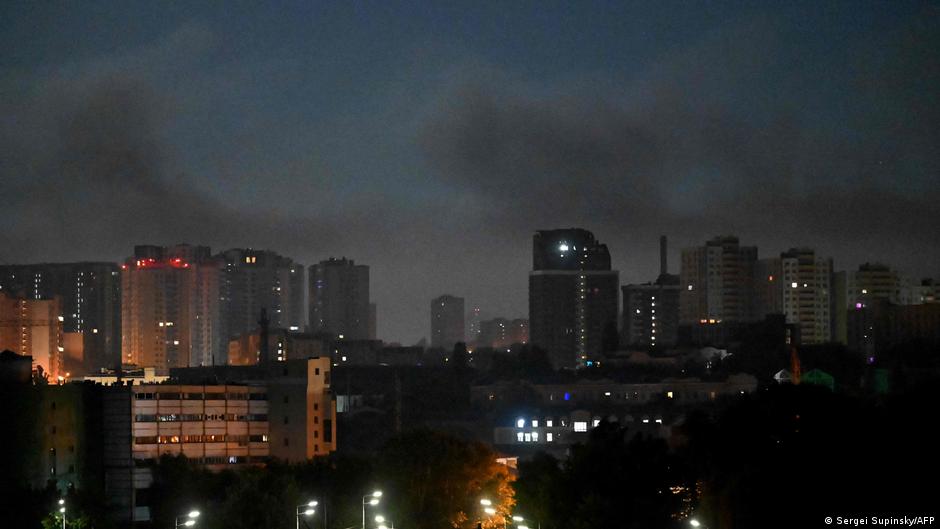
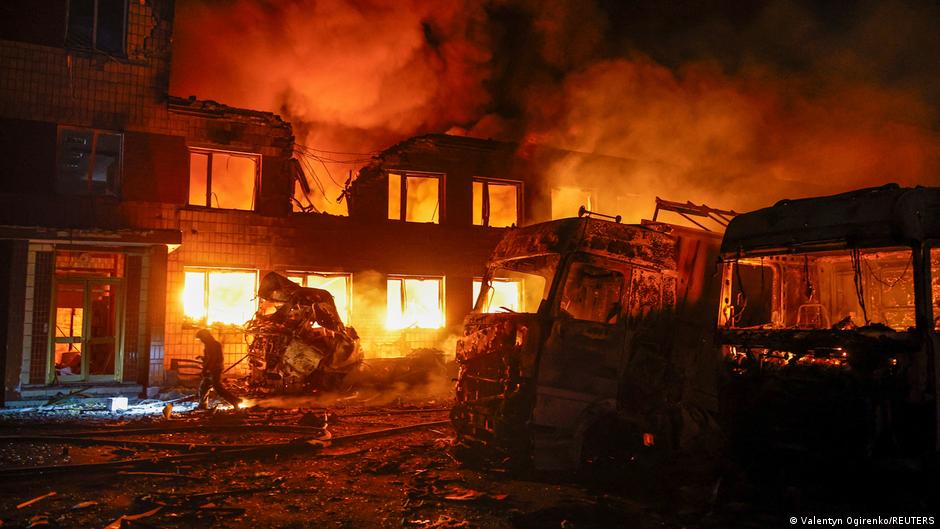
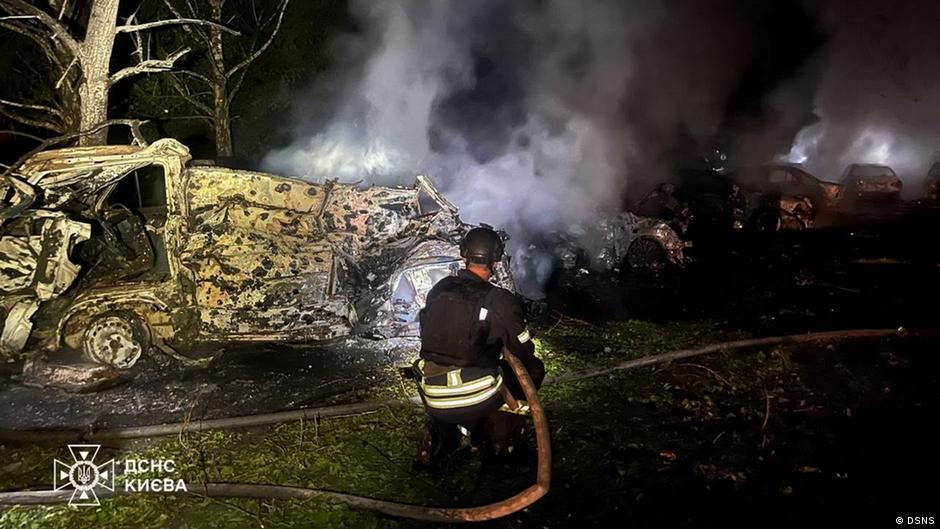
Russian ballistic missile strikes on Kyiv kill at least nine, injure over twenty, and cause widespread damage, raising concerns over regional stability and economic impact.
Uzbekistan launches comprehensive digital reforms including a national navigation system and unified governance platform to boost economic efficiency and IT growth.

The US brokered a phased disarmament agreement with Hamas, marking a major shift toward peace and new governance in Gaza amid ongoing regional tensions.

German Transport Minister Patrick Schnieder resigns amid political tensions; Chancellor Friedrich Merz to nominate Steffen Bilger as successor amid critical transport sector challenges.

The IMF approved a €604 million disbursement to Ukraine, recognizing its progress under the EFF program amid war, despite delays in structural reforms and revised growth forecasts.

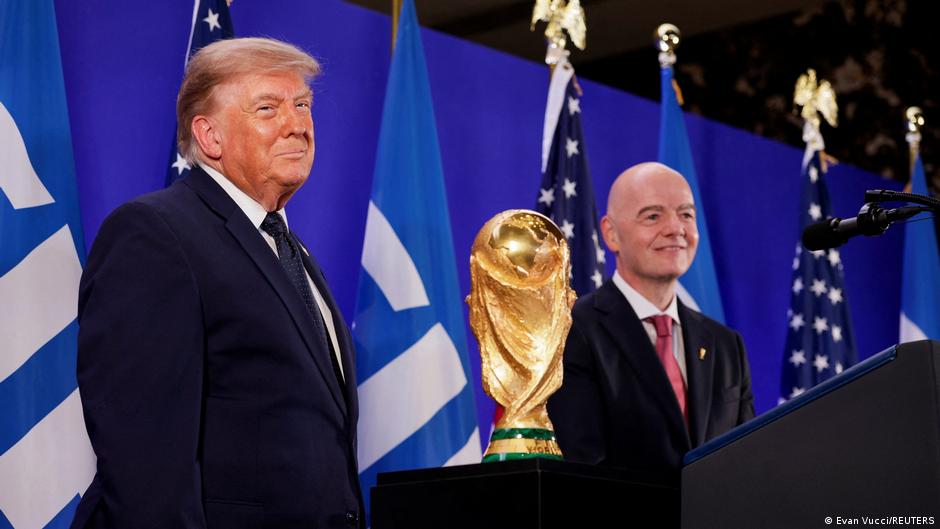
Donald Trump proposes the US host the next FIFA World Cup independently or with China, excluding Canada and Mexico, reflecting shifts in global sports diplomacy and economic strategy.

A large-scale Russian missile strike on Kyiv caused casualties and widespread urban damage, intensifying regional instability and raising global economic concerns.

Ukraine's parliament will vote on July 16 to confirm Sergey Koretsky as prime minister, initiating a major government reshuffle with significant implications for economic and defense policies.
Russian missile and drone strikes on Kyiv and Kharkiv escalate conflict, threatening Ukraine's economic stability and regional markets.

The US is advancing plans to restore an Iraq-Syria oil pipeline to bypass the Strait of Hormuz, aiming to reduce Iranian influence and diversify energy export routes amid rising Middle East tensions.

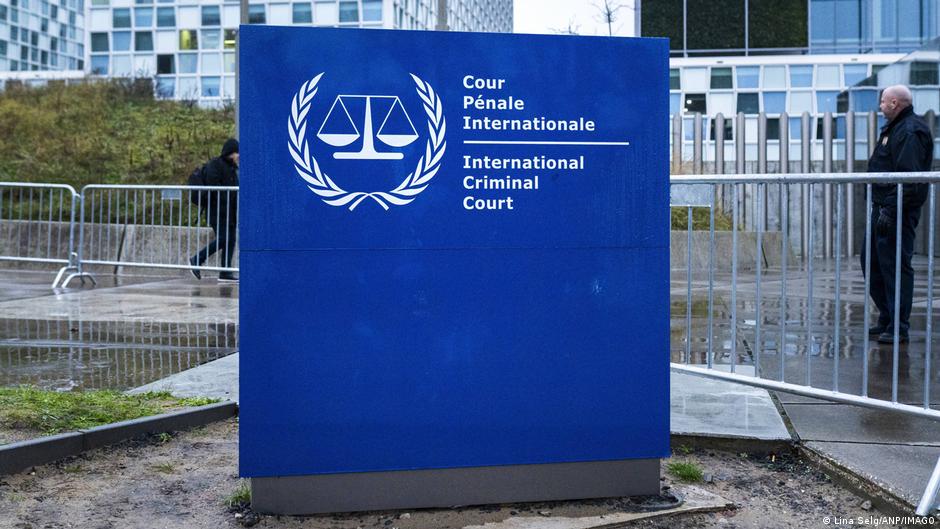
Germany defends the International Criminal Court against U.S. efforts to curtail its authority, highlighting global justice and sovereignty implications.

A UN report spotlights Uzbekistan’s success in reducing water stress through reforms, digital innovation, and international cooperation, offering a model for global water sustainability.

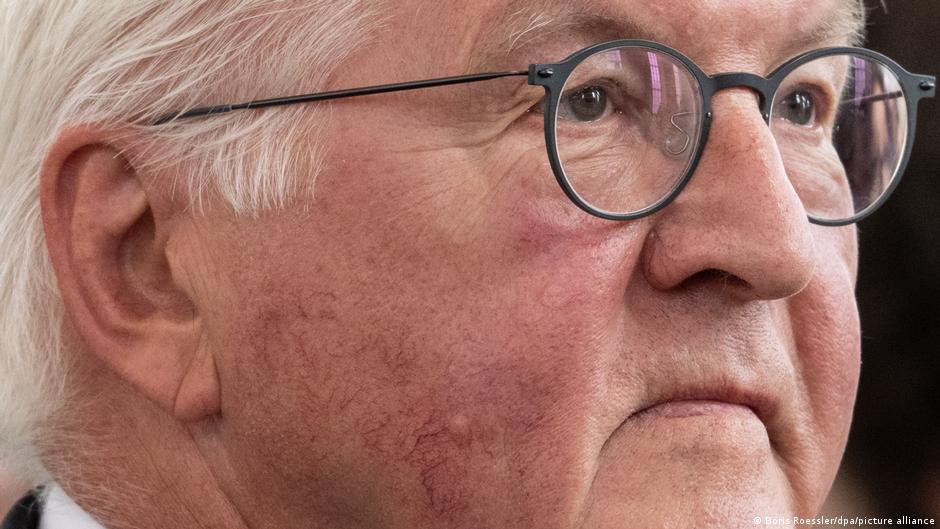
German President Steinmeier calls for Europe to uphold international law and counteract the ruthless geopolitical strategies of Russia and the US amid rising populism and reform challenges.

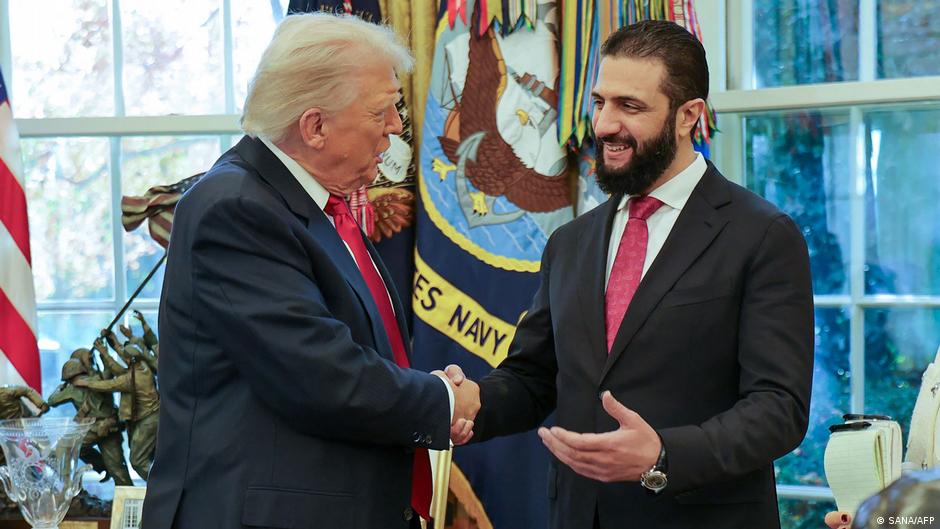
The US plans to remove Syria from the terrorism sponsors list, lifting sanctions and enabling economic reconstruction and reintegration into the global economy.

Uzbek aluminium producer AKFA Aluminium is preparing for its first international bond issuance, marking a milestone in regional capital market integration and corporate transparency.

Germany’s 2027 budget increases defense spending and borrowing amid Russian security concerns, raising questions about economic growth and fiscal sustainability.

Gazprom has contracted with Russia's Defense Ministry to form mobile units protecting gas infrastructure, reflecting heightened security concerns amid geopolitical tensions and economic risks.

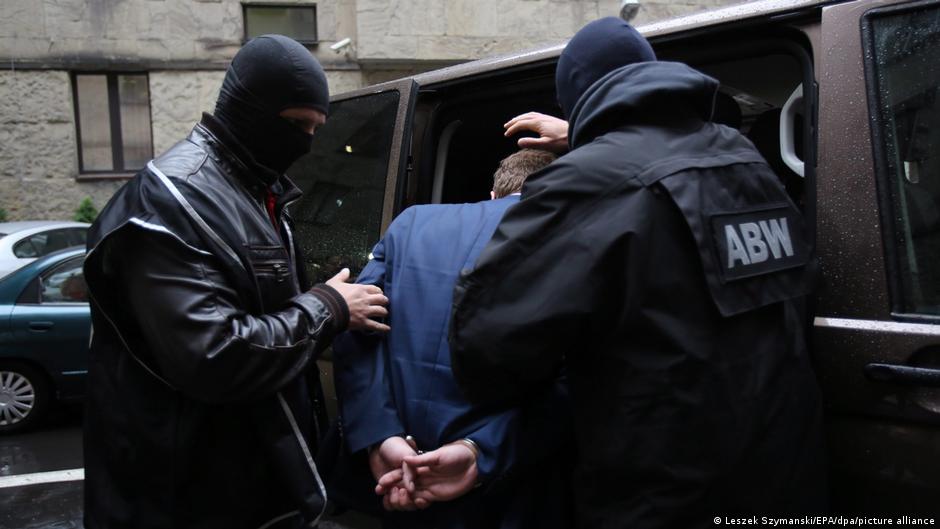
Poland expelled 11 individuals accused of organizing Russia-funded protests among Ukrainian refugees, highlighting ongoing Russian interference in European domestic affairs.

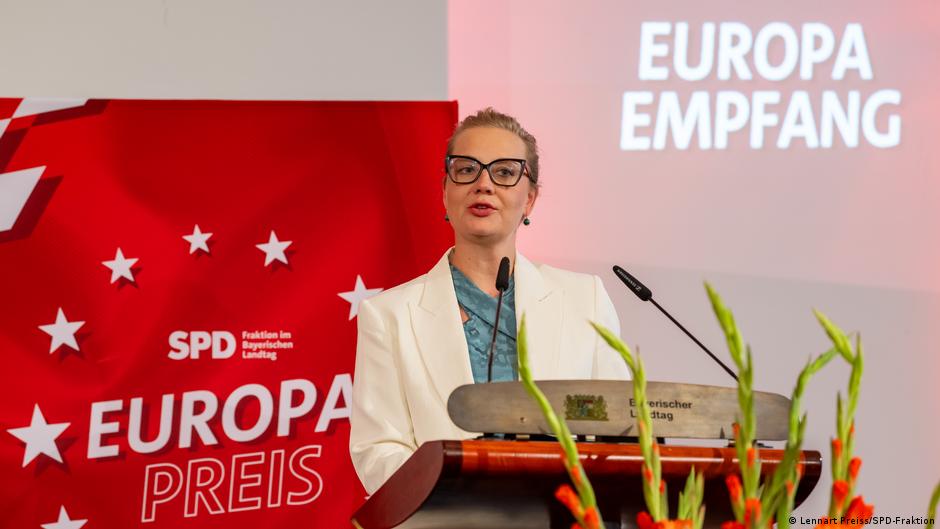
Yulia Navalnaya receives Bavaria’s European Prize for her resilient opposition to Russia’s authoritarian regime and her advocacy for human rights and democracy.

Graz, Austria’s second-largest city, reaffirms communist leadership focused on housing policies, highlighting contrasting urban and national political-economic dynamics.

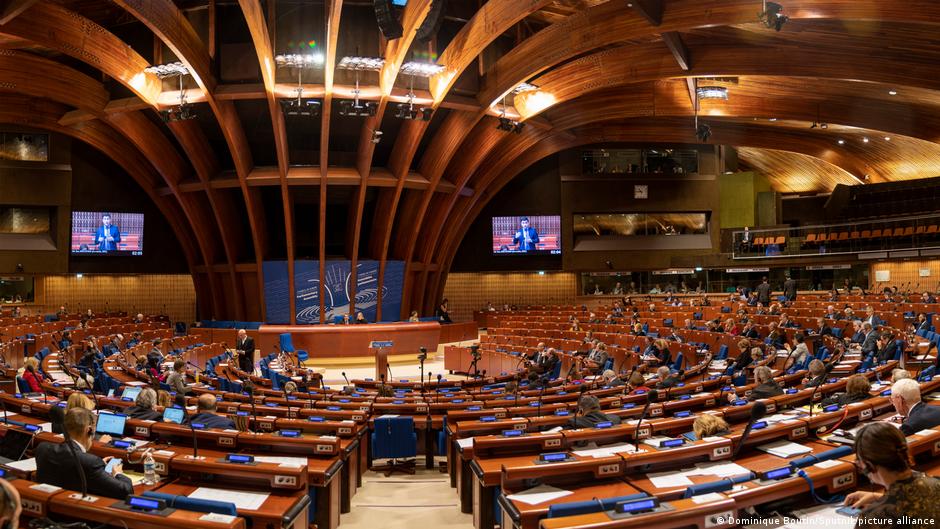
PACE adopts a resolution condemning democratic backsliding in Georgia, urging cessation of opposition repression and highlighting risks to regional stability and economic governance.

The US has imposed sanctions on five Cuban state-owned companies controlling 40% of GDP, escalating economic pressure with significant regional and global implications.

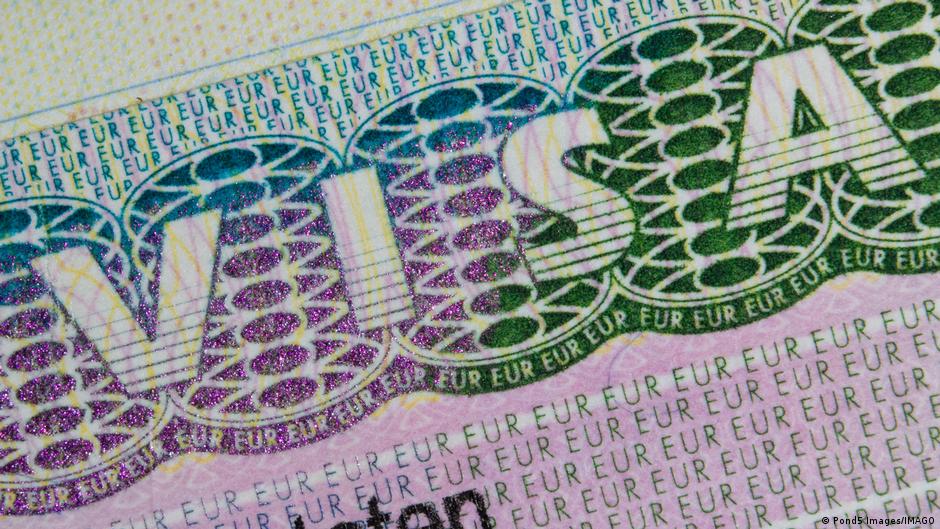
Belgium issued one-day visas to five Taliban representatives for EU talks on Afghan deportations, spotlighting the EU's complex migration and security challenges.

Right-wing businessman Abelardo de la Espriella narrowly won Colombia’s presidency, signaling a shift toward militarized security and economic deregulation with significant regional ramifications.

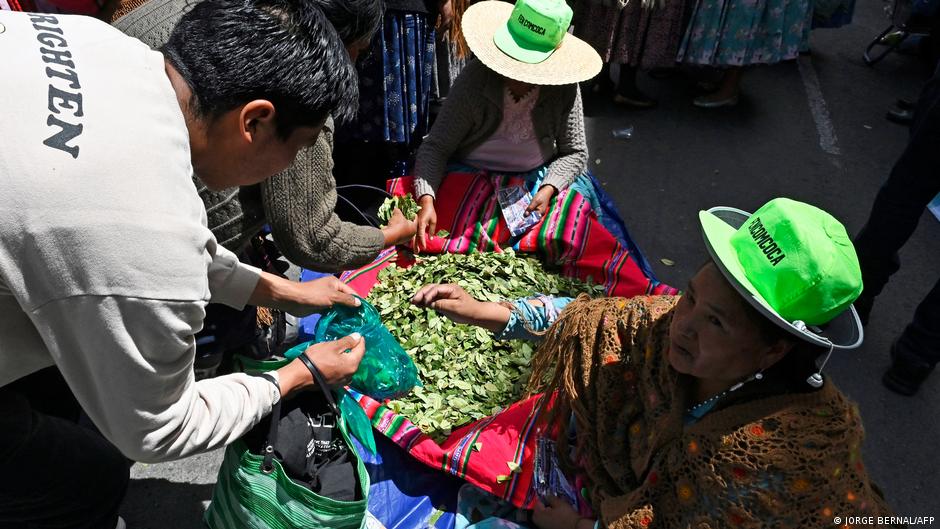
Bolivia and the US have signed their first drug control cooperation agreement in 18 years, marking a strategic shift with significant implications for global drug markets and economic policy.