US Delays EU Auto Tariff Hike Amid Ongoing Trade Agreement Disputes
President Trump postpones planned July tariff increase on European car imports, citing EU’s unmet trade commitments.
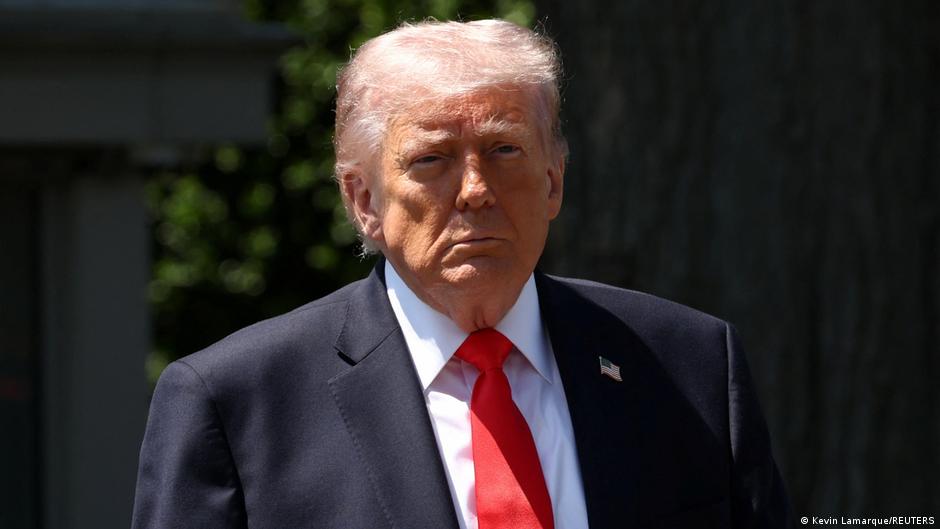
In a recent development affecting transatlantic trade dynamics, US President Donald Trump announced a delay in raising tariffs on automobiles imported from the European Union (EU) until July 4. This decision follows a "very good phone call" with European Commission President Ursula von der Leyen, signaling ongoing negotiations despite unresolved tensions over trade commitments.
Originally scheduled for early July, the tariff hike would have increased duties on EU cars to 25%, a significant jump from previous rates. The tariffs stem from a historic trade agreement signed between the US and EU in September 2025, aimed at reducing longstanding trade barriers, particularly in the automotive and industrial sectors.
Trade Agreement Terms and Current Disputes
The transatlantic agreement envisages a retroactive reduction of tariffs on European automobiles from 27.5% to 15%. In exchange, the EU agreed to eliminate tariffs on all American industrial goods and open its markets to a broad range of US exports, including seafood, dairy products, pork, and soybean oil.
President Trump has expressed frustration with what he perceives as the EU’s failure to meet its commitments under this deal. On May 1, he announced plans to increase tariffs citing non-compliance by the EU, but subsequently postponed the increase to July 4 in hopes that the EU will fulfill its obligations.
"I patiently waited for the EU to live up to its part of the historic trade agreement, but if they do not, tariffs will soar to much higher levels," Trump stated on his social platform.
European Commission President von der Leyen responded by emphasizing the EU’s commitment to the agreement and readiness for all scenarios, highlighting progress toward tariff reductions ahead of the July deadline.
Macro-Economic Implications and Policy Outlook
The delay in tariff escalation provides temporary relief for EU automakers and US consumers dependent on imported vehicles, potentially stabilizing supply chains amidst broader geopolitical uncertainties. However, the underlying disputes reflect deeper challenges in transatlantic trade relations, including differing interpretations of agreement terms and enforcement mechanisms.
For global markets, the outcome of these negotiations is significant. A full tariff increase could disrupt automotive supply chains and increase costs for manufacturers and consumers on both sides of the Atlantic. Conversely, a mutually agreed reduction in tariffs aligns with broader goals of trade liberalization, fostering cross-border investment and economic integration.
Senior policymakers should monitor these developments closely, as they may signal shifts in US trade policy and EU strategic responses in a landscape marked by rising protectionism and geopolitical rivalry. The unfolding situation underscores the importance of clear, enforceable international trade agreements and transparent diplomatic engagement to mitigate risks to global economic stability.