US-Iran Tensions Push Oil Prices Above $119 Amid Long-Term Blockade Threats
Escalating US threats against Iran have spiked oil prices and signal sustained disruption risks to global energy markets and economic stability.

Oil prices surged sharply following escalated threats from US President Donald Trump against Iran, raising concerns about prolonged supply disruptions and broader global economic consequences. On April 29, the price of a Brent crude barrel for June delivery jumped 7.1% to $119.19, briefly hitting $119.76—the highest since the early months of Russia’s invasion of Ukraine. Similarly, the US benchmark West Texas Intermediate (WTI) crude rose by approximately 7.6%, surpassing $107 per barrel.
Geopolitical Shifts Reverberate Through Energy Markets
The price surge comes amid US intentions to maintain a long-term blockade on Iran, a move aimed at restricting Tehran’s oil exports and pressuring its economy amid ongoing tensions over its nuclear program. President Trump instructed aides to prepare for a sustained blockade that would prevent Iranian vessels from entering or exiting ports, effectively tightening control over the strategically vital Strait of Hormuz. This waterway is critical, as about 20% of the world’s oil transits through it.
“Other options such as bombing Iran or withdrawing from the conflict carry greater risks than establishing a blockade,” according to US officials familiar with the discussions.
The Pentagon revealed that the US conflict with Iran has already cost approximately $25 billion, largely due to munitions expenses, underscoring the financial toll of intensifying hostilities. While Defense Secretary Pete Hegseth suggested the actual costs might be lower, the figure illustrates the substantial economic strain of ongoing military engagements.
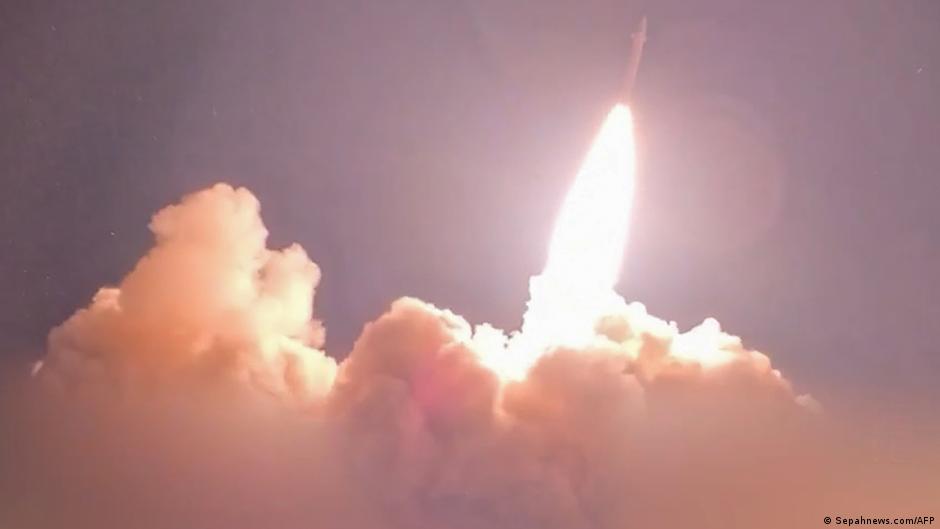
The US-Iran confrontation escalated after bombings on February 28 killed key Iranian leaders, including Supreme Leader Ayatollah Ali Khamenei, provoking retaliatory strikes on US installations in neighboring countries. These developments culminated in effective blockage of maritime navigation through the Strait of Hormuz, intensifying global fears over energy security.
Diplomatic efforts have so far failed to ease tensions. In early April, the first direct US-Iran talks occurred in Islamabad shortly after a ceasefire was agreed. However, these discussions did not yield a breakthrough. Subsequently, President Trump announced US Navy control over the Strait of Hormuz, with Tehran accusing Washington of violating the ceasefire agreement.
Long-Term Economic and Policy Implications
The immediate impact on oil prices reflects the fragile nature of global energy supplies sensitive to geopolitical conflicts. Sustained high oil prices risk fueling inflationary pressures worldwide, complicating central banks’ efforts to stabilize economic growth. For senior policymakers, the situation demands calibrated strategies balancing energy security, diplomatic engagement, and economic resilience.
The looming blockade and military escalation threaten to disrupt supply chains, increase costs for industries reliant on oil imports, and potentially trigger broader market volatility. In the long term, these tensions may accelerate shifts toward diversified energy sources and reshape geopolitical alliances focused on securing energy routes.
Given the strategic importance of the Strait of Hormuz and Iran’s role in global oil production, sustained instability could prolong elevated energy prices, challenging economic recovery efforts in multiple regions. Monitoring developments in US-Iran relations remains critical for anticipating policy shifts and economic outcomes on a global scale.