Russian Drone Strike Hits Pavlograd Residential Building, Wounding 12 Amid Regional Tensions
Russian drone attacks in Ukraine’s Dnipropetrovsk region caused civilian injuries and infrastructure damage, signaling potential escalation in conflict dynamics.
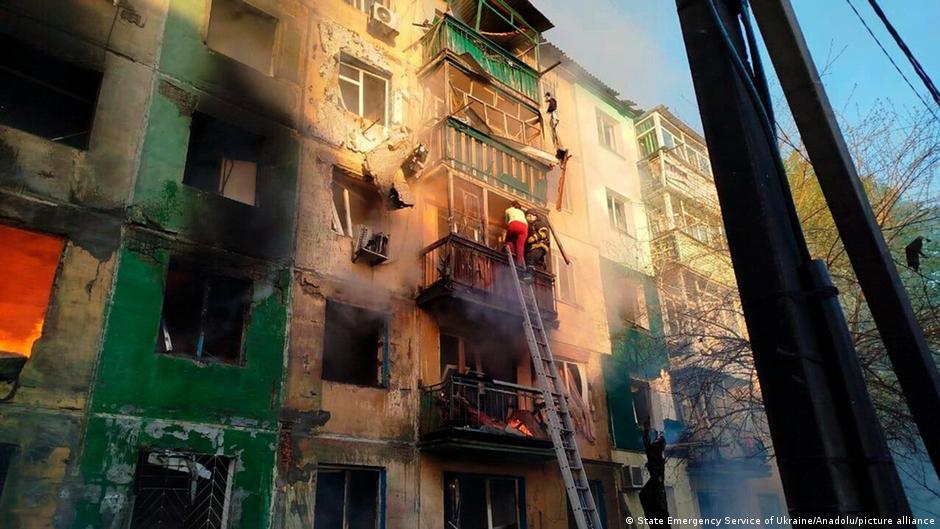
On June 10, Russian unmanned aerial vehicles (UAVs) targeted the city of Pavlograd in Ukraine's Dnipropetrovsk region, striking both industrial facilities and a multi-story residential building. This assault resulted in injuries to 12 civilians, including a 75-year-old woman in critical condition, underscoring the growing humanitarian toll amid ongoing hostilities.
Regional Impact and Infrastructure Damage
The attacks extended beyond Pavlograd, affecting the broader Dnipropetrovsk oblast. In the Kryvyi Rih district, two men sustained injuries, and damage was reported to critical infrastructure and transportation assets, complicating local logistics and emergency response efforts. Meanwhile, in the Synelnykove district, a private residence was completely destroyed due to drone strikes, though no casualties have been reported from that incident.
"The strikes demonstrate a strategic use of drone technology to disrupt civilian life and infrastructure, raising concerns about escalation and regional stability."
These targeted UAV strikes reflect a shift in warfare tactics, highlighting the increased reliance on unmanned systems to exert pressure on both military and civilian targets. For policymakers and economic strategists, the implications extend beyond immediate security concerns, as such attacks contribute to instability in a key industrial region of Ukraine. Damage to infrastructure threatens supply chains and economic activity, potentially affecting regional and international markets.
Moreover, the human cost of these events emphasizes the urgent need for diplomatic engagement and conflict de-escalation to prevent further deterioration of regional economic and social conditions. The sustained disruption risks long-term economic setbacks for Ukraine and may affect broader geopolitical dynamics, including energy security and international trade routes.
As the conflict continues to evolve, monitoring the economic repercussions of military actions such as drone strikes will be critical for senior decision-makers aiming to shape effective policy responses and support regional resilience.