US House Approves Sanctions on Russia and Aid for Ukraine Amid Geopolitical Tensions
The US House passes legislation expanding military support for Ukraine and intensifying sanctions on Russia, awaiting Senate approval amid potential veto risks.
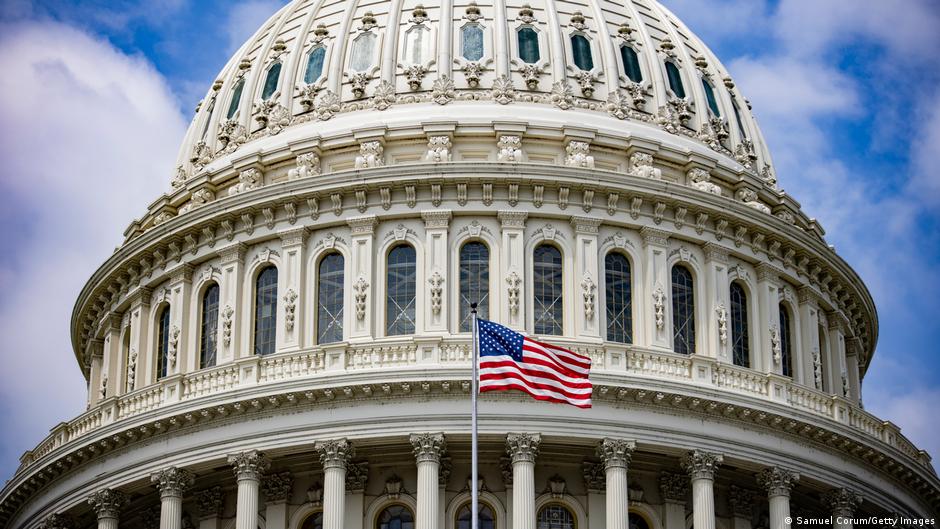
The US House of Representatives has approved a significant legislative package aimed at bolstering Ukraine's defense capabilities while intensifying economic sanctions on Russia. The bill, passed on June 5 with a vote of 226 to 195, signals continued bipartisan support for Ukraine within the US government, yet still requires Senate approval before becoming law.
Enhanced Military Aid and Sanctions Framework
The legislation, introduced in April, establishes a special fund dedicated to Ukraine's reconstruction efforts and revitalizes the president's authority to transfer defense articles to Ukraine and Eastern European countries through lending or leasing mechanisms. This approach is intended to sustain Ukraine's military resilience amid ongoing conflict.
Moreover, the bill authorizes the Pentagon to provide intelligence support to Ukraine through 2027, while the State Department is tasked with strengthening the military capacities and border security of the Baltic states. This expansion of military cooperation underscores a broader US strategy to reinforce Eastern European allies, reflecting heightened security concerns in the region.
On the sanctions front, the bill grants the US president enhanced powers to impose additional sanctions, freeze assets of Russian individuals and entities, and implement new export controls and tariffs. These measures aim to further restrict Russia's economic capabilities and limit its ability to sustain military operations.
"This legislation marks an important step forward and demonstrates sustained bipartisan support for Ukraine," remarked Ukraine's ambassador to the US, highlighting the strategic significance of the House vote.
Geopolitical Implications and Policy Challenges
The bill also fosters deeper cooperation with European allies, including increased weapons shipments, military training, and intelligence-sharing coordination. These efforts reflect a strategic alignment designed to present a unified front against Russian aggression and to enhance regional security architectures.
However, the path to enactment faces challenges. The Senate's approval remains uncertain, given divisions within the chamber where some Republican senators advocate for scaling back foreign aid expenditures. Furthermore, former President Donald Trump, poised for a potential return to the White House in 2025, has historically slowed aid delivery to Ukraine and emphasized retaining executive control over sanction powers, raising the prospect of a presidential veto that could stall or reshape US policy.
From a macroeconomic perspective, these developments signify a continuation and possible intensification of US-led efforts to isolate Russia economically, with likely ripple effects on global markets. The expanded sanctions and military support may contribute to sustained geopolitical tensions, influencing energy markets, global supply chains, and investment flows, particularly in Europe and emerging economies closely tied to the Russian economy.
Policy-makers and global economic stakeholders should monitor the legislative process closely, as the final shape of US support and sanctions will have enduring implications for international economic stability and security dynamics.