Finland Seizes €3.7 Million in Russian Assets Following Naftogaz Arbitration Award
Finnish authorities confiscate Russian funds to enforce Ukraine's Naftogaz $5 billion arbitration claim amid growing international asset seizures.
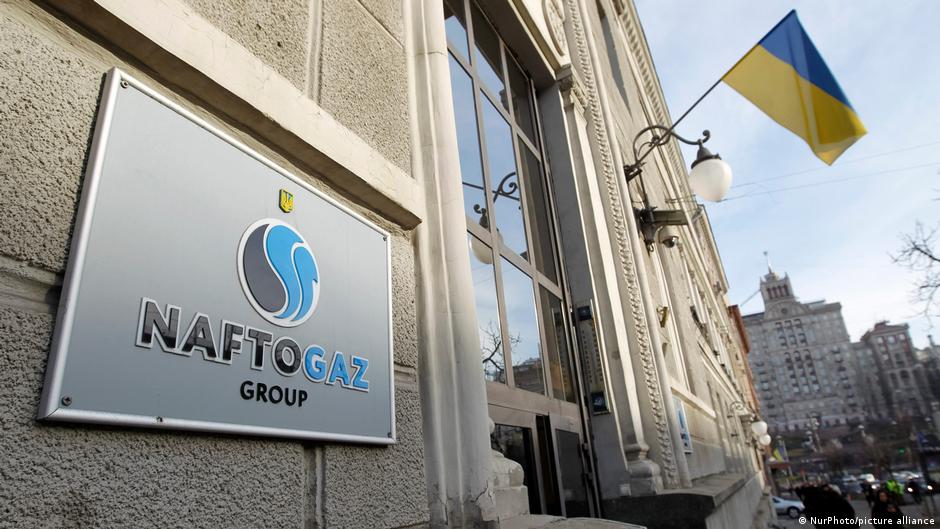
In a move with significant geopolitical and economic ramifications, Finnish authorities have confiscated Russian assets totaling €3.7 million in early 2026. This action aligns with enforcement efforts related to a 2023 arbitration ruling awarding Ukraine's state energy company, Naftogaz, $5 billion for Russian seizure of its assets in annexed Crimea.
The funds seized by Finland were originally allocated by Russia to a cross-border cooperation program with the European Union aimed at fostering economic development in regions adjacent to the Finnish-Russian border. However, following Russia’s invasion of Ukraine in 2022, this program was terminated, and the money remained within Finland.
Legal and Economic Implications of Cross-Border Asset Seizures
Naftogaz and its subsidiaries are actively pursuing enforcement of the arbitration award across multiple jurisdictions after Russia declined to comply. Finland’s confiscation is part of a broader strategy by Ukraine to leverage international legal mechanisms to recover billions in claims linked to Crimea, which Russia annexed in 2014.
"Naftogaz's pursuit of Russian assets abroad underscores the increasing use of judicial and enforcement measures as instruments of geopolitical economic pressure," said one legal analyst familiar with the case.
Previously, Finnish authorities have frozen more than €40 million worth of Russian assets on Naftogaz's behalf. These seizures have targeted numerous properties, including real estate holdings such as the Russian Science and Culture Center’s land and buildings, which were confiscated in 2023.
From a macroeconomic perspective, these asset seizures represent a shift in how international economic sanctions and legal judgments are enforced in the context of geopolitical conflicts. They highlight the growing role of third-party states in exerting economic pressure on Russia, increasing the risks for Russian state and quasi-state assets held abroad.
Russia has repeatedly rejected the jurisdiction of the Hague arbitration court over these disputes and has condemned Finnish enforcement actions as unlawful, threatening retaliatory measures against Helsinki. This tit-for-tat escalation adds complexity to the legal and diplomatic landscape, potentially impacting Finland’s economic relations with Russia.
For senior decision-makers, these developments signal an intensification of economic statecraft where legal rulings serve as instruments to undermine adversary economic interests. The broader implications suggest a continuing trend of cross-border legal enforcement becoming a key battlefield in geopolitical conflicts, with consequences for international investment security and cross-border cooperation projects.
As Finland and other countries increasingly adopt such measures, policymakers should anticipate a more fragmented international investment environment and prepare for the long-term economic consequences of protracted geopolitical legal disputes.