EU Rejects Ukraine Request to Accelerate €90 Billion Loan Disbursement
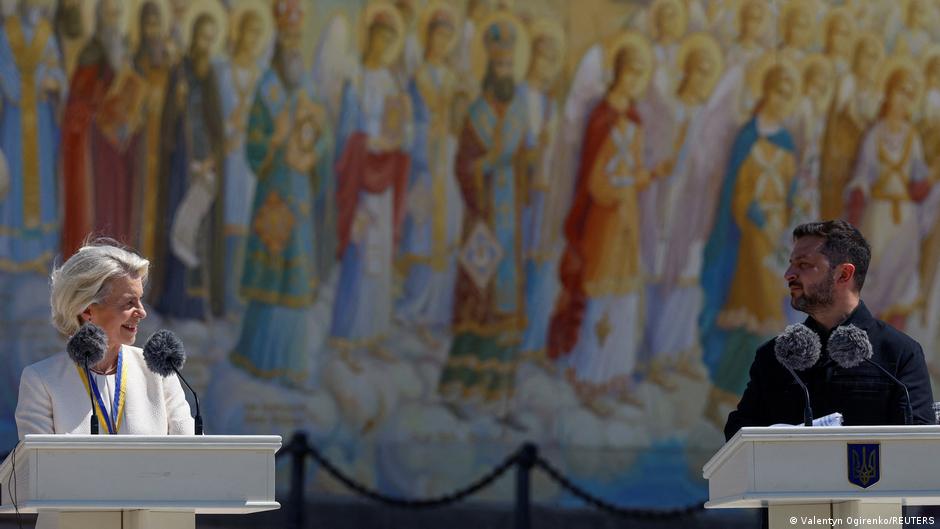
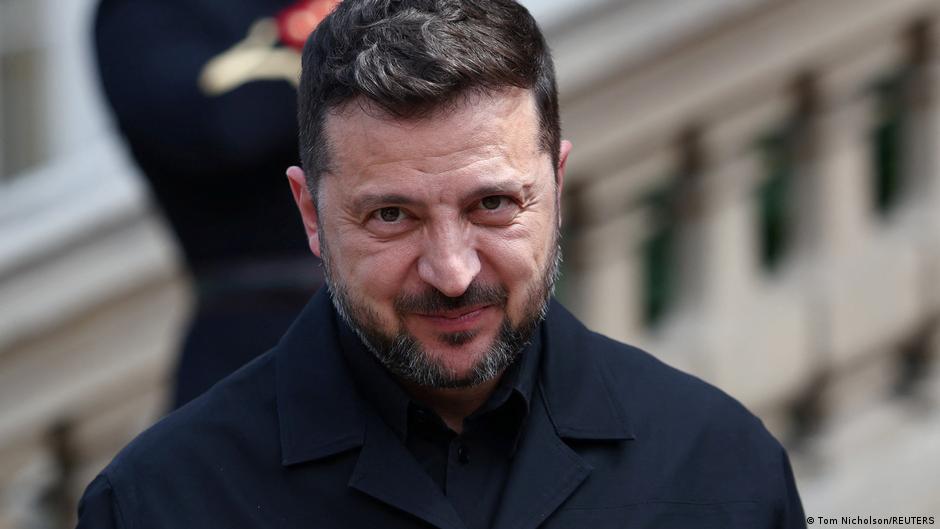
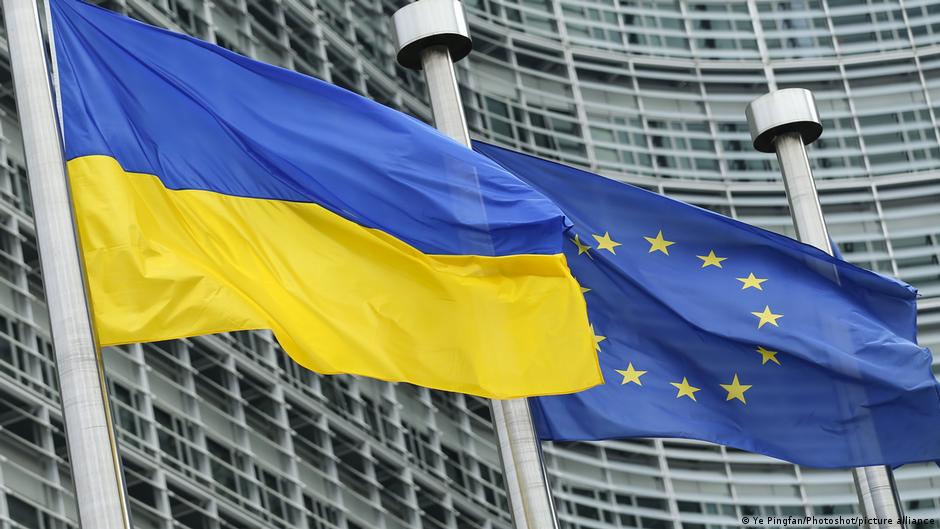
The EU declined to accelerate part of a €90 billion Ukraine loan, seeking wider partner support and reforms as Kyiv faces large funding gaps.

The EU declined to accelerate part of a €90 billion Ukraine loan, seeking wider partner support and reforms as Kyiv faces large funding gaps.

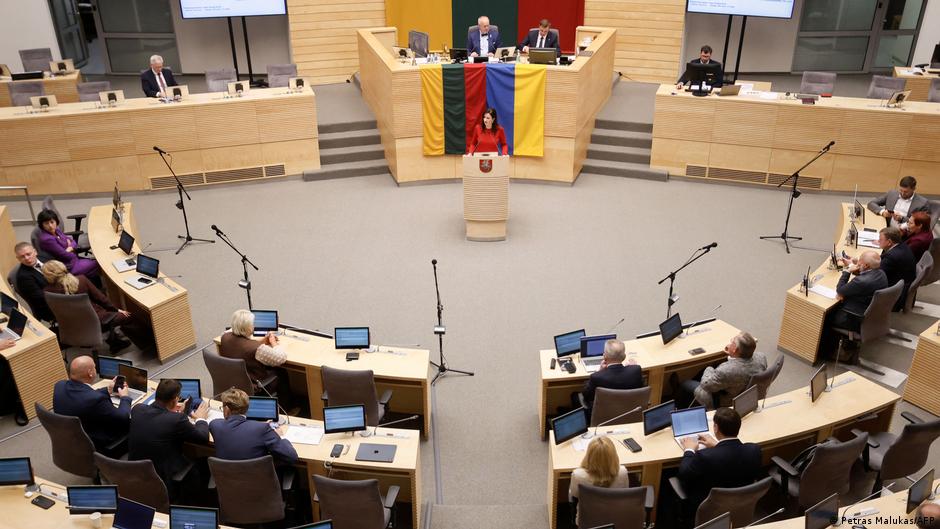
Lithuania’s planned property curbs signal how security policy is reshaping real estate, residency and foreign capital rules in Europe’s east.

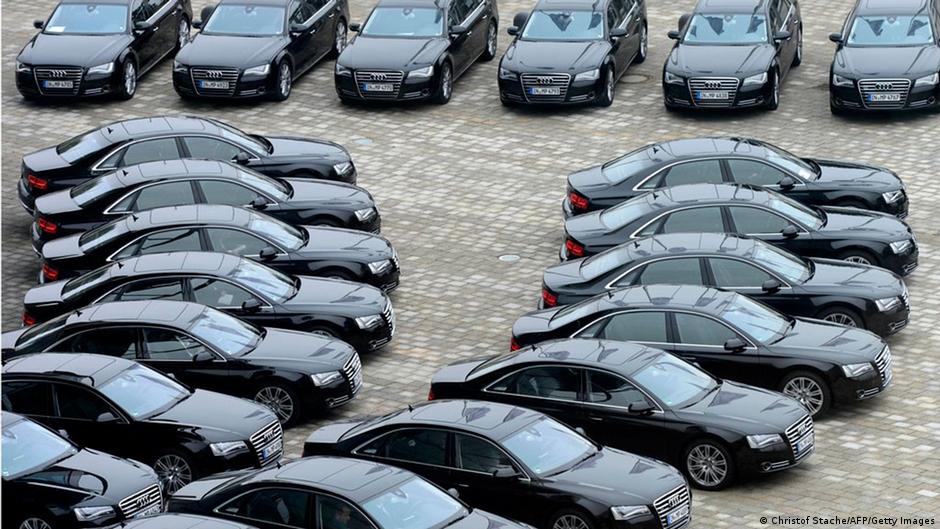
Raids in Germany and Austria over alleged vehicle exports to Russia expose persistent loopholes in EU sanctions enforcement.

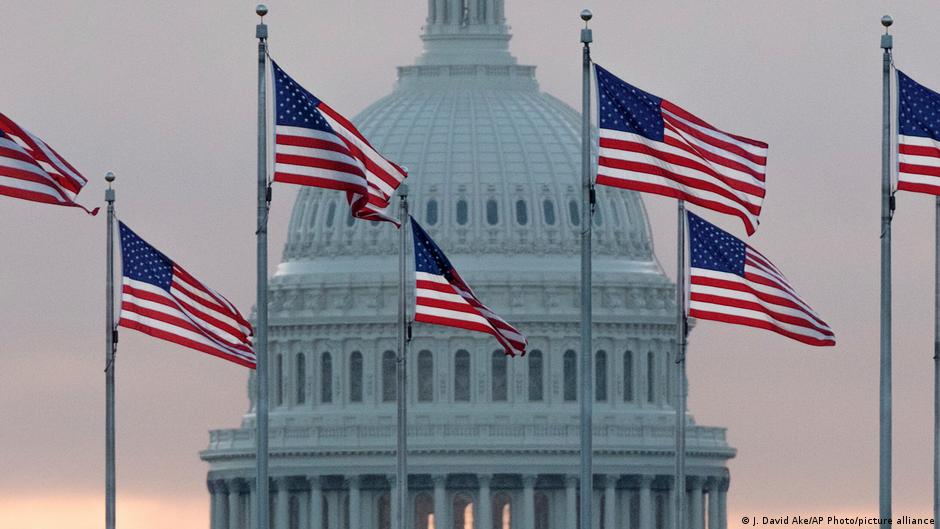
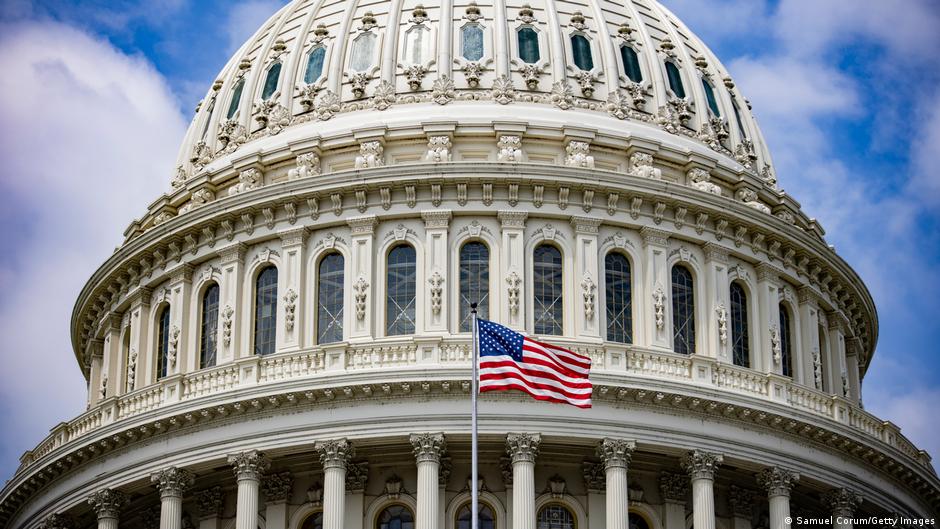
Trump signed the Graham sanctions law, giving the U.S. broad tariff powers over major buyers of Russian energy and sanctions evasion networks.

The House opened debate on a bill allowing 100% tariffs on major Russian energy buyers, raising stakes for energy markets and U.S. policy.

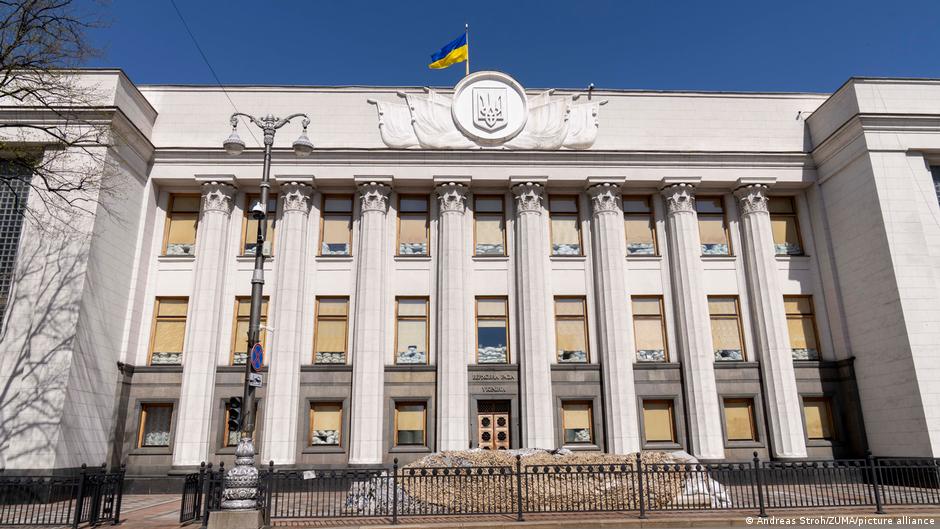
Ukraine’s parliament will consider seven difficult bills tied to Western financing as Kyiv seeks to close a major defense budget gap.

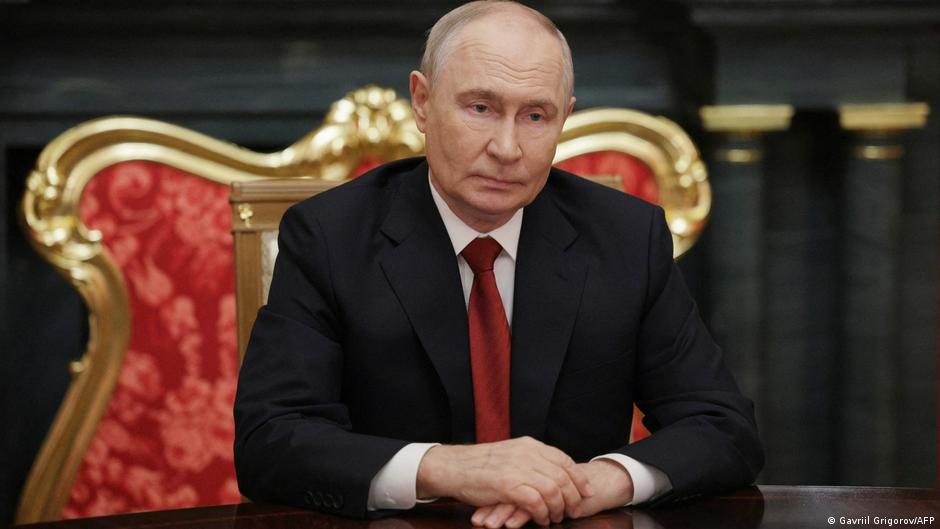
Putin backed using citizens deemed fully unfit for military service in rear-area drone defense, highlighting Russia’s manpower strain.

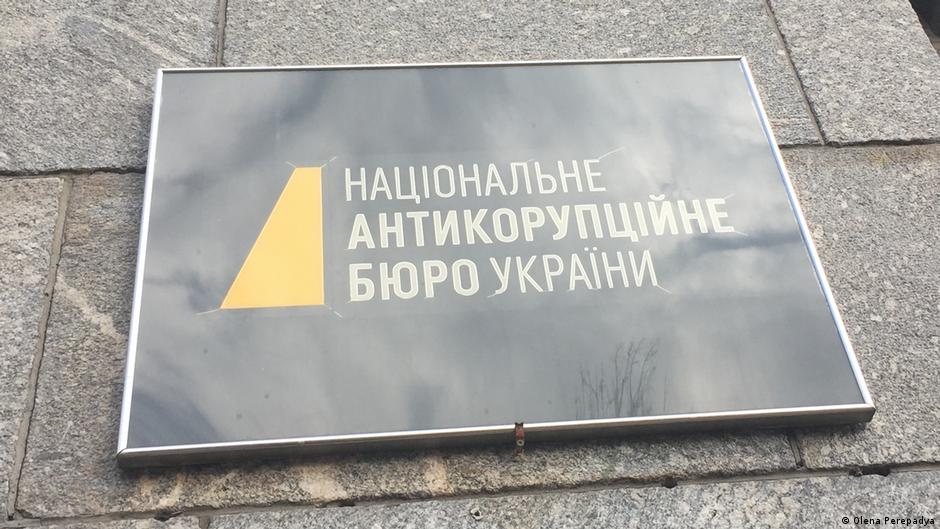
Ukraine’s anti-corruption agencies searched the Prosecutor General’s Office in a probe tied to fraudulent call centers and alleged official protection.

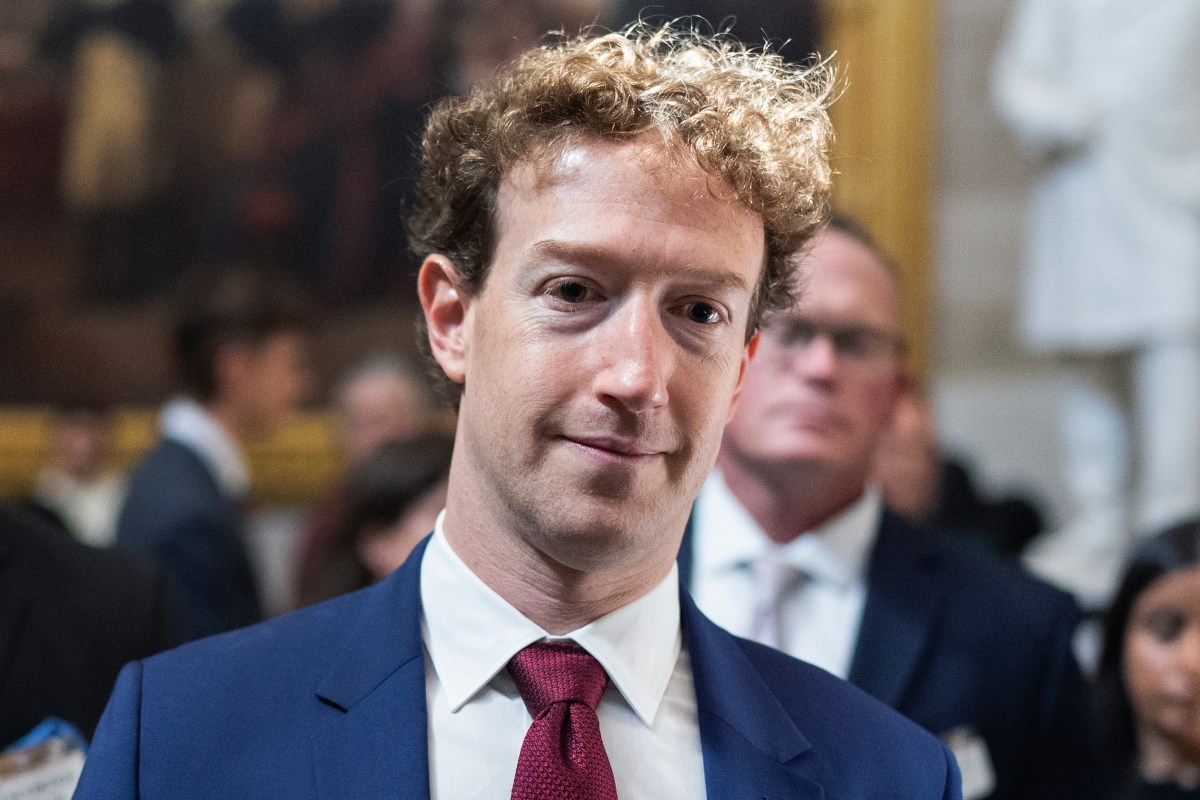
Meta’s $18 billion child safety settlement highlights challenges in implementing age-verification technology amid growing privacy concerns and regulatory shifts.

Several hundred Ukrainian soldiers have deserted military training programs in Germany since 2022, revealing new security and policy challenges for European defense cooperation.

The EU and Ukraine welcome new US sanctions targeting Russia's energy sector and officials, highlighting coordinated Western efforts amid shifting global economic dynamics.

NATO is contemplating deployment of tactical nuclear weapons in Finland, Poland, and Lithuania, marking a strategic shift amid rising security tensions with Russia.

The U.S. Senate moves to impose steep tariffs on Russia and allies, advancing bipartisan sanctions legislation with long-term geopolitical impact.

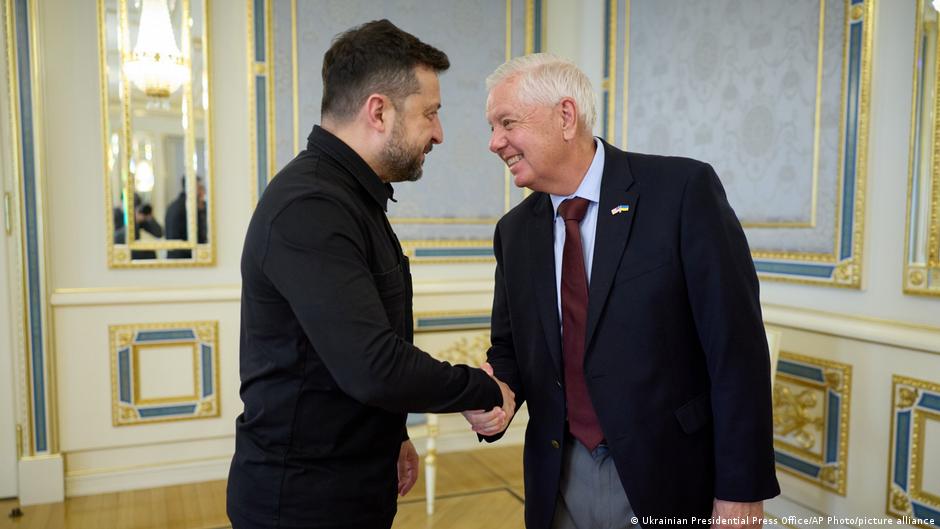
President Zelensky visits Washington to meet all U.S. Senators as the Senate prepares to vote on new sanctions against Russia amid ongoing geopolitical and economic tensions.
Montenegro will end visa-free travel for Russian and Belarusian citizens by October 31, 2026, aligning its policy with EU accession requirements and security considerations.

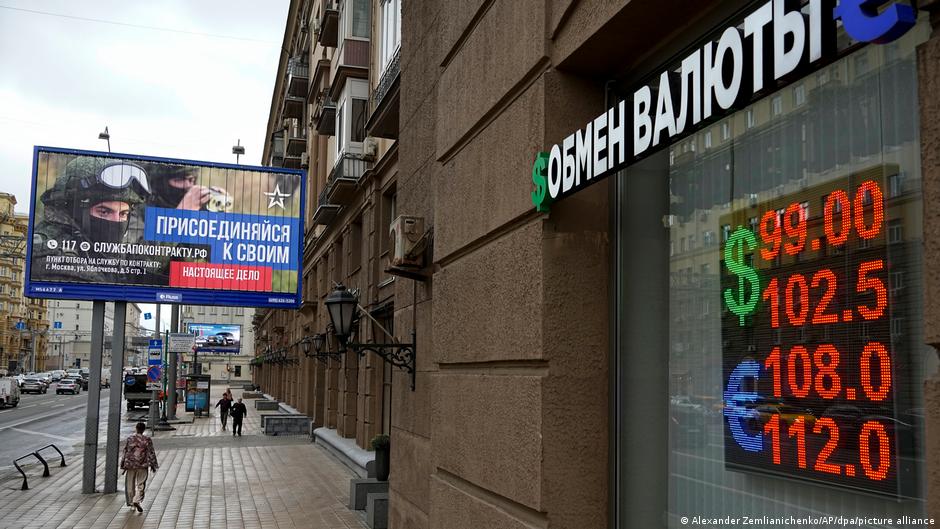
The Russian government proposes expanding criminal convictions eligible for military contracts amid mobilization, signaling deeper labor and defense challenges during ongoing conflict.

Russia plans to end mandatory medical exams for contract soldiers, revealing recruitment challenges amid the ongoing Ukraine conflict.

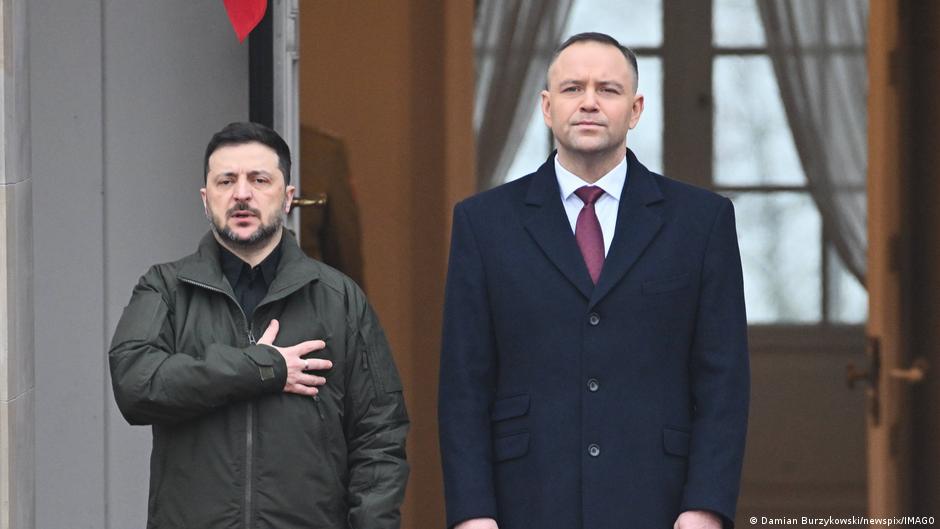
Ukraine’s Zelensky proposes a National Pantheon and new European Order amid diplomatic tensions with Poland, reflecting complex dynamics in national identity and EU integration.

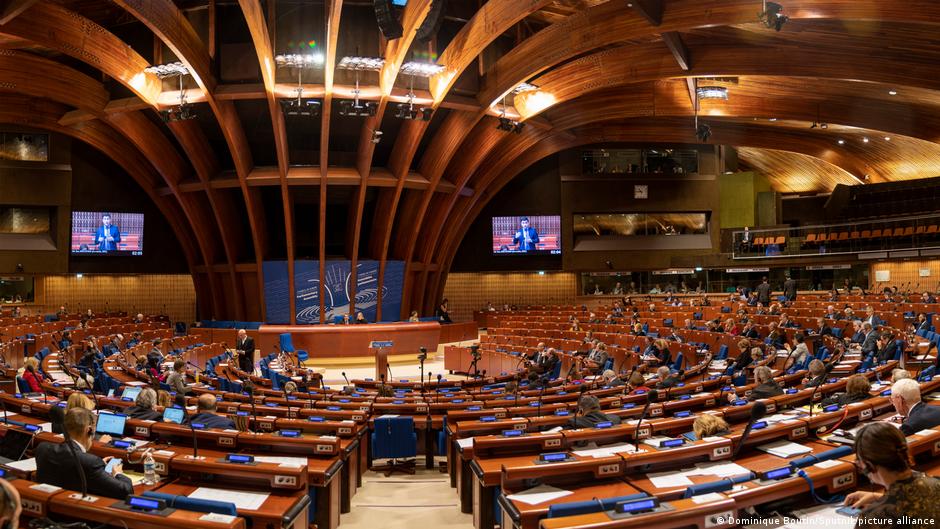
PACE adopts a resolution condemning democratic backsliding in Georgia, urging cessation of opposition repression and highlighting risks to regional stability and economic governance.

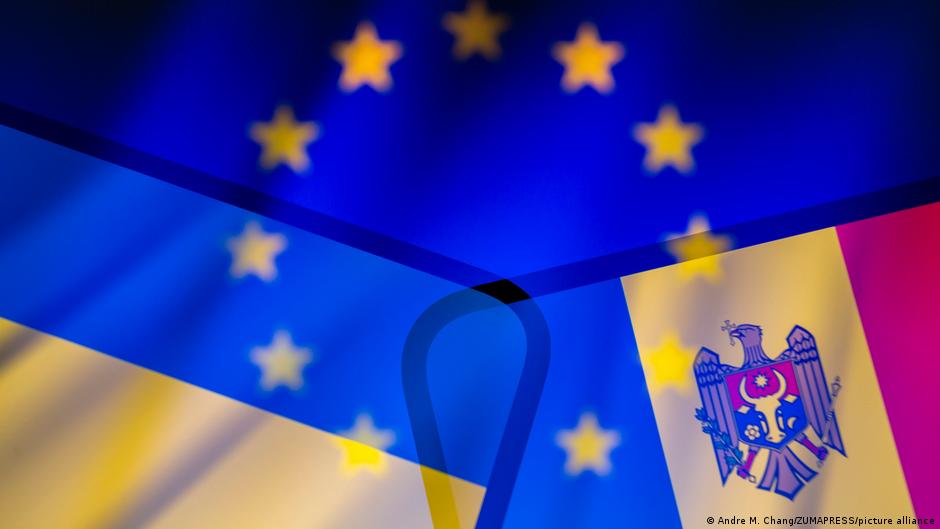
The EU has initiated the first negotiation cluster with Ukraine and Moldova, moving from preparation to detailed talks on future membership conditions and reforms.

The U.S. House approved $70 billion funding for immigration enforcement agencies, reflecting critical policy shifts with significant global economic and geopolitical implications.

The US House passes a bill expanding military aid to Ukraine and sanctions on Russia, pending Senate approval amidst political divisions and potential presidential veto.

The EU plans legislation to restrict US tech giants like Microsoft and Google from government cloud service contracts, aiming to enhance technological sovereignty and reduce data dependency.

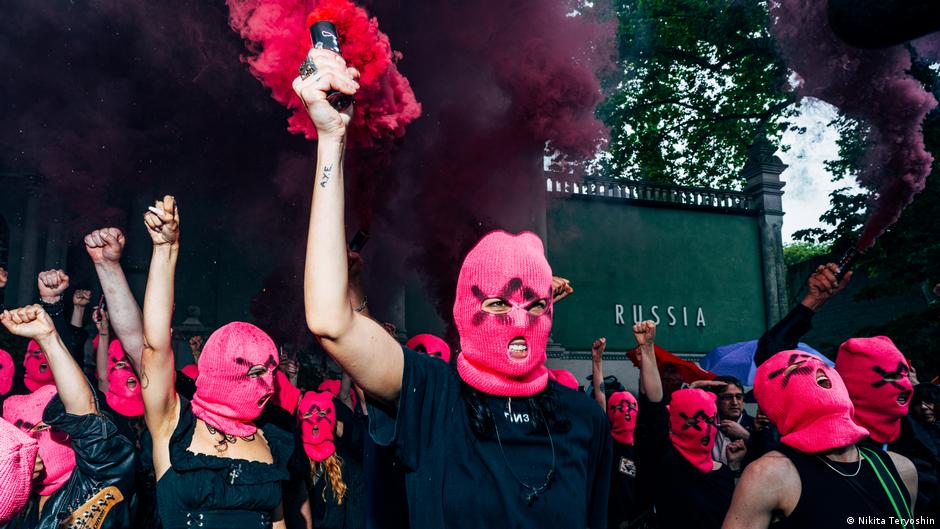
Activists protested at the Russian pavilion of Venice Biennale demanding representation of political prisoners, igniting debate on cultural diplomacy amid geopolitical conflict.

The EU may suspend €1.5 billion in funding to Serbia amid concerns over democratic backsliding and judicial independence, challenging the country's EU accession path.

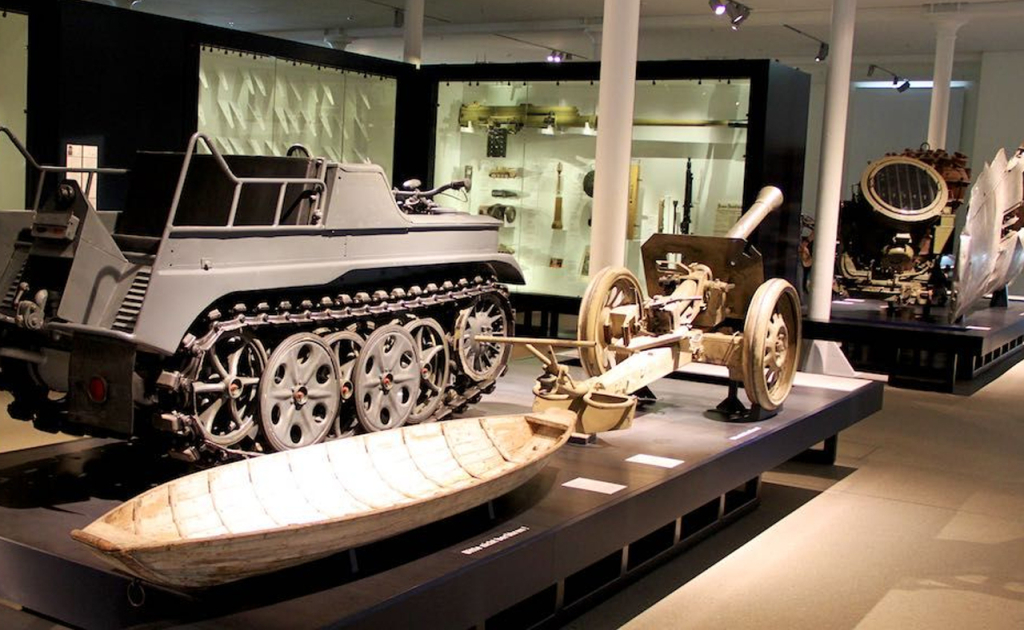
Germany has restricted access to its Bundeswehr Military Technology Museum in Koblenz for Uzbek and other Central Asian citizens due to new security laws.