EU Launches First Negotiation Cluster for Ukraine and Moldova Accession Talks
The European Union advances from preparatory phase to substantive negotiations on Ukraine and Moldova’s future membership conditions.
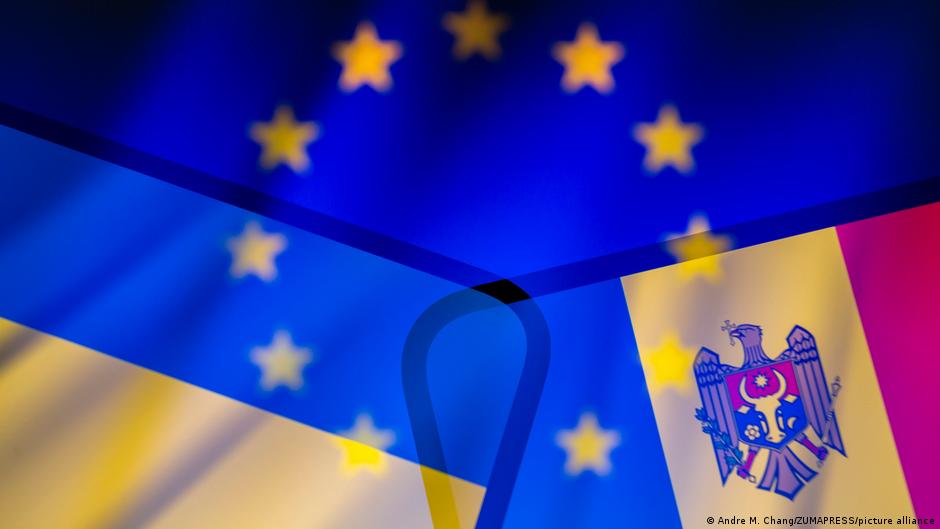
The European Union has officially initiated the first negotiation cluster concerning the accession of Ukraine and Moldova, marking a significant step forward from preliminary preparations to detailed discussions on the conditions of their future membership.
On Monday, June 15, EU foreign ministers convened in Luxembourg to formally open the first cluster of accession talks with Ukraine and Moldova. This milestone was confirmed by diplomats from the Republic of Cyprus, which currently holds the rotating presidency of the EU Council.
“We have all awaited this day for a long time, and today we can finally celebrate,” said Marilena Rauna, Cyprus’s Deputy Minister for European Affairs. “The future of Ukraine and its citizens is firmly linked to the European Union.”
Structured Negotiations Signal Deeper Integration Steps
The accession talks are organized into six major thematic clusters, each focusing on different sectors of legislation and state policy. This cluster system allows the EU to thoroughly assess the candidate countries’ readiness to adopt EU rules and standards across a wide range of domains.
The launch of the first cluster symbolizes a transition from the preparatory stage to substantive negotiations focused on aligning national legislation with EU norms and implementing reforms in specific areas. This process will involve rigorous scrutiny of Ukraine’s and Moldova’s legal frameworks and governance structures to ensure compliance with EU acquis communautaire.
For senior economic decision-makers and policymakers globally, this development is significant. The EU’s enlargement strategy involving Ukraine and Moldova represents not only a geopolitical recalibration but also has broad macroeconomic implications.
Integration into the EU market entails adoption of regulatory standards that can enhance trade, attract investment, and stabilize economic governance in the region. It also necessitates comprehensive reforms that may influence fiscal policies, labor markets, and competition frameworks within these countries.
Moreover, expanding the EU’s eastern borders deepens the union’s economic and political ties to a region facing ongoing geopolitical tensions, which could affect energy security, supply chain dynamics, and regional stability.
Policymakers should therefore monitor these negotiations closely as they will shape the future economic landscape of Europe and its neighborhood, with long-term consequences that extend beyond the immediate accession process.