EU and Ukraine Endorse New US Sanctions on Russia Amid Global Economic Shifts
The US Senate's approval of broad sanctions targets Russia’s energy sector and officials, signaling coordinated Western efforts to pressure Moscow.
The European Union and Ukraine have formally welcomed the US Senate's recent enactment of a comprehensive sanctions bill against Russia. Named after the late Senator Lindsey Graham, the legislation aims to significantly curtail Russia's financial capabilities to sustain its ongoing war efforts.
Coordinated Western Response to Russian Aggression
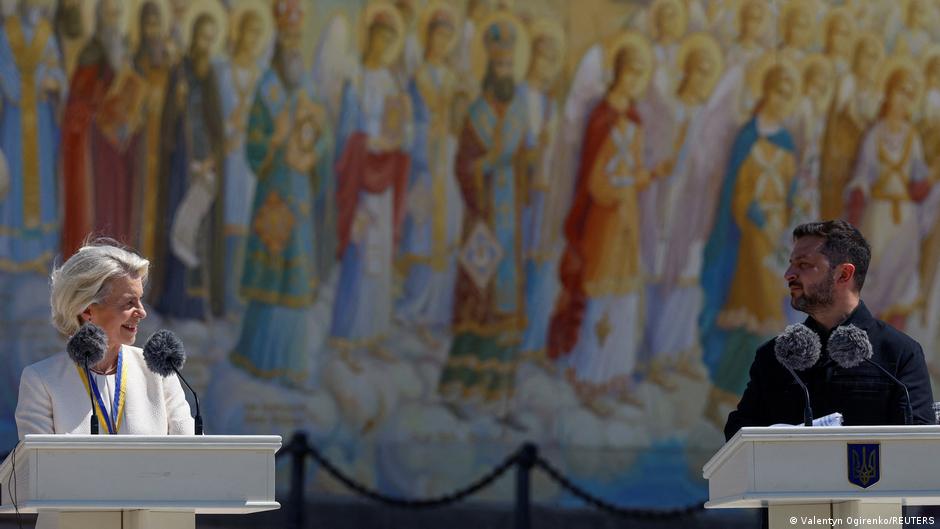
European Commission President Ursula von der Leyen expressed strong support for the Senate's decision, highlighting the alignment between EU and US policy frameworks. "With the adoption of the EU’s 21st sanctions package, I welcome the Senate’s approval of the Graham bill," von der Leyen stated on social media. She emphasized the importance of combined sanctions targeting Russian officials, banks, the energy sector, and the so-called "shadow fleet" used to bypass export restrictions.
"Together, we can deny Russia the resources to continue a war it cannot win," von der Leyen remarked, underscoring the historical partnership between Europe and the United States in confronting geopolitical challenges.
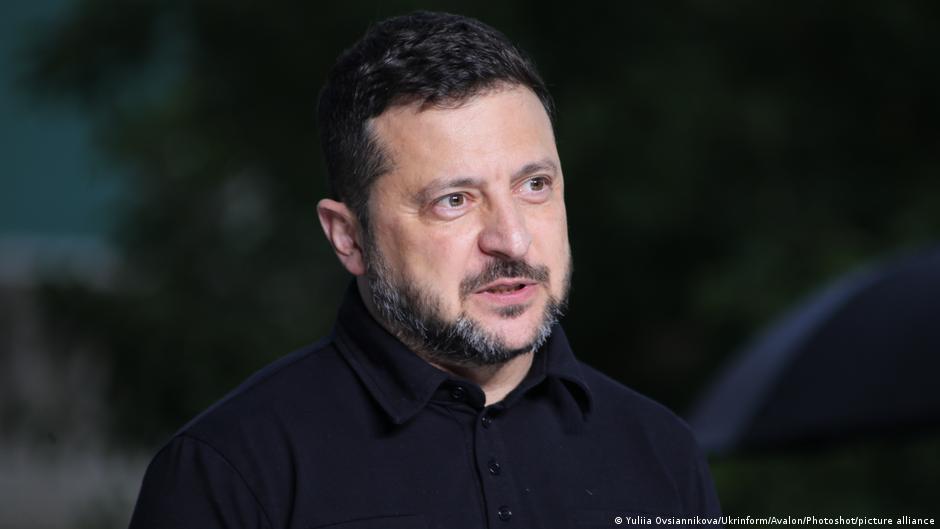
Ukrainian President Volodymyr Zelensky also extended his gratitude, noting the legislation’s role in amplifying pressure on Moscow. In a Telegram message, Zelensky affirmed that the sanctions would assist in bringing an end to Russia’s aggressive campaign against Ukrainian sovereignty.
However, Zelensky reiterated Ukraine’s urgent need for Patriot missile systems, pointing out that previous US hesitations to supply these defensive assets have hindered Kyiv’s ability to counter ballistic missile threats. He underscored that the continuation of the conflict necessitates swift and tangible support from Western allies.
Sanctions Targeting Energy Revenues and Global Trade Dynamics
The Senate voted overwhelmingly in favor of the sanctions package, with 86 supporting votes against 11 opposing. The bill imposes measures on Russian President Vladimir Putin, government officials, oligarchs, financial institutions, and entities involved in evading oil export restrictions.
Significantly, the legislation introduces provisions allowing the US President to impose tariffs of up to 100% on goods from countries that are major purchasers of Russian oil and gas, marking a potential shift in global trade relations.
Notably, the bill includes exemptions for countries importing less than 15% of their natural gas from Russia and actively reducing their dependency. This clause reflects an awareness of varying energy dependencies and attempts to balance sanctions impact with global energy security concerns.
The bill now proceeds to the House of Representatives, with voting expected after the summer recess in early September.
Senator Lindsey Graham, who passed away in July after a prolonged campaign for these sanctions, left a significant legacy in shaping Western policy responses to the conflict.
Implications for Global Economic Policy and Energy Markets
These sanctions represent a major escalation in Western economic pressure on Russia, potentially reshaping global energy markets and trade alliances. The ability to impose tariffs on key Russian energy importers could compel shifts in sourcing strategies worldwide, accelerating diversification efforts away from Russian supplies.
Furthermore, the coordination between the EU and US reflects a deeper integration of economic tools in geopolitical strategy, with long-term consequences for international relations and economic policy frameworks.
As the sanctions take effect, senior decision-makers must consider not only the immediate geopolitical outcomes but also the broader macroeconomic reverberations affecting energy prices, supply chains, and global market stability.