NATO Considers Expanding Nuclear Deterrence in Europe Amid Rising Security Concerns
NATO allies discuss potential deployment of tactical nuclear weapons in Finland, Poland, and Lithuania to strengthen regional security.
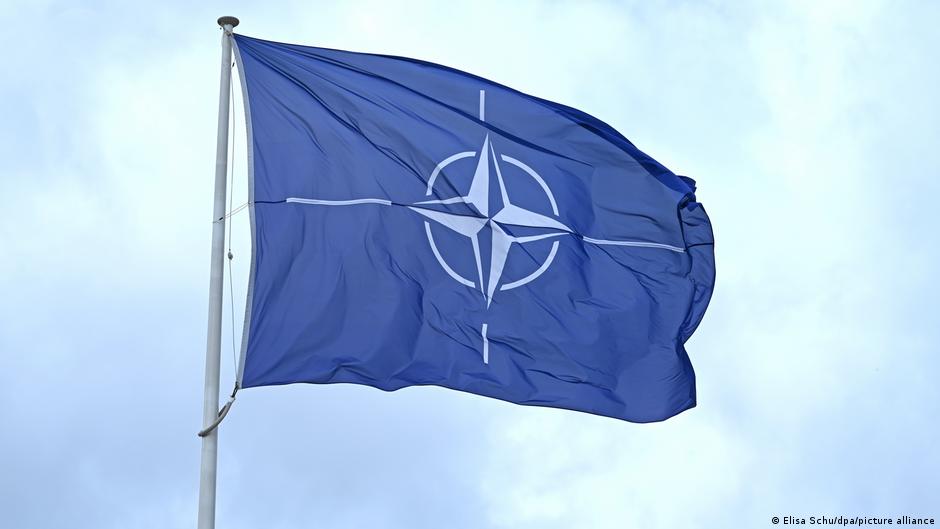
In response to heightened security threats perceived from Russia, NATO allies are actively discussing plans to expand their nuclear deterrence posture in Europe. The proposed strategy involves the possible deployment of tactical nuclear weapons in Finland, Poland, and Lithuania, signaling a significant potential shift in the alliance's defense policy and regional military balance.
Expanding Tactical Nuclear Capabilities in Eastern Europe
The discussions center around the deployment of non-strategic nuclear weapons—smaller-yield armaments designed primarily for battlefield use against military targets such as troop concentrations, airfields, ports, and command centers. These weapons are typically delivered via fighter aircraft or cruise missiles, providing NATO with a flexible and quick-response deterrent capacity.
The renewed focus on tactical nuclear arms reflects NATO's intent to strengthen its deterrence framework in light of ongoing military tensions and the evolving security landscape in Eastern Europe. While specific operational details remain undisclosed, the alliance’s leadership has publicly emphasized the necessity of credible deterrence to assure member states and dissuade potential nuclear aggression.
"We must ensure that no one can launch a nuclear strike against us without facing a credible and effective response," noted NATO Secretary-General Mark Rutte, highlighting the strategic imperative behind the discussions.
Currently, about 100 U.S. B61-12 nuclear bombs are deployed across six air bases in five NATO countries—Germany, Belgium, Italy, the Netherlands, and Turkey—under the Nuclear Sharing program. The contemplated expansion would mark a notable deepening of the alliance's nuclear footprint, particularly in countries bordering Russia.
Legal and Political Shifts in Host Countries
Recent political developments within potential host countries underscore the changing attitudes towards nuclear deterrence. Lithuania’s President Gitanas Nausėda has signaled readiness for Vilnius to join NATO’s nuclear deterrence system, although Lithuania currently has no plans to station nuclear weapons on its soil during peacetime.
Meanwhile, Finland recently amended its atomic energy legislation to remove prohibitions on the import and stationing of nuclear weapons on its territory. These legal changes took effect as of July 1, paving the way for possible future deployments.
Implications for Global Security and Economic Policy
The expansion of NATO’s nuclear posture in Europe may have far-reaching geopolitical and economic implications. From a macroeconomic perspective, increased military tensions and nuclear posturing could introduce greater uncertainty into global markets, affecting investment flows and energy security, particularly in European economies dependent on stable regional relations.
Moreover, the strategic recalibrations could prompt Russia to respond with countermeasures, potentially escalating an arms race in the region. For policymakers and senior decision-makers, this emerging dynamic necessitates careful consideration of defense spending, alliance cohesion, and diplomatic engagement to mitigate risks associated with nuclear escalation.
As NATO navigates these complex security challenges, the alliance’s ability to balance deterrence with diplomatic dialogue will be critical to maintaining long-term regional stability and economic resilience.