Germany Restricts Military Museum Access for Uzbek Citizens Amid Broader Security Measures
Access to the Bundeswehr Military Technology Museum in Koblenz is now restricted for Uzbek and other Central Asian nationals due to new German security regulations.
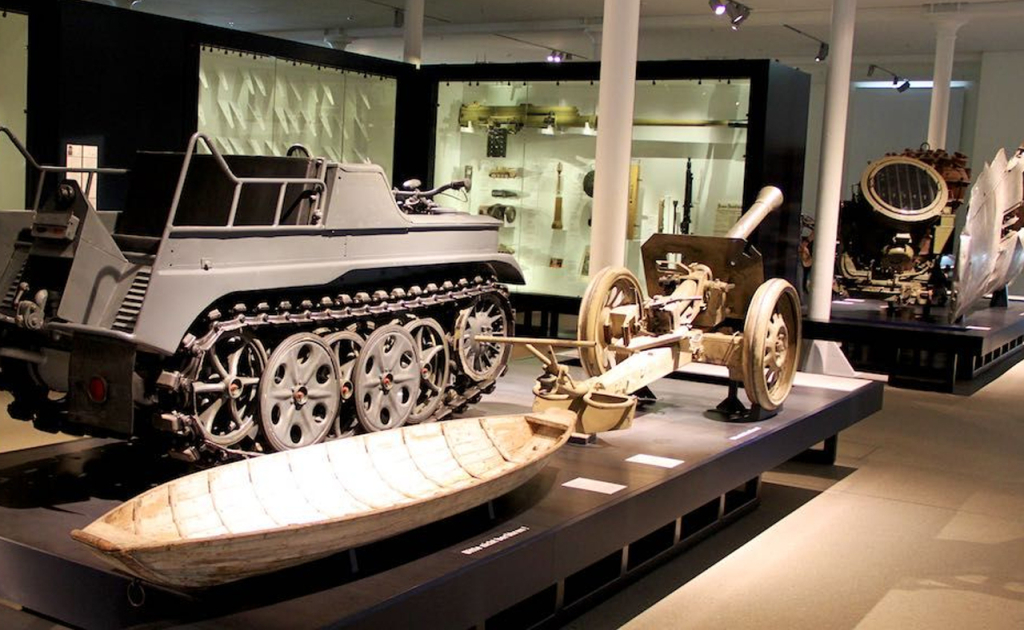
The Bundeswehr Military Technology Museum located in Koblenz, Germany, has implemented access restrictions for citizens of Uzbekistan and several other countries as part of enhanced security protocols. These restrictions came into effect in March 2024, citing compliance with Germany's national security legislation regarding background and reliability checks.
Security-Driven Policy Shift in Museum Access
The museum administration confirmed that the entry limitations align with the legal requirements under German security law, specifically related to the verification of reliability of visitors. Alongside Uzbekistan, the list of restricted countries includes several Central Asian states such as Kazakhstan, Kyrgyzstan, Turkmenistan, and Tajikistan, as well as other nations including Afghanistan, China, Iran, Pakistan, and Syria.
The restrictions are implemented strictly to ensure security, reflecting broader geopolitical and security concerns affecting cultural institutions.
Visitors are required to present valid identification documents upon entry, and the ticket price remains set at 3 euros. The museum, known for hosting one of the largest collections of military technology worldwide, spans exhibits from World War I artifacts to contemporary military equipment.
The extensive collection includes historically significant vehicles like the FT-17 tank and modern battle tanks such as the Leopard 1 and Leopard 2, alongside various prototypes developed by NATO member states. Additionally, the museum showcases an array of firearms, artillery systems, and armored vehicles.
Broader Economic and Geopolitical Implications
This move by German authorities reflects a tightening of security measures within cultural and military institutions amidst evolving international relations, particularly involving Central Asia and countries with complex security profiles. For policymakers and economic stakeholders, such restrictions signal not only heightened security sensitivities but also potential shifts in diplomatic and economic engagements.
Given Germany’s significant role in European and global defense industries, such policy decisions could impact the flow of cultural and educational exchanges, affecting bilateral relations and potentially hindering soft power outreach in strategically important regions.
Moreover, the inclusion of Central Asian countries in these restrictions may indicate a reevaluation of risk assessments in a region that has growing economic significance due to its natural resources and geopolitical position linking Europe and Asia.
As German institutions enforce stricter entry protocols for military-related exhibits, global leaders must consider the long-term implications for international cooperation, defense diplomacy, and economic ties, particularly in sectors where security and cultural exchange intersect.
Based on reporting by Deutsche Welle.