Russia Proposes Ending Mandatory Medical Exams for Contract Soldiers Amid Recruitment Challenges
The Russian Defense Ministry seeks to cancel compulsory medical screenings for conscripts, signaling recruitment pressures during ongoing conflict.
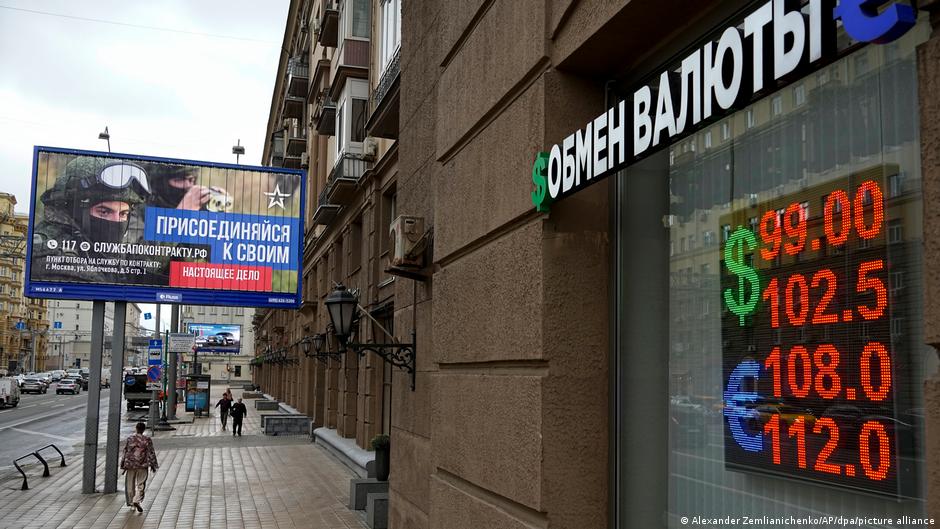
The Russian Ministry of Defense has introduced legislative amendments aimed at abolishing mandatory medical examinations for conscripts and contract soldiers during mobilization periods. This proposed change, currently under public and anti-corruption review, reflects increasing difficulties faced by Russia in maintaining military personnel levels amid its ongoing conflict with Ukraine.
Legislative Shift Reflects Military Recruitment Struggles
The draft legislation, published on July 3, suggests that compulsory medical assessments will only be conducted for individuals presenting visible injuries or serious health conditions potentially rendering them unfit or partially fit for service. The Defense Ministry intends to establish specific procedures for these medical evaluations, diverging from the previous blanket requirement for all contract soldiers and mobilized personnel.
Currently, the mandatory medical examination serves as a key eligibility filter for military service. The proposed relaxation implies that many soldiers might be deployed without comprehensive health screenings, possibly leading to concerns about operational readiness and troop welfare.
"The legislation indicates significant recruitment challenges, as the military seeks to ease enlistment barriers for contract soldiers," noted Grigory Sverdlin, head of the human rights initiative assisting draft evasion.
Experts and human rights advocates have interpreted the move as a sign of Russian military strains. The project "Go to the Forest," which assists individuals in avoiding conscription, suggests that the government’s readiness to forgo medical checks signals desperation in maintaining troop numbers.
Broader Context: Intensifying Recruitment Efforts Amid Rising Pressures
In recent months, Russia has enacted multiple policies to incentivize and expand the recruitment of contract soldiers. Notably, at the end of May, President Vladimir Putin signed legislation forgiving debts for contract servicemen, a measure intended to attract more volunteers. Additionally, recruitment efforts have extended beyond Russia's borders, with reports of enlistment campaigns offering roles in rear-area operations in Belarus and China.
Domestically, aggressive tactics such as roundups and forced contract signings have been reported in regions like Penza Oblast, raising concerns over coercive recruitment methods. Media outlets also speculate about the possibility of a new mobilization wave, underscoring the Kremlin’s ongoing challenges in sustaining its military forces.
Global Economic and Policy Implications
From a macroeconomic perspective, the Russian military's recruitment difficulties could have wide-reaching impacts. Prolonged conflict and manpower shortages may destabilize Russia’s labor market, increase military expenditures, and disrupt economic productivity. Moreover, shifts in defense policy could signal further escalation or protraction of the conflict in Ukraine, affecting global energy markets and geopolitical stability.
For policymakers and economic decision-makers worldwide, these developments underscore the necessity to monitor Russia’s internal dynamics closely. Changes in military recruitment and readiness not only influence Russia’s defense capabilities but also bear implications for international security and economic forecasting.