Russian Military Strikes on Ukrainian Cities Raise Concerns Over Regional Stability and Economic Impact
Recent Russian drone and air missile attacks on Sumy and Zaporizhzhia resulted in civilian casualties, highlighting escalating conflict with broader economic ramifications.
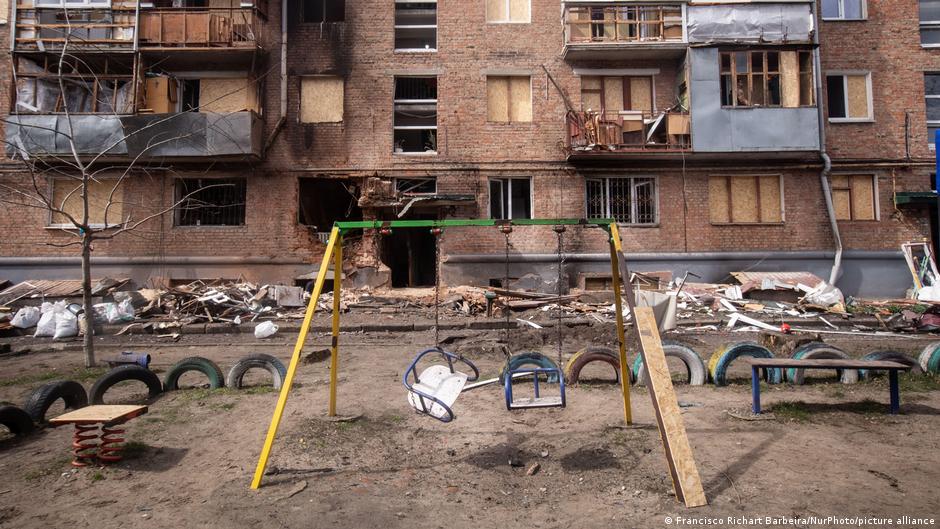
On the evening of July 3, the Russian armed forces launched a series of concentrated strikes using drones and air-launched missiles targeting the Ukrainian cities of Sumy and Zaporizhzhia. These attacks resulted in multiple civilian casualties and significant infrastructural damage, underscoring the ongoing volatility in the region and its potential ripple effects on global economic stability.
Casualties and Damage in Sumy and Zaporizhzhia
According to regional authorities, the assault on Sumy led to the deaths of four civilians and injuries to 27 others, including seven children. The strikes notably impacted the residential sector of the Kovpakivskyi district, where a high-rise apartment building, commercial establishments, and a public roadway were hit during peak hours when many people were present.
"Among the deceased is a five-year-old girl and her mother, while several others sustained severe injuries," reported the regional military administration head.
In a parallel strike on Zaporizhzhia, multiple residential and non-residential buildings along with an industrial facility were targeted. The local administration confirmed two fatalities and 21 injuries as a result of these attacks.
Macro-Economic and Policy Implications
The intensification of military operations in strategic Ukrainian urban centers carries substantial implications beyond immediate human and infrastructural losses. The disruption to civilian life and industrial activity in key regional hubs threatens to exacerbate supply chain interruptions and energy market volatility.
Zaporizhzhia, home to critical industrial enterprises, plays a significant role in regional manufacturing and exports. Continued assaults risk undermining production capacity, thereby affecting global commodity flows. Furthermore, the escalation contributes to greater uncertainty in international markets, potentially prompting shifts in energy policies and defense expenditures among Western nations.
Economic decision-makers must monitor these developments closely, as sustained conflict in Eastern Europe could lead to prolonged market instability, increased inflationary pressures, and necessitate recalibrated fiscal strategies to mitigate global supply chain risks.