Renewed Russian Strikes on Ukraine Cause Civilian Casualties Amid Ongoing Conflict
Russian missile and drone attacks on multiple Ukrainian regions on July 2 escalate humanitarian toll with significant civilian deaths and injuries.
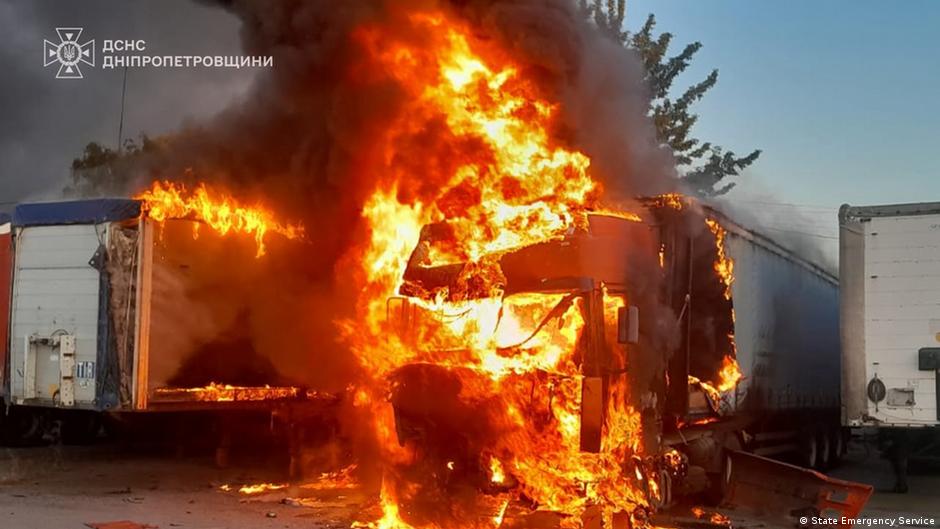
On July 2, Russia intensified its military campaign against Ukraine with a series of missile and drone strikes across several key regions, following the deadliest attack on Kyiv since the outbreak of the war. These latest assaults underscore the continuing volatility of the conflict and highlight the severe humanitarian and infrastructural damage affecting Ukraine's civilian population.
Scope and Impact of the Attacks
The strikes targeted critical civilian infrastructure and residential areas in the southern and eastern regions of Ukraine, including Kherson, Zaporizhzhia, Dnipropetrovsk, Mykolaiv, Kharkiv, Sumy, and Donetsk oblasts. Local officials reported multiple fatalities and dozens of injuries, including children, emphasizing the profound human cost.
"The scale and precision of these attacks reveal a sustained strategy to disrupt civilian life and critical infrastructure across multiple regions," noted regional administrators.
In Kherson, a missile struck a civilian vehicle killing a 41-year-old man, while a medical facility attack claimed the life of a 63-year-old doctor and wounded a nurse. Kherson also experienced drone raids targeting the local oil refinery, demonstrating Russia's focus on strategic industrial sites.
Zaporizhzhia faced strikes on a residential building, commercial warehouses, a postal sorting center, and a sports complex, resulting in injuries to seven people ranging from six to sixteen years old. Dnipropetrovsk reported approximately 40 attacks involving drones, artillery, air bombs, and missiles, with two deaths including a seven-year-old girl, and nine wounded, among them children aged 11 and 14.
In Mykolaiv, drones targeted a gas station and surrounding homes, killing one person and injuring seven others. Kharkiv saw damages to a high-rise residential building, a petrol station, and vehicles, with three civilians wounded. Sumy was hit by three guided aerial bombs damaging a school and injuring eleven people, including children and postal workers. Donetsk’s Kramatorsk city recorded injuries from a drone strike on a vehicle.
Macroeconomic and Policy Implications
The sustained targeting of civilian infrastructure and industrial assets reflects an escalation with far-reaching economic consequences. Ukraine’s regional economies face ongoing disruption to logistics, energy supplies, and social services, compounding the challenges to recovery and stability.
From a global perspective, these attacks underscore the persistent risks to Ukraine’s economic resilience amid the conflict. Disruptions to energy production and transport hubs may exacerbate supply chain bottlenecks, impacting commodity prices and regional economic flows across Europe and beyond.
Policy responses will likely need to address both immediate humanitarian aid and long-term reconstruction efforts. Strengthening Ukraine’s defensive capabilities against drone and missile threats is critical, alongside international coordination to mitigate broader economic repercussions.
The attacks also emphasize the importance of diplomatic strategies aimed at de-escalation and conflict resolution, as the ongoing violence continues to impose heavy costs on civilian populations and regional economic stability.