Latvian President Warns NATO to Prepare for Potential Escalation with Russia
Edgars Rinkēvičs urges enhanced NATO readiness amid concerns over insufficient defense capabilities and calls for clear deterrence signals to Moscow.
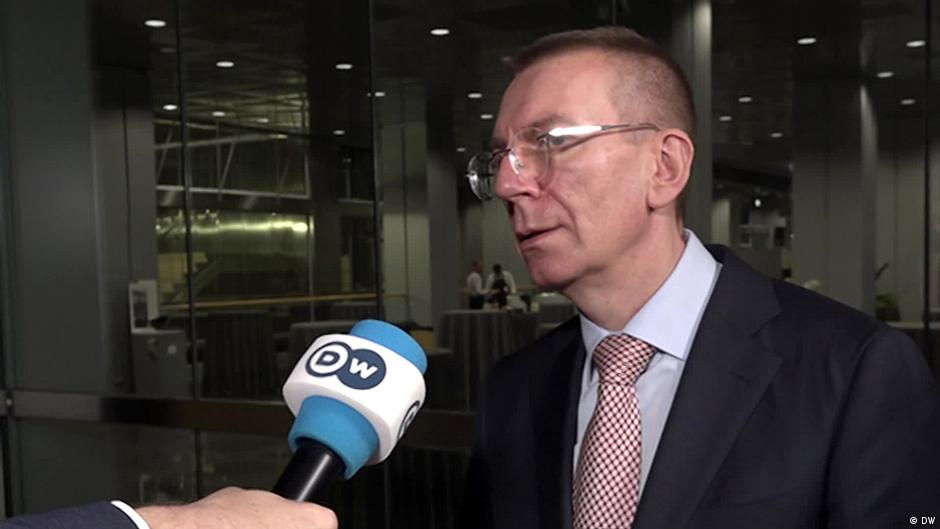
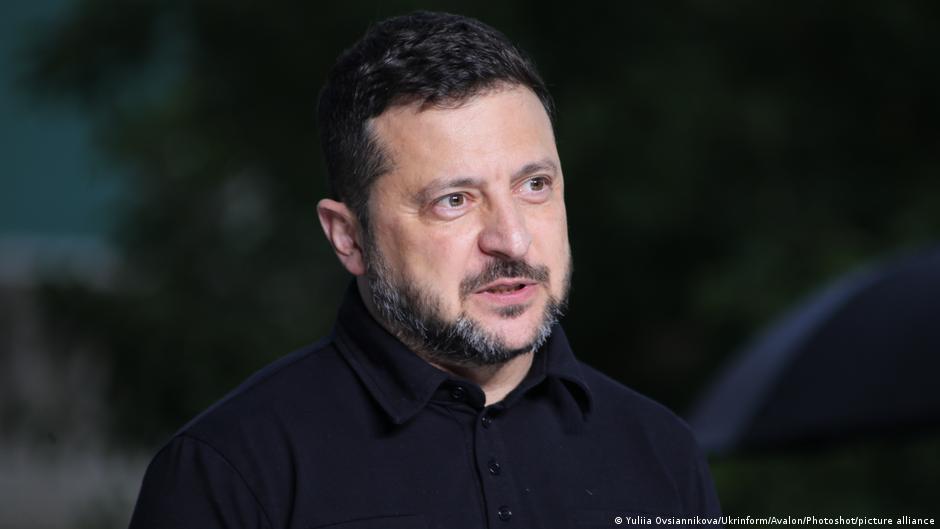
In a recent interview, Latvian President Edgars Rinkēvičs highlighted the increasing risk of a direct confrontation between Russia and NATO. He emphasized that current European defense expenditures, while growing, remain inadequate as they have not translated into corresponding increases in military capacity.
NATO’s Strategic Readiness and Implications for European Security
Addressing the possibility of continued Russian military escalation, Rinkēvičs urged NATO member states to prepare for scenarios involving open conflict with Russia. He stressed the necessity of sending a clear and unambiguous message to the Kremlin that any challenge to NATO would be met with a proportional response from the alliance.
"If Russia challenges NATO, the bloc’s response will be proportional," stated the Latvian president, underscoring the alliance’s commitment to deterrence.
Rinkēvičs further asserted that achieving peace in Ukraine is impossible without active European involvement, framing the conflict as a critical security concern for the entire continent. He linked Latvia’s accession to the European Union directly to its national security interests, signaling a broader geopolitical alignment.
Despite NATO’s recent agreement to increase defense spending to 5% of GDP by member states, Rinkēvičs warned that this target alone is insufficient. The fundamental challenge lies not merely in budget allocations but in the actual enhancement of military capabilities — the acquisition and deployment of sufficient weaponry, missiles, and equipment.
"Financial resources are crucial, but possessing the appropriate armaments and technology is essential for effective defense," he remarked. This points to structural and logistical gaps in European defense preparedness that could undermine the alliance’s deterrence posture.
Highlighting transatlantic ties, Rinkēvičs described the United States as an indispensable partner for European defense, despite occasional political rhetoric from some European quarters. This underscores the enduring centrality of US-European cooperation within NATO’s collective security framework.
In anticipation of the upcoming NATO summit in Ankara, Rinkēvičs visited Berlin on July 3, 2023, where he met with German Chancellor Friedrich Merz alongside Estonian Prime Minister Kaja Kallas and Lithuanian President Gitanas Nausėda. Following the meeting, Merz reaffirmed Germany’s commitment to Baltic security, equating it with German national security.
Macroeconomic and Policy Implications
Rinkēvičs’ remarks carry significant implications for global economic and security policy. The call for heightened defense capabilities suggests sustained or increased defense spending across Europe, which could influence fiscal policy priorities and resource allocation. For senior decision-makers, this implies a need to balance defense investments with broader economic objectives, including growth and social spending.
Moreover, the emphasis on enhanced military readiness and transatlantic cooperation signals a potential shift toward more robust collective security measures. This may lead to deeper integration of defense industries and supply chains within NATO countries, potentially affecting international trade patterns and industrial policies.
From a long-term perspective, the prospect of escalated conflict increases geopolitical risks, which can affect global markets and investment climates. Policymakers must therefore consider both the economic costs of deterrence and the broader stability of the international order amid persistent tensions in Eastern Europe.