US Tightens Sanctions on Cuban Leadership Amid Rising Geopolitical Tensions
New US Treasury sanctions target Cuban President Díaz-Canel and Castro family members, escalating economic pressure amid worsening bilateral relations.
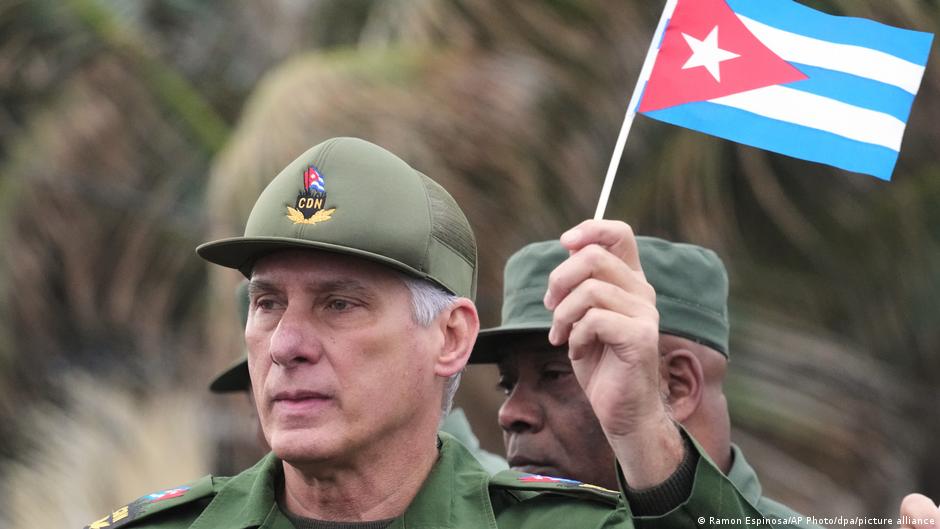
The United States has intensified its economic pressure on Cuba by expanding sanctions to include Cuban President Miguel Díaz-Canel and several members of former leader Raúl Castro's family. This move reflects a broader escalation in Washington's policy of applying sustained pressure on Havana amid persistent diplomatic strains.
Expanded Sanctions and Political Context
On June 4, the White House announced new sanctions under the authority of the US Treasury Department. These measures extend beyond the Cuban president to encompass his wife and stepson, as well as Raúl Castro's son and a grandson. This represents a deepening of sanctions that had already been imposed on Díaz-Canel by the US State Department in July 2019.
Raúl Castro, the brother of the late revolutionary leader Fidel Castro, no longer holds official positions but continues to exert significant influence in Cuban political affairs. Notably, last month the United States leveled accusations against Raúl Castro related to the 1996 destruction of two civilian aircraft, which resulted in four fatalities.
"Washington's consistent escalation of pressure on Havana underscores its intent to reshape political dynamics in Cuba through economic and diplomatic means."
The US government has pursued this strategy for months, framing the sanctions as a response to Cuba's political posture and regional activities. Cuban officials, however, have denounced the measures as provocations and attempts to justify military intervention. Meanwhile, former President Donald Trump publicly threatened to "take control" of the island nation on several occasions.
Economic Implications and Regional Impact
Cuba has been under a comprehensive US economic embargo since 1962, a policy that has long shaped the island's economic landscape. Presently, Cuba is grappling with the most severe economic crisis since the Soviet Union's collapse, marked by acute fuel shortages and widespread power outages.
The economic situation has been further exacerbated by geopolitical developments in neighboring Venezuela. Earlier this year, US forces detained Venezuelan President Nicolás Maduro and transported him to the United States. Subsequently, Washington compelled Venezuela—a primary oil supplier to Cuba—to halt exports to the island. This disruption has intensified Cuba's fuel scarcity, deepening the crisis.
For global economic observers and policymakers, these developments highlight the interconnectedness of regional political dynamics and the fragility of energy-dependent economies. The tightening of sanctions not only aims to exert political influence but also risks further destabilizing the economic environment in the Caribbean, with potential knock-on effects for regional trade, migration, and international relations.
As Washington pursues a hardline stance, the long-term consequences for Cuba’s economic recovery and political stability remain uncertain. Monitoring these sanctions and their impacts will be vital for senior decision-makers assessing geopolitical risks and formulating responses to evolving US-Latin America relations.