US Federal Court Blocks Trump-Era $100,000 H-1B Visa Fee, Citing Executive Overreach
A federal judge invalidates the $100,000 H-1B visa application fee introduced under Trump, with implications for US immigration policy and global tech labor markets.
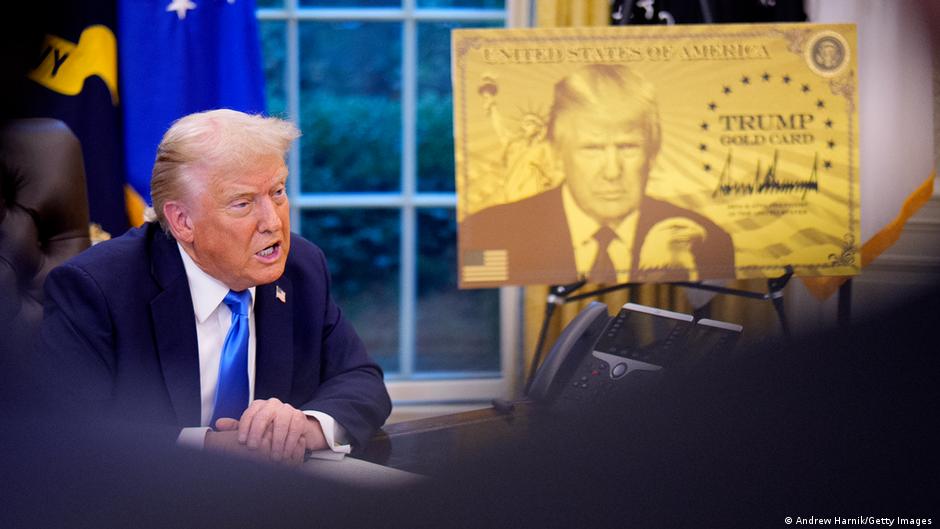
On June 8, 2026, a U.S. federal district judge ruled the Trump administration's $100,000 fee for H-1B visa applications unlawful, marking a significant shift in U.S. immigration policy affecting highly skilled foreign workers and global tech industries.
Legal Reversal of Trump’s H-1B Fee
Federal District Judge Leo Sorokin declared the fee, implemented in September 2025, an illegal tax exceeding executive authority. The fee had been designed to increase the cost of obtaining H-1B visas, which are predominantly used by technology companies to hire specialized talent, particularly from India, which accounts for nearly 75% of approved H-1B applicants.
"The President lacked the authority or delegated power to impose a tax on H-1B visa applications," the ruling stated, emphasizing the legal boundaries of executive power in immigration fee structures.
The lawsuit challenging this fee was filed by twenty U.S. states, reflecting broader resistance to the Trump administration's immigration restrictions. Previously, another federal judge upheld the legality of the fee, but that decision is currently under appeal.
Before the fee hike, the cost to apply for an H-1B visa was under $5,000. The dramatic increase was part of former President Donald Trump's broader anti-immigration agenda, aimed at curbing the employment of foreign workers in positions that could otherwise be filled by American citizens.
Macro-Economic and Policy Implications
This judicial decision has significant implications for the U.S. labor market, international talent flows, and technology sector competitiveness. The H-1B visa program is a critical pathway for U.S. companies to attract and retain highly skilled professionals, particularly in STEM fields. By invalidating the steep fee, the court has effectively maintained the accessibility of this visa category, potentially preserving the United States’ position as a global technology hub.
High visa fees could have deterred qualified foreign talent, encouraging some companies to relocate innovation and research activities overseas or to rely more heavily on domestic labor markets, which may not fully meet specialized demand. The ruling thus supports a policy environment that balances immigration control with economic competitiveness.
Furthermore, the decision underscores the limits of executive actions in shaping immigration policy, highlighting the role of judicial oversight in maintaining a predictable legal framework for businesses and workers alike.
Looking forward, policymakers will need to address how to manage skilled immigration in a way that supports economic growth while addressing domestic employment concerns. The court's ruling signals a potential re-evaluation of fee structures and regulatory approaches that align with broader economic strategies.