Finland urges EU-wide tourist visa ban for Russians amid Ukraine war
Helsinki is pressing the bloc to turn national restrictions into common EU policy as sanctions and security concerns widen.
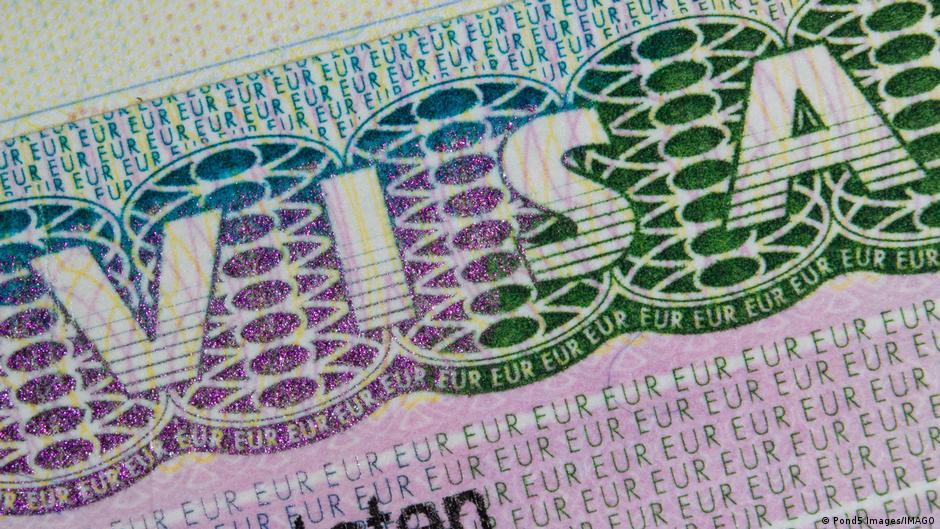
Finland’s foreign minister, Elina Valtonen, has called on European Union member states to stop issuing tourist visas to Russian citizens while Moscow continues its war against Ukraine, a move that would shift a patchwork of national restrictions toward a more coordinated EU-level policy.
Valtonen said on X on Monday, October 12, that she had invited other EU countries to join her appeal to the European Commission on the issue. Her message framed visa policy not only as a security matter, but also as a question of political consistency at a time when the EU is seeking to sustain pressure on Russia while managing the broader economic and diplomatic consequences of a prolonged war.
“It is wrong that Russians can travel to Europe to enjoy the lifestyle and freedoms here while their country bombs Ukrainian homes,” Valtonen said.
Finland, which shares a long border with Russia and joined NATO after Moscow’s full-scale invasion of Ukraine, banned the issuance of visas to Russians for non-essential travel in 2022. Valtonen said the same approach should now be adopted across the EU.
The proposal comes as Europe reassesses the role of mobility restrictions within its sanctions architecture. Tourist visas are not a core macroeconomic sanction in the same way as energy restrictions, financial measures or export controls. Yet they carry wider implications for the bloc’s policy signal: whether Europe should continue allowing routine personal access to its territory while Russia’s war imposes large fiscal, security and humanitarian costs on Ukraine and its partners.
Visa policy becomes part of Europe’s economic statecraft
Valtonen’s position reflects a broader trend in which the EU’s response to Russia is moving beyond traditional trade and finance measures into areas such as migration rules, travel access and enforcement against individuals linked to the war effort. She also called for a ban on Schengen visas for people in the close circle of Russian President Vladimir Putin, restrictions on visas for Russian athletes, and effective implementation of visa bans for Russian participants in the war against Ukraine.
“EU countries must act together,” she stressed.
For senior policymakers and corporate decision-makers, the significance lies in the direction of travel. The EU is increasingly treating Russia-related exposure as a long-term structural risk rather than a temporary crisis. That shift affects compliance planning, cross-border staffing, aviation and tourism flows, and the political environment for companies still managing legacy links to Russia.
Tourism itself is a relatively narrow economic channel compared with energy or banking. But coordinated visa restrictions would further reduce people-to-people flows between Russia and the Schengen area, limiting discretionary travel and reinforcing the economic separation that has accelerated since 2022. For EU border states, especially in Northern and Baltic Europe, the measure is also tied to security costs and the burden of monitoring entry from Russia.
The Finnish initiative follows earlier calls from senior EU figures. In September, EU foreign policy chief Kaja Kallas said the bloc should tighten restrictive measures against the Kremlin in response to what she described as Moscow’s “hybrid attacks,” including by reducing the number of tourist visas.
Estonia has separately supported a visa ban for former Russian participants in the war against Ukraine. That measure was later backed by other countries in the Baltic and Nordic region, underscoring the regional concentration of support for tougher travel restrictions.
Fragmented rules create policy and enforcement gaps
The debate also highlights a persistent challenge for the EU: national governments can restrict visa issuance, but Schengen travel rules mean uneven implementation can create gaps across the bloc. If one member state maintains looser access, travelers may still enter the border-free zone and move onward. That is why Valtonen’s appeal is directed at coordinated EU action rather than further unilateral steps by Finland alone.
In June, a group of EU countries issued a joint call to stop issuing tourist visas to Russians. According to a letter signed by those countries, Russians received 470,000 visas in 2025 to visit the 29 countries of the Schengen area. Many of those visas allowed multiple entries, AFP noted.
That figure gives the issue economic and administrative scale. Even if the direct macroeconomic impact of fewer Russian tourist visits is limited for the EU as a whole, the volume of visas points to an enforcement burden and to the political difficulty of maintaining broad travel access while sanctions remain in place across other sectors.
The next policy signal may come quickly. According to information published on the website of Austria’s parliament, the EU Council is scheduled to discuss visa policy toward Russia on October 14.
Any move toward an EU-wide restriction would fit into a wider pattern of sanctions tightening and risk containment. For Europe, the long-term question is how far economic and civic separation from Russia should extend while the war continues. For Russia, deeper restrictions would add to the narrowing of ordinary access to European markets, institutions and mobility networks.
The broader consequence is less about tourism revenue than about strategic alignment. A common visa policy would indicate that EU governments are prepared to use access to European territory as another instrument of pressure, alongside financial sanctions, export controls and diplomatic isolation. It would also show that border and mobility rules are becoming part of the bloc’s economic statecraft in a conflict likely to shape European policy for years.