Russian Attacks on Black Sea Trade Vessels Heighten Global Economic Risks, Ukraine Calls for UN Security Council Meeting
Ukraine accuses Russia of economic and humanitarian terror disrupting Black Sea trade routes, urging urgent UN action amid rising global food security concerns.
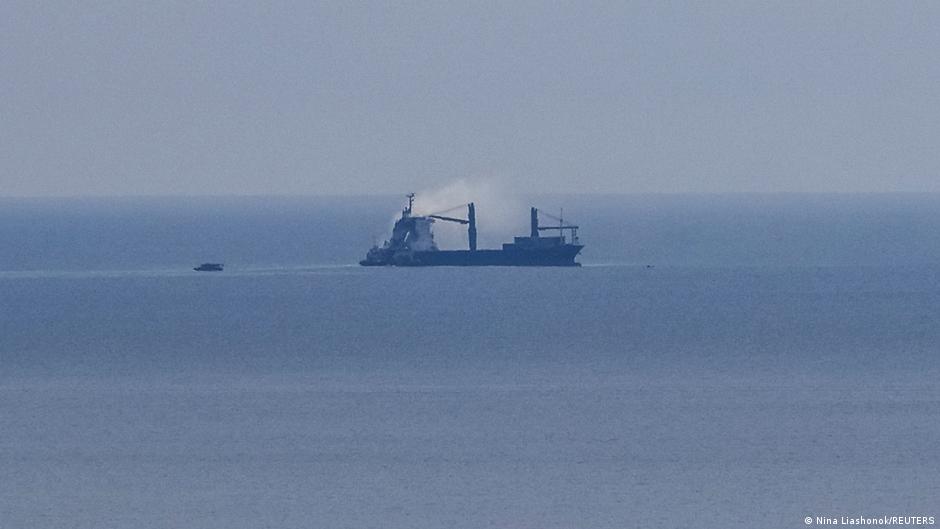
Russia's recent attacks on commercial shipping in the Black Sea are escalating geopolitical tensions and posing significant threats to global trade and food security, according to Ukrainian Foreign Minister Andriy Sybiha. Kyiv has formally requested an emergency meeting of the United Nations Security Council to address what it describes as "economic and humanitarian terror" by Russia.
Disruption of Black Sea Trade Routes and Global Implications
On July 22, 2024, Sybiha announced via social media the urgent call for an extraordinary Security Council session scheduled for July 27, aimed at tackling Russia's offensive against civilian vessels operating within the Black Sea. The attacks endanger vital maritime corridors that serve as conduits for agricultural exports from Ukraine, a major global grain supplier.
"If this terror continues, millions of families in Africa, Asia, the Middle East, and Latin America may face rising prices and hunger," Sybiha warned.
By threatening these trade routes, Russia risks further destabilizing already precarious global food systems, potentially triggering price hikes and exacerbating hunger in vulnerable regions worldwide. The disruption is especially critical given the current fragile recovery from pandemic-related supply chain shocks and ongoing geopolitical uncertainties.
International Diplomatic and Security Coordination Efforts
In response to these developments, Ukrainian diplomatic efforts have intensified. On the same day, Sybiha engaged with his German counterpart, Johann Wadephul, to discuss the rapidly evolving security situation in the Black Sea. They agreed on coordinated efforts to restore freedom of navigation, enhance maritime security, and ensure a robust international response to Russia's actions.
Further discussions with Estonian Foreign Minister Margus Tsahkna reinforced a shared commitment to strengthen Ukraine's air defense systems and expand bilateral cooperation in the defense industry. These moves are seen as critical both for Ukraine's national security and for broader European stability.
Such diplomatic outreach reflects a strategic shift towards reinforcing Ukraine's defense capabilities while simultaneously seeking to uphold international maritime law and safeguard global supply chains.
Operational Status of Ukrainian Ports Amid Hostilities
Despite the attacks, Ukrainian authorities report that the Black Sea port of Chornomorsk, a key node in the Greater Odessa port complex, remains operational. It continues to facilitate exports and honor international contracts, supporting the Ukrainian maritime corridor vital for economic activity.
However, according to Sybiha, as of July 22, no ships have passed through the corridor on that day, highlighting the chilling effect of ongoing hostilities on maritime traffic.
Meanwhile, Russia alleges that Ukraine uses civilian shipping channels to transport weapons, complicating the international community's ability to mediate maritime security concerns.
Broader Maritime Conflict and Military Dynamics
On the military front, Ukrainian unmanned aerial vehicle (UAV) forces claim significant operational successes against Russian maritime assets. Between July 6 and 22, Ukrainian forces report striking 126 vessels of Russia's "shadow fleet" in the Sea of Azov and 70 vessels in the Black Sea, indicating an intensifying maritime conflict dimension.
These dynamics underscore the complex interplay between military engagements and economic warfare in the region, with ramifications extending far beyond Ukraine's borders.
As the Black Sea remains a critical artery for global grain exports, sustained disruptions risk amplifying inflationary pressures on food prices worldwide and may compel policymakers to reconsider maritime security frameworks and trade policies.