Russian Oil Product Output Drops Nearly 22% in June Amid Infrastructure Strikes
Russia’s production of oil products fell sharply in June, highlighting ongoing supply challenges and potential global energy market shifts.
Russia experienced a significant contraction in its production of oil products in June 2026, with the output index declining by nearly 22% compared to the same month last year. This sharp drop underlines the continuing strain on Russia’s energy infrastructure amid ongoing conflict and escalating attacks on its oil refining capabilities.
Impact of Conflict on Russian Oil Production
According to official data released by Rosstat, the Russian Federal State Statistics Service, the oil product production index—which forms part of the overall industrial production index—fell 21.8% year-on-year in June. This decline followed a 13.5% drop recorded in May, demonstrating a deepening downturn in the sector.
Rosstat calculates monthly production indices based on the value of representative product baskets at constant prices from the 2023 baseline year. While physical volume data for oil products are withheld by government decree, the indices offer valuable insight into production trends and economic impacts.
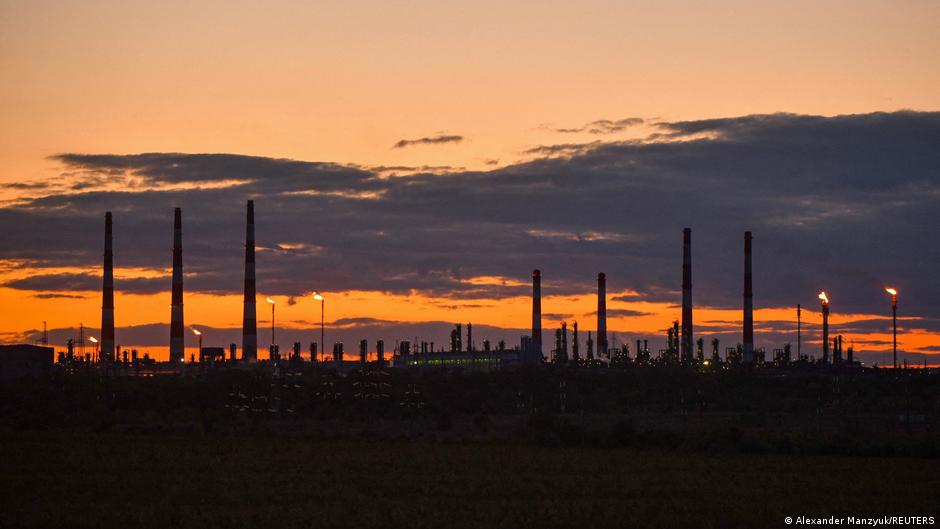
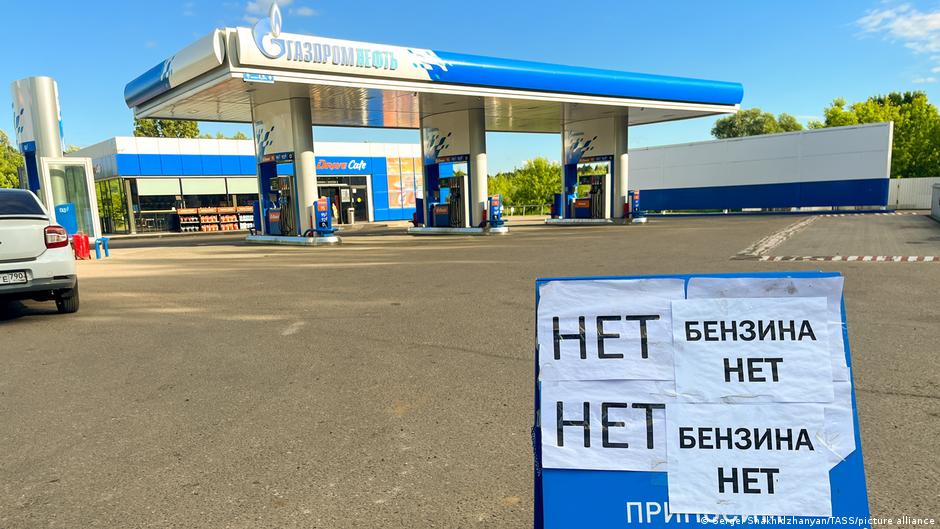
The severe production reduction is linked to sustained Ukrainian drone and missile strikes targeting Russian oil storage facilities and refineries. Since the escalation of the war, approximately 25% of Russian refining capacity has been partially or fully disabled, according to foreign assessments. These disruptions have precipitated localized fuel shortages across several Russian regions, forcing authorities to impose sales restrictions.
“The most significant fuel shortage since the full-scale war began has emerged amid intensified Ukrainian strikes on Russian oil infrastructure, severely curtailing refining output.”
Price Dynamics and Market Stability
Despite the production downturn, fuel prices in Russia have exhibited moderated growth in recent weeks. Data for the week ending July 20 shows gasoline prices rising by 1.7%, down from a 2.3% increase the previous week. Diesel prices similarly slowed, increasing by 1.9% against a prior 3.2% weekly jump.
Russian authorities have claimed that the fuel market is “partially stabilizing,” although ongoing supply disruptions and price volatility continue to pose risks. These market dynamics are crucial, given Russia’s role as a major global oil and fuel supplier and the potential for these internal challenges to affect export volumes and international energy prices.
Global Economic and Policy Implications
The sustained reduction in Russian oil product output has far-reaching implications beyond the domestic market. For global senior policymakers and economic strategists, the disruption underscores vulnerabilities in energy supply chains amid geopolitical conflicts. The shrinking refining capacity in Russia could reshape oil product availability, pushing countries to reassess supply sources and accelerate diversification efforts.
Moreover, rising fuel prices within Russia may contribute to inflationary pressures domestically, influencing broader economic stability. In turn, this could affect Russia’s fiscal revenues and economic resilience, especially if export capacities are also constrained.
As the conflict endures, the international community must monitor these developments closely. The interplay between military actions and energy infrastructure disruptions presents a complex challenge requiring coordinated policy responses to mitigate global market volatility and ensure energy security.