Ukrainian and Serbian Presidents Meet in Belgrade to Discuss Economic and Security Cooperation
Zelensky’s first visit to Serbia since the war marks a significant diplomatic effort amid shifting regional alliances and energy discussions.
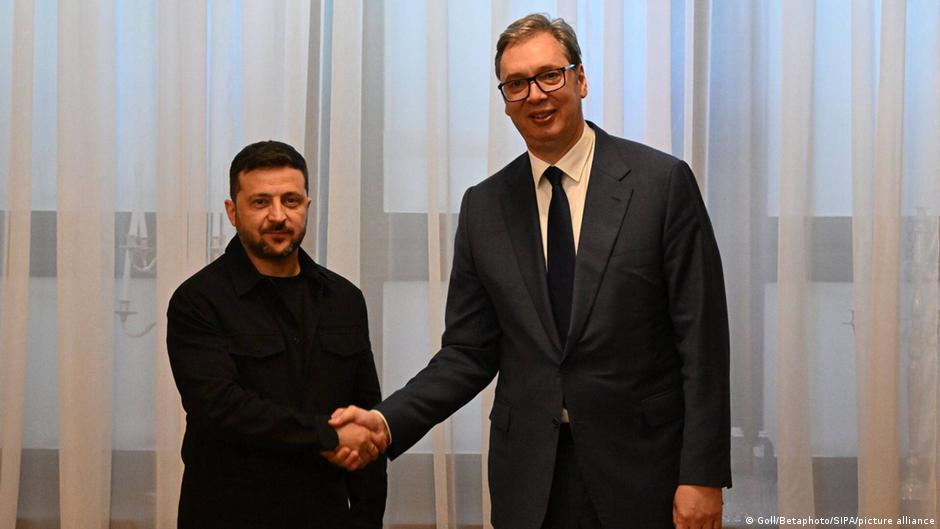
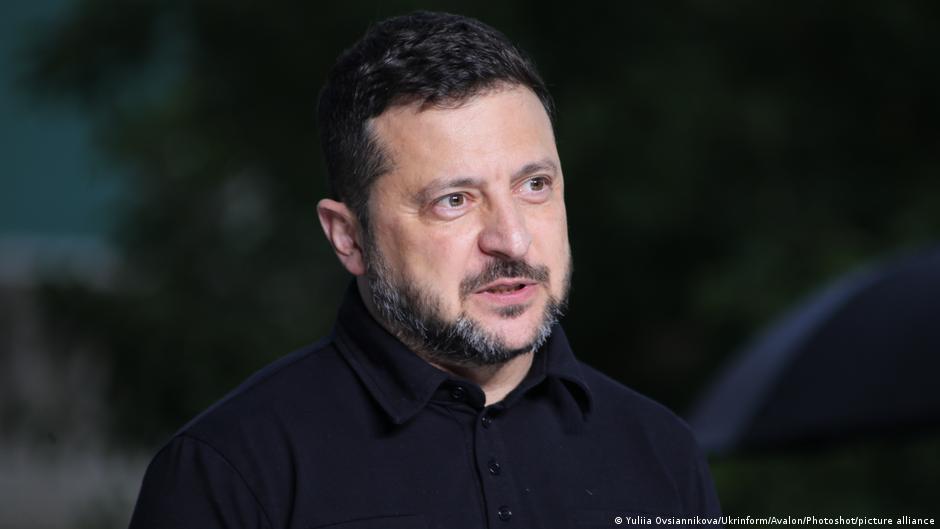
On August 7, Ukrainian President Volodymyr Zelensky arrived in Belgrade for his first visit to Serbia since the outbreak of the war in Ukraine, signaling a potential shift in regional economic and political dynamics. The visit began with a dinner meeting with Serbian President Aleksandar Vučić, setting the stage for official talks scheduled for August 8 at the Serbian presidential palace.
Expanding Economic and Security Ties Amid Geopolitical Complexity
Zelensky shared a brief message on Telegram confirming the start of bilateral talks but refrained from elaborating on the outcomes of the preliminary meeting. President Vučić, for his part, emphasized on Instagram that the visit aims to further develop cooperation between Belgrade and Kyiv in areas of mutual interest, including expanding economic ties and enhancing security collaboration.
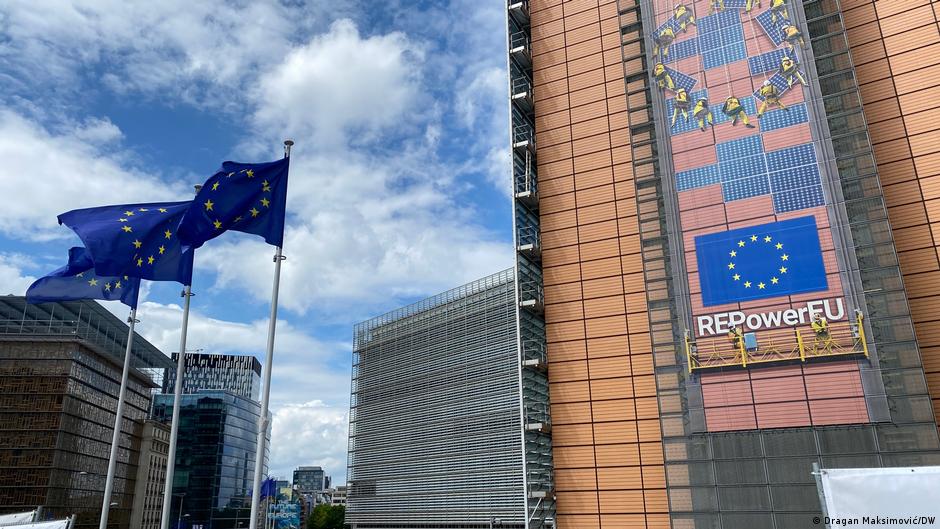
Prior to the visit, Zelensky highlighted that discussions would cover relations with the European Union, economic linkages, and security issues. Vučić also indicated that energy cooperation would be a key topic, reflecting Serbia’s ongoing strategic relationship with Russia in this sector.
“This visit will help strengthen relations and cooperation in spheres representing mutual interest,” Vučić stated.
The official talks on August 8 will be followed by a joint press conference, and Zelensky is also scheduled to meet with Serbian Prime Minister Đuro Mačut during the visit.
Serbia’s unique position as one of Europe’s most Russia-friendly countries adds complexity to the discussions. Since the war’s onset in 2022, Belgrade has refrained from imposing sanctions on Moscow and maintains close ties with Russia, especially in energy supplies. This stance has repeatedly drawn scrutiny from Brussels, which views Serbia’s warm relations with Russia as an obstacle to its accession talks with the European Union.
President Vučić has personally met with Russian President Vladimir Putin multiple times since the conflict escalated, including attending the Victory Day parade in Moscow on May 9, 2025. Meanwhile, despite the war, Serbia continues to balance its historic ties with Russia against its aspirations for EU integration.
Since February 24, 2022, Zelensky and Vučić have met three times in various international forums—in Chișinău and Athens in 2023, and most recently in Odesa in 2025 during the Ukraine-South Eastern Europe Summit. An anonymous high-ranking Ukrainian official described Zelensky’s visit to Belgrade as a “slap in the face” to Russia, underscoring the visit’s symbolic and geopolitical significance.
Global Economic and Policy Implications
This visit comes at a time when energy security and economic realignments are critical for Europe’s stability. Serbia’s continued cooperation with Russia in energy, juxtaposed with its EU accession ambitions, reflects broader tensions across the continent regarding energy dependence and geopolitical loyalties.
Zelensky’s engagement with Vučić could signal Kyiv’s intent to leverage regional partnerships to diversify economic relations and encourage alignment with European frameworks, potentially influencing Serbia’s policy trajectory. The outcomes of these talks may have long-term effects on regional trade, energy routes, and security cooperation, impacting not only Southeast Europe but also the broader geopolitical landscape.
As senior decision-makers evaluate this development, key considerations will include how Serbia navigates its dual relationships with Russia and the EU, and whether Kyiv’s diplomatic efforts will alter the economic and security calculus in this strategically important region.