Russian Missile Strikes on Kyiv Region Result in Civilian Casualties and Fires
Nighttime Russian attacks on Kyiv and its region cause deaths, injuries, and significant infrastructural damage amid ongoing conflict.
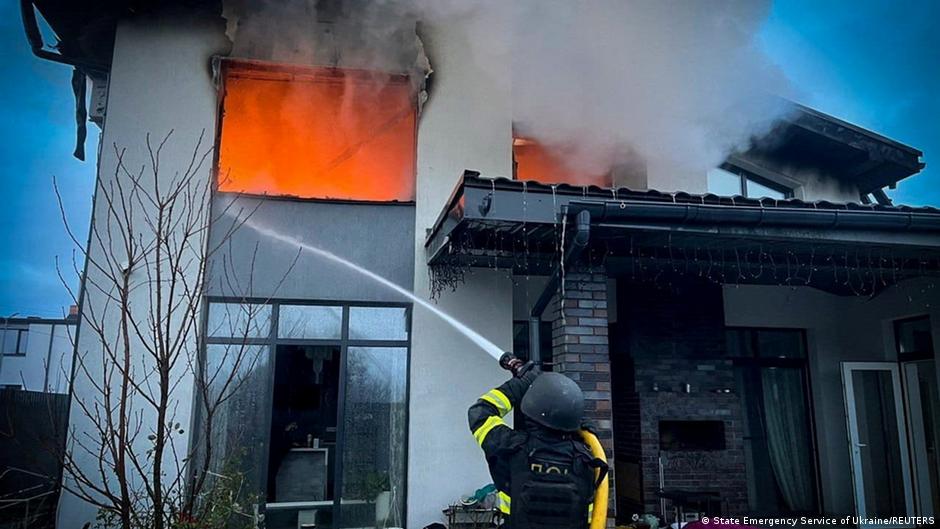
On the night of August 8, Russian forces launched a series of missile and drone strikes targeting Kyiv and the surrounding Kyiv region, resulting in civilian casualties and fires in multiple districts.
Impact on Civilian Population and Infrastructure
The Kyiv Regional Military Administration reported that in the Brovary district alone, three people were killed, including a child, and three others were wounded, one of whom was also a child. The attacks damaged private residences, agricultural buildings, vehicles, and triggered a fire at a non-residential facility. The origin of the debris causing the damage—whether from missiles or strike drones—remained unclear.
Simultaneously, the Kyiv city authorities confirmed two separate incidents of explosions during the night. Ballistic missile strikes and aerial threats, including drones, prompted repeated air raid alerts across the capital and surrounding areas. The city administration reported ongoing emergency response operations to contain fires, including a significant blaze in the Holosiivskyi district and a fuel reservoir fire in the Obolonskyi district.
“Emergency services are actively working to mitigate the aftermath of the night’s shelling,” stated the Kyiv city administration, highlighting the challenges in maintaining civil safety amid persistent attacks.
Broader Economic and Strategic Implications
Beyond the immediate human and material losses, these attacks have broader implications for Ukraine’s economic stability and regional security. Persistent military strikes on urban centers disrupt local economies, compromise public infrastructure, and heighten uncertainty for investors and businesses operating in Ukraine.
For senior decision-makers monitoring global economic trends, the sustained conflict underscores the fragility of supply chains, energy security, and investment climates in Eastern Europe. The targeting of critical infrastructure may exacerbate humanitarian needs, increasing reliance on international aid and complicating reconstruction efforts.
Moreover, the escalation of missile usage signals a potential shift in military tactics that could prolong the conflict, affecting regional geopolitical alignments and imposing further costs on European economies through disrupted trade and increased defense expenditures.
Policymakers and economic strategists must account for these dynamics when considering sanctions, aid packages, and long-term support mechanisms for Ukraine, as well as contingency planning for European energy and security frameworks.