Zaporizhzhia Nuclear Plant Loses External Power for 23rd Time Amid Ongoing Conflict
The Zaporizhzhia Nuclear Power Plant in Ukraine suffered its 23rd external power outage since the Russian invasion, raising concerns over regional energy security and nuclear safety.
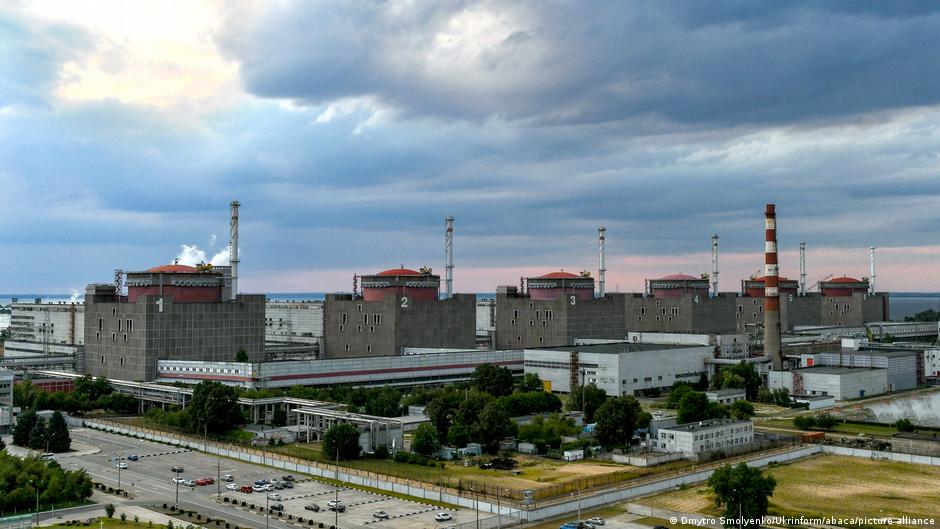
The Zaporizhzhia Nuclear Power Plant (ZNPP), currently under Russian control, experienced the 23rd loss of its external power supply since the full-scale Russian invasion of Ukraine began. This critical incident was reported by the International Atomic Energy Agency (IAEA) on August 1, highlighting ongoing vulnerabilities to the regional energy infrastructure amid sustained conflict.
Repeated Power Disruptions at a Strategic Facility
According to Rafael Grossi, the Director General of the IAEA, the plant was forced to rely on emergency diesel generators for nearly two hours to maintain cooling systems and other essential functions. The agency has not yet determined the cause of the latest outage affecting the last remaining external power line.
"The loss of external power at one of Europe’s largest nuclear plants not only endangers nuclear safety but also underscores the fragility of critical infrastructure in conflict zones," Grossi noted.
Recent reports from the IAEA have also documented intensified military activity near the ZNPP and the nearby city of Enerhodar, home to a significant portion of the plant’s workforce. These developments exacerbate concerns over the operation safety of the nuclear facility, compounded by prolonged internet outages and water supply disruptions that threaten operational integrity.
Geopolitical and Economic Implications of Energy Control
Since April 2022, the ZNPP has been under the control of Russian armed forces occupying parts of Ukraine. Analysts from Greenpeace Ukraine have identified ongoing construction of a high-voltage transmission line along the M18 highway, connecting Russian-held Melitopol to Henichesk. This infrastructure may be intended to integrate the ZNPP into the energy grid of annexed Ukrainian regions and southern Russian territories, including Crimea.
Jan Vande Putte, a nuclear energy specialist with Greenpeace Ukraine, suggests that Russia views the ZNPP as a cost-effective alternative to constructing new nuclear reactors in the Rostov and Krasnodar regions. This strategy could shift energy supply dynamics in the region, potentially easing Russia’s energy demands while further entangling the plant in geopolitical conflicts.
Nevertheless, Ukrainian drone strikes on the Henichesk substation in early July 2023 have temporarily disrupted Russian plans to connect the ZNPP to Russian-controlled energy networks, illustrating the contested nature of regional energy infrastructure amid ongoing hostilities.
Long-Term Consequences for Regional Stability and Energy Security
The repeated power outages at the Zaporizhzhia plant underline the broader macroeconomic risks posed by the war in Ukraine. The instability of critical infrastructure threatens not only local energy security but also has far-reaching implications for European energy markets and global nuclear safety governance.
As the conflict persists, policymakers and international stakeholders face mounting pressure to address the vulnerabilities of critical energy assets in conflict zones. The Zaporizhzhia case exemplifies the complex interplay between military conflict, energy policy, and nuclear safety, demanding coordinated diplomatic and security responses to prevent potential ecological and economic catastrophes.