Russia Threatens Armenia with Gas Supply Suspension Amid EU Integration Moves
Moscow signals potential end to duty-free energy exports to Armenia as Yerevan deepens ties with the European Union.
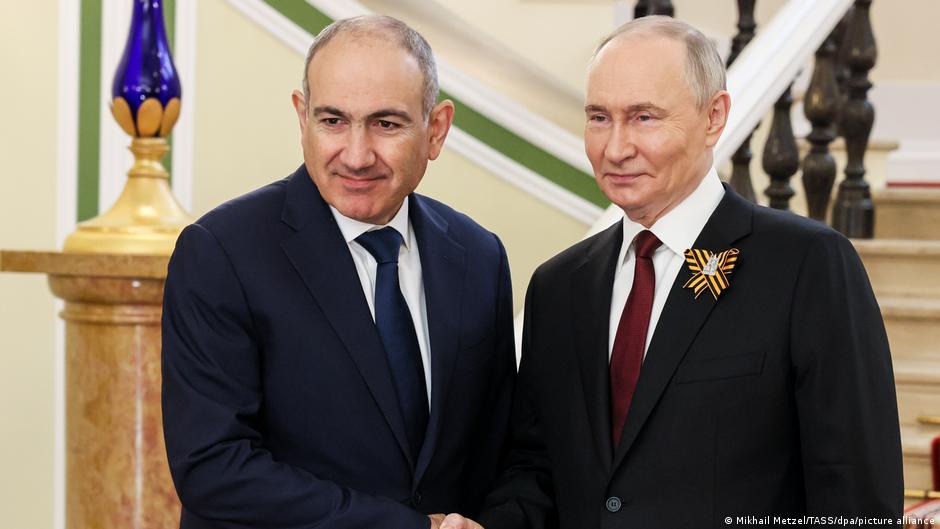
Russia has issued a stark warning to Armenia regarding the continuation of its duty-free energy supplies amid Armenia's ongoing rapprochement with the European Union. A recent letter from Russian Energy Minister Sergei Tsivilev to the Armenian Ministry of Territorial Administration and Infrastructure signals Moscow's readiness to suspend or terminate agreements on duty-free gas, petroleum products, and rough diamonds shipments if Yerevan persists on its EU integration course.
Strategic Implications of Energy Diplomacy
The preferential trade regime providing Armenia with duty-free access to Russian gas, oil products, and diamonds has been in place since December 2013. This arrangement underpins Armenia’s heavy reliance on Russian energy, with Russia supplying volumes aligned with Armenia’s domestic consumption needs and prohibiting re-export to third countries. However, Russia now deems the preservation of this status "impossible" due to Armenia's deepening cooperation with the European Union and declared ambitions to join the EU.
"The ongoing practical steps to deepen Armenia-EU interaction and the government's declared aspiration to join the EU jeopardize the maintenance and development of the fundamentally high level of Russian-Armenian trade, economic, and investment cooperation," the letter states.
The 2013 agreement was designed to be indefinite but included provisions that obligations concerning compensation or recognition of unpaid sums as state debt to Russia would continue even if the agreement were terminated. This signals potential long-term financial and economic consequences for Armenia should the agreement be rescinded.
Russia’s warning also holds broader geopolitical connotations. Armenia’s near-total dependency on Russian gas and the bulk of its oil imports from Russia make any disruption to supplies a critical economic risk. Moscow’s message underscores the strategic leverage wielded through energy diplomacy in response to shifting alliances in the post-Soviet space.
Broader Economic and Political Consequences
Concurrent statements from Russian officials reinforce the gravity of the situation. Deputy Speaker of the Russian State Duma, Pyotr Tolstoy, cautioned that benefits such as long-term visa-free stays and simplified employment for Armenian citizens in Russia could be revoked if Armenia loses its status as a strategic ally. Such measures would deepen Armenia’s economic vulnerabilities and complicate labor mobility, which is vital for many Armenian households reliant on remittances.
Earlier in May, Russia imposed restrictions on the import and sale of certain Armenian goods, including wines, cognacs, vegetables, fruits, and flowers, signaling a broader strategy of economic pressure linked to Armenia’s political orientation. President Vladimir Putin emphasized the need for Armenia to decisively choose between the EU and the Eurasian Economic Union (EAEU), hinting at a "civilized divorce" should Armenia fully align with the EU.
This unfolding dynamic illustrates the complex interplay between geopolitical realignments and economic dependencies in Eurasia. For Armenia, the pivot toward European integration risks disrupting long-established economic ties with Russia, while Russia’s punitive economic measures exemplify the use of trade and energy policy as tools of geopolitical influence.
Armenian authorities have yet to officially comment on the letter or the broader implications of Russia’s stance. However, policymakers and senior decision-makers globally should note these developments as indicative of shifting regional alliances and the increasing economic ramifications of geopolitical choices in the Eurasian economic space.
As Russia leverages its energy exports and trade agreements to influence Armenia's foreign policy direction, the long-term economic consequences could include supply disruptions, increased costs, and a forced acceleration of Armenia’s search for alternative energy sources and trade partners, all of which have significant macroeconomic implications for the region.