Ukraine’s Zelensky Engages Trump Envoys in Diplomatic Push Amidst War
Ukrainian President Zelensky underscores active US diplomatic involvement to end Russia-Ukraine conflict, signaling potential shifts in international policy dynamics.
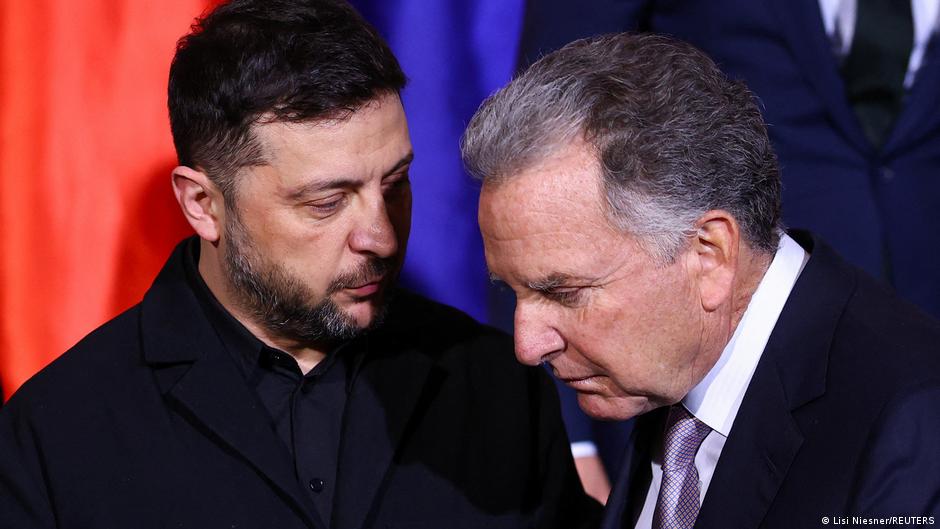
Ukrainian President Volodymyr Zelensky on June 8 reported a "very positive" discussion with special envoys from former US President Donald Trump, Steve Witkoff and Jared Kushner, highlighting their readiness to actively contribute in the coming weeks to bring an end to the ongoing war between Russia and Ukraine.
Addressing the diplomatic engagement via social media, Zelensky expressed gratitude for the envoys' commitment to revitalizing diplomatic efforts swiftly, underscoring the urgency to cease hostilities that have destabilized the region and affected global economic stability.
Diplomatic Developments and Global Economic Implications
During their phone call, Zelensky reportedly provided Witkoff and Kushner with intelligence regarding Moscow's current stance on the conflict, emphasizing Ukraine's strong position and the respect accorded by the United States towards Ukrainian sovereignty and resilience.
"Very positive conversation. Grateful for the readiness to work actively in these weeks to give a diplomatic push towards ending Russia’s war against Ukraine," Zelensky stated.
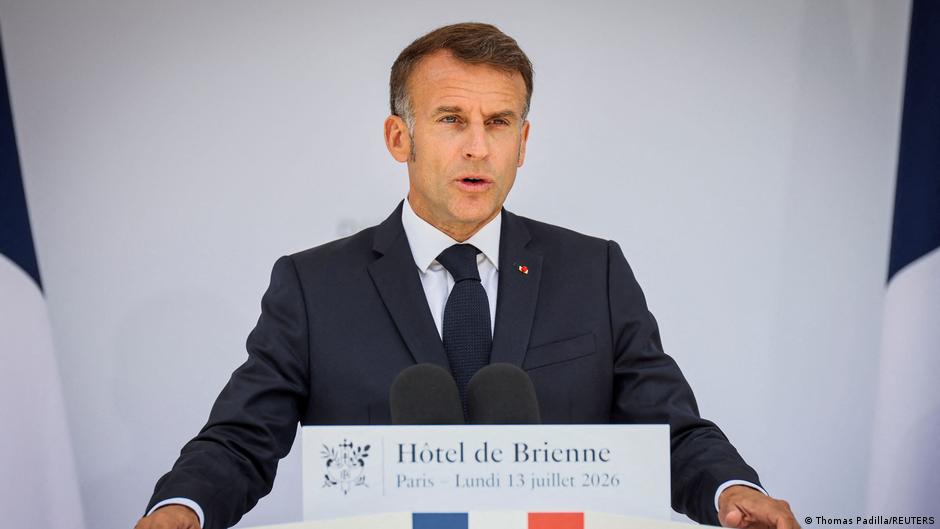
This diplomatic engagement coincided with Zelensky’s transit through Moldova's Chișinău airport en route from critical talks in London. There, he met with key European leaders including Germany’s Chancellor Friedrich Merz, UK Prime Minister Keir Starmer, and French President Emmanuel Macron. This summit resulted in a joint declaration outlining five conditions essential for sustainable peace in Ukraine, alongside strategies to reinforce economic sanctions against Russia, amplify military aid to Ukraine, and foster collaborative missile production efforts for air defense and long-range strikes.
These developments are significant on a macroeconomic level. The continued conflict has severely disrupted global supply chains, exacerbated energy market volatility, and pressured international commodity prices. Coordinated efforts to resolve the conflict may stabilize these markets and restore investor confidence.
The diplomatic momentum follows Zelensky’s public letter to Russian President Vladimir Putin on June 4, proposing an end to hostilities and suggesting a clear date for their personal dialogue. Zelensky also opened the door for broader multilateral negotiations involving Europe and the United States.
However, Kremlin spokesman Putin promptly dismissed the proposal, criticizing the letter for its perceived disrespect and obstacles to dialogue. Putin reaffirmed Russia’s commitment to completing its military objectives, urging Russian forces to continue their campaign without compromise.
The dichotomy between Zelensky’s diplomatic overtures and Kremlin’s response highlights the complexities facing international policymakers. The potential for escalated sanctions or shifts in military support depends heavily on the trajectory of these engagements.
From a long-term perspective, successful diplomatic breakthroughs could herald significant recalibrations in global economic policies, especially concerning energy security, defense spending, and international trade partnerships. Conversely, sustained conflict risks prolonging economic instability, impeding recovery efforts worldwide.
For senior economic decision-makers, understanding the evolving diplomatic landscape is crucial as it may influence fiscal policies, investment flows, and strategic alliances in the months ahead.