US Lifts Sanctions on Bel-Kap-Steel Amid Political Prisoner Releases in Belarus
Sanctions relief reflects Washington's response to Minsk's release of political detainees and signals shifts in US-Belarus economic relations.
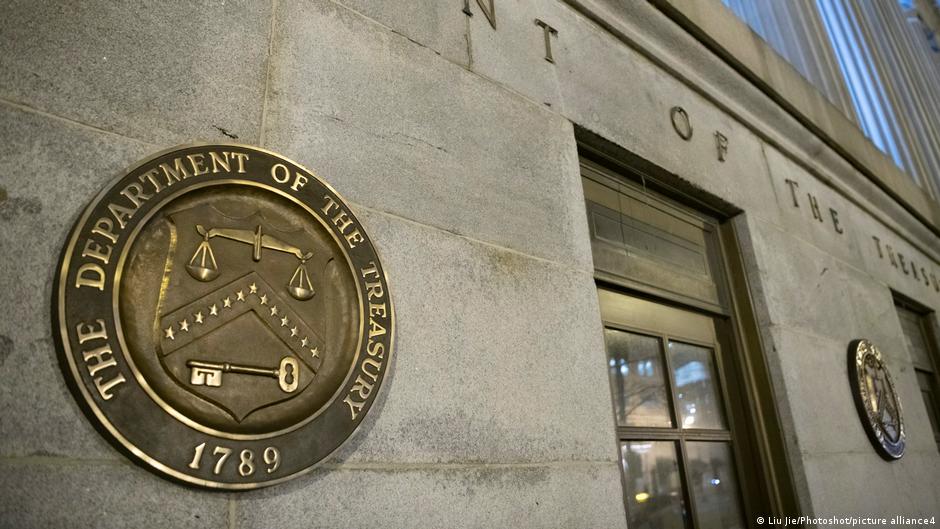
The United States has lifted sanctions on Bel-Kap-Steel, a Miami-based company engaged in a joint venture with the Belarusian Metallurgical Plant (BMZ), a major state-owned Belarusian enterprise. This decision, announced by the US Treasury's Office of Foreign Assets Control (OFAC) on July 23, 2026, marks a notable step in the evolving economic and diplomatic relationship between the US and Belarus.
Economic and Political Context Behind the Sanctions Relief
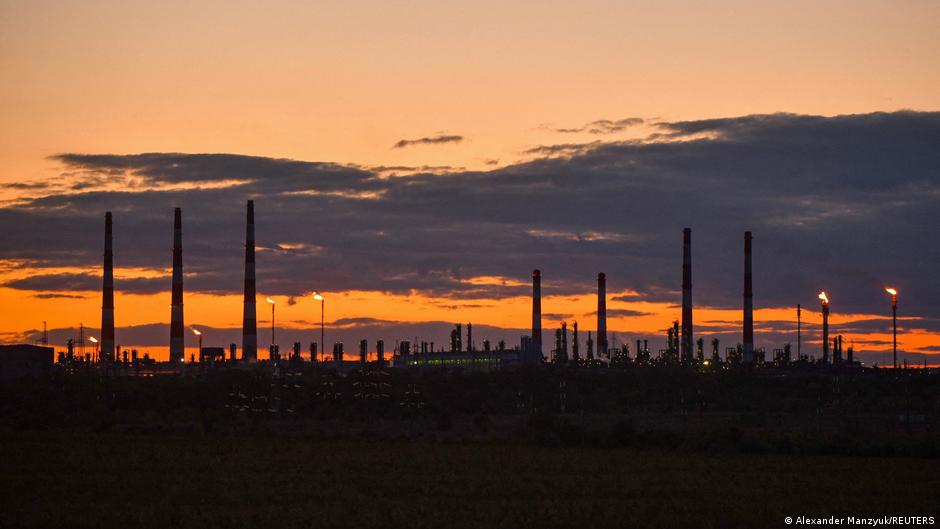
Bel-Kap-Steel was initially sanctioned by the US in August 2023, alongside parallel actions by the European Union. The sanctions targeted the company because of its ties to BMZ, one of Belarus's top five largest state enterprises. BMZ produces various steel products for domestic consumption and export, generating significant revenue streams for the Lukashenko regime.
The easing of sanctions comes amid a series of substantial political developments. Since late 2025, Minsk has undertaken large-scale releases of political prisoners, a move closely monitored by Washington. These releases have been part of ongoing negotiations between Belarus and the US, aimed at de-escalating tensions and opening channels for economic engagement.
"The US decision to ease sanctions reflects acknowledgment of Belarus's tangible steps towards political openness, notably the release of over 370 political detainees since December 2025," said an expert on Eastern European economic policy.
Key milestones in this process include the December 2025 negotiation efforts by Donald Trump's special envoy John Cole, who secured the release of 123 detainees. Subsequent releases continued through early 2026, including a notable prisoner exchange with Poland in late April. While proposed additional exchanges have not yet materialized, the initial progress has been sufficient to prompt US regulatory adjustments.
Implications for Global Economic and Policy Dynamics
The removal of sanctions on Bel-Kap-Steel and other Belarusian financial institutions signals a cautious but meaningful shift in US policy. Alongside Bel-Kap-Steel, restrictions were eased for Belarus's financial sector, including Belinvestbank and the Development Bank of Belarus, and sanctions fully lifted from key potash producers such as Belaruskalij and the Belarusian Potash Company.
This recalibration has significant ramifications for global markets, particularly in commodities like potash, where Belarus is a major supplier. The sanctions relief may lead to increased Belarusian exports, impacting global supply chains and pricing dynamics. Furthermore, the move indicates a potential re-engagement of Belarus in international economic frameworks, which could encourage foreign investment and regional economic integration.
From a macroeconomic perspective, the US action exemplifies how geopolitical developments—such as political prisoner releases—can directly influence economic policy and sanctions regimes. For senior decision-makers, this case underscores the importance of closely aligning diplomatic progress with economic strategy to unlock new opportunities and mitigate risks.
As Belarus navigates its position between East and West, the evolving US stance may prompt other international actors to reconsider their policies, potentially reshaping economic alliances and trade relations in Eastern Europe and beyond.