Lithuania, Poland, and France to Conduct Joint Military Exercises Near Suwalki Corridor Amid Rising NATO-Russia Tensions
Joint maneuvers aim to enhance defense capabilities of a strategic NATO corridor linking Baltic states to the EU amid concerns over Russia's military posture.
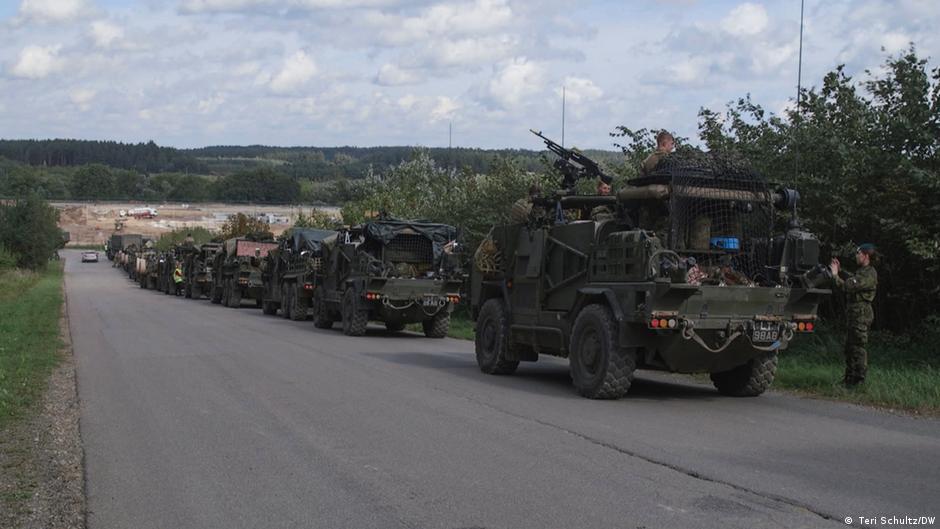
From June 16 to 26, Lithuania, Poland, and France will conduct joint military exercises near the Suwalki Corridor, a narrow but strategically critical land bridge connecting the Baltic states with the rest of the European Union. The drills, known as "Gallant Boar 2026," focus on infantry operations and coordination to strengthen defense capabilities in the face of potential Russian aggression.
Strategic Importance of the Suwalki Corridor
The Suwalki Corridor, a 100-kilometer stretch of land situated between Russia's Kaliningrad exclave and Belarus, holds immense geopolitical significance for NATO and the EU. It serves as the vital link connecting Lithuania, Latvia, and Estonia with continental Europe. NATO officials have repeatedly voiced concerns that in a military confrontation, Russia might attempt to seize control of this corridor, thereby isolating the Baltic states from the alliance and complicating defense logistics.
Accordingly, Poland and Lithuania have intensified military presence and infrastructure development in the region. In April 2026, the Lithuanian parliament approved the construction of a new military training ground near the corridor, expected to be operational by 2028 and capable of housing up to 4,000 troops. These measures underscore NATO's commitment to safeguarding the corridor and deterring any potential Russian encroachment.
"The joint exercises will enhance synchronization among allied forces and sharpen skills crucial to protecting the Suwalki Corridor," stated Lithuanian defense sources.
French participation in the exercises marks a continuation of France's strategic engagement in Eastern European security, reflecting broader NATO efforts to assure eastern allies and display readiness.
Broader Military and Geopolitical Context
Recent intelligence and satellite imagery indicate that Russia is expanding its military presence along its western borders, including the Kaliningrad region and Belarus. Reports from Nordic and Baltic media outlets reveal growing Russian military bases and increased troop deployments, with estimates of up to 115,000 soldiers stationed near European borders post-Ukraine conflict.
Carsten Breuer, the Inspector General of the German Bundeswehr, highlighted in early June the ongoing buildup of Russian forces oriented westward, suggesting a potential escalation around 2029. This assessment points to a protracted period of heightened tension and military preparedness on NATO's eastern flank.
Meanwhile, NATO’s plans include the establishment of a new command structure to facilitate rapid troop deployments to Estonia and Latvia should conflict arise. This reflects a broader strategic shift emphasizing agility and deterrence in response to perceived Russian threats.
Despite Russia's military augmentation, U.S. Army General Christopher G. Cavoli, Commander of NATO Allied Land Command in Europe, conveyed confidence that Russia is reluctant to engage in direct conflict with NATO due to the alliance's asymmetrical advantages. NATO’s technological superiority and integrated defense capabilities are viewed as significant deterrents to open confrontation.
These developments underscore an intensifying security environment in Eastern Europe, with lasting implications for global economic stability. The Suwalki Corridor's vulnerability, if compromised, could disrupt supply chains, energy transit routes, and regional trade flows between the Baltic states and the EU. Moreover, the sustained military buildup and geopolitical uncertainty may impact investor confidence, trade relations, and economic policies within the wider transatlantic sphere.
For senior decision-makers, these strategic military exercises and expanding defense postures signal the necessity for comprehensive policy responses that balance deterrence, diplomatic engagement, and economic resilience in a rapidly evolving security landscape.