Russian Drone Incident in Romania Highlights Rising Regional Security and Economic Risks
A Russian drone crashed into a Romanian apartment building during attacks on Ukraine, raising concerns about regional stability and economic implications.
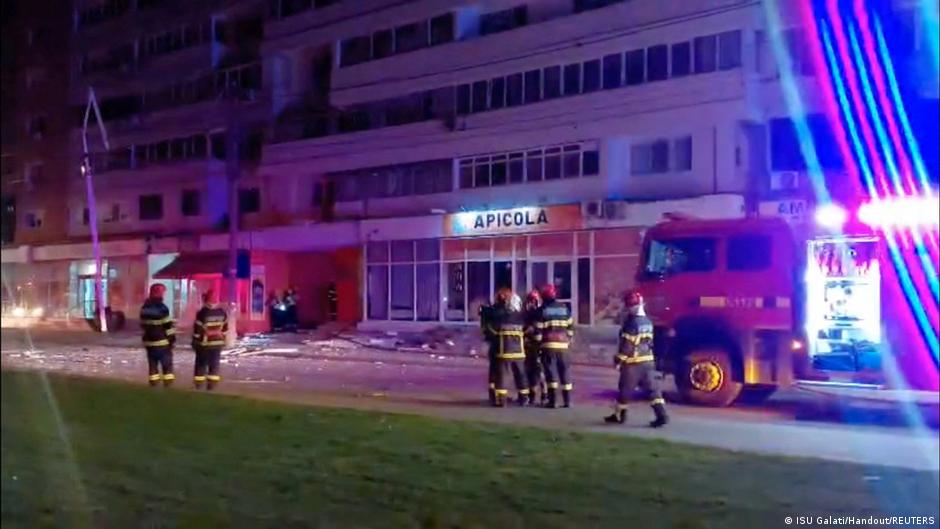
In a significant development underscoring the expanding geographical scope of the conflict in Ukraine, a Russian unmanned aerial vehicle (UAV) crashed into a residential high-rise in the Romanian city of Galați on May 29. The incident caused a fire on the 10th floor of the building and resulted in injuries to two individuals, who received immediate medical assistance on-site. Authorities also evacuated approximately 70 residents as a precautionary measure.
The Romanian Ministry of Defense confirmed that the UAV was Russian-made, marking a rare instance of direct spillover of military operations into a NATO member state. The explosion caused by the drone's full detonation of its explosive payload intensified the fire but was contained by emergency responders.
Broader Economic and Security Implications
The drone’s crash in Romania coincided with reported Russian UAV strikes on the port area of Izmail in Ukraine’s Odesa region. Izmail, positioned near the Romanian border, is a strategic Ukrainian port on the Danube River and serves as a critical node for regional trade and logistics.
"The incident in Romania amplifies concerns about the conflict's wider regional impact, with potential disruptions to vital economic infrastructure and investor confidence in Eastern Europe."
From a macroeconomic perspective, the incident raises urgent questions about the security of supply chains and transportation corridors critical to European and global trade. The Danube ports, including Izmail, play a pivotal role in grain exports and other commodities. Continued military pressure on these hubs may lead to supply bottlenecks and increased volatility in commodity markets, with knock-on effects for inflation and food security globally.
Moreover, the spillover of military assets into NATO territory could accelerate policy shifts among Western governments, potentially leading to increased defense spending and strategic recalibrations. Such developments may reshape economic priorities and resource allocation across the region, influencing long-term growth prospects.
In addition, the psychological impact of attacks extending beyond Ukrainian borders threatens to undermine investor confidence and economic stability in neighboring countries. This could deter foreign direct investment and disrupt financial markets sensitive to geopolitical risk.
As the conflict evolves, policymakers must weigh the dual imperatives of safeguarding security and sustaining economic resilience. Coordinated international efforts to mitigate risks to critical infrastructure and support affected regions will be essential to managing the broader economic fallout.