US to Reduce NATO Military Aircraft and Naval Assets Amid Strategic Pivot to Indo-Pacific
Washington plans significant cuts in fighter jets, reconnaissance planes, and naval vessels supplied to NATO, signaling a shift in global defense priorities.
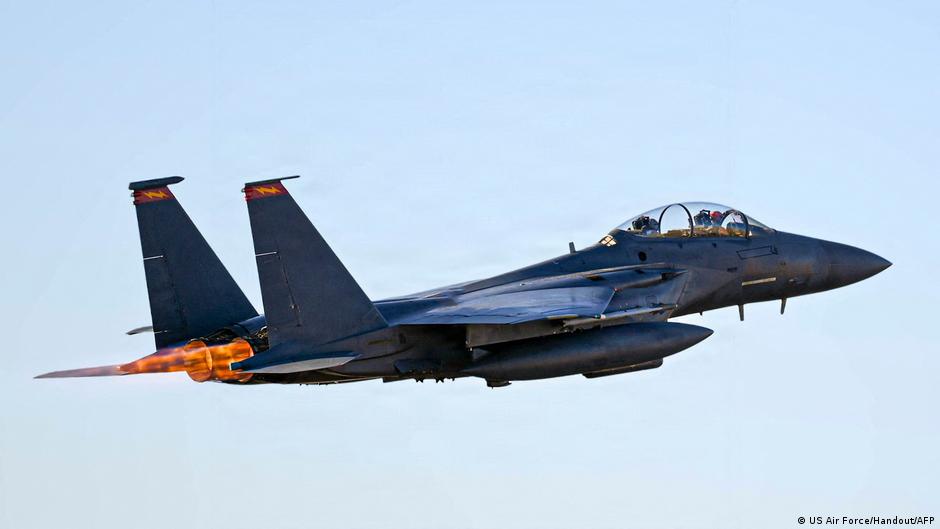
The United States is set to substantially reduce the number of combat aircraft and naval vessels provided to NATO in Europe, reflecting a strategic reorientation towards the Indo-Pacific region. According to reports citing high-level European officials, the cuts will diminish NATO's capability for long-range strikes and surveillance missions.
Details of the Reductions and Strategic Implications
Washington intends to reduce the number of F-16 and F-15E fighter jets supplied to NATO from approximately 150 to about 100. Additionally, the number of maritime reconnaissance aircraft will decrease from 26 to 15. The plan also includes the withdrawal of all eight aerial refueling tankers from Europe, alongside the redeployment of a ballistic missile submarine, an aircraft carrier, and several other naval vessels and aircraft involved in carrier strike group operations.
These developments were communicated to European NATO partners in early June through a classified document, parts of which have been reviewed by journalists. Sources revealed that the drawdown will commence sooner than anticipated by European allies, indicating a rapid shift in operational capacities.
According to earlier reports, the US has provided NATO with a confidential list of 11 items outlining the scale of military presence reductions in Europe. This includes significant cuts in aviation and naval forces, driven by a strategic pivot to focus resources on the Indo-Pacific region amid rising geopolitical challenges there.
"This decision will limit NATO’s ability to conduct long-range strikes and surveillance operations," a source noted, emphasizing the operational impact on alliance capabilities.
Historically, the US has accounted for roughly half of NATO’s military strength under the burden-sharing framework. The planned cuts indicate a recalibration of this contribution, with Washington seeking proposals from European NATO members on how to compensate for the reduced American presence ahead of the June Force Sourcing Conference.
Further compounding the reduction, the Pentagon announced on May 19 that one of the four US brigade combat teams stationed in Europe will be withdrawn, lowering the overall troop presence to levels last seen in 2021. Brigade combat teams, which typically consist of 4,000 to 5,000 personnel and serve as the primary tactical units capable of independent operations, have been a cornerstone of US military strength in the region. Currently, about 100,000 US soldiers and officers are stationed in Europe, with over 65,000 permanently deployed and the rest rotating through.
Global Economic and Security Consequences
This drawdown comes amid heightened global competition and shifts in defense priorities. The reduction of US military assets in Europe could have broader implications for transatlantic security and economic stability, potentially altering the geopolitical balance and defense spending patterns among NATO members.
For senior decision-makers, the US pivot necessitates reassessment of alliance burden-sharing and defense investment strategies. European countries may be compelled to increase their military expenditures or reallocate resources to fill capability gaps left by the US. This realignment could affect global defense markets, supply chains, and procurement policies, influencing long-term economic outcomes related to defense industries.
Moreover, the redeployment of significant assets to the Indo-Pacific underscores the US government's prioritization of countering emerging threats in that region, which could spur increased military spending and economic activity focused on Asia-Pacific defense infrastructures and partnerships.
Ultimately, the US decision signals a transformative moment in global defense posture, with cascading effects on NATO cohesion, European security frameworks, and broader international economic and policy dynamics.