US Imposes 50% Tariffs on Canadian Goods, Signaling Major Shift in North American Trade Policy
Washington enforces steep tariffs on Canadian imports amid escalating trade tensions, impacting key sectors and the USMCA agreement.
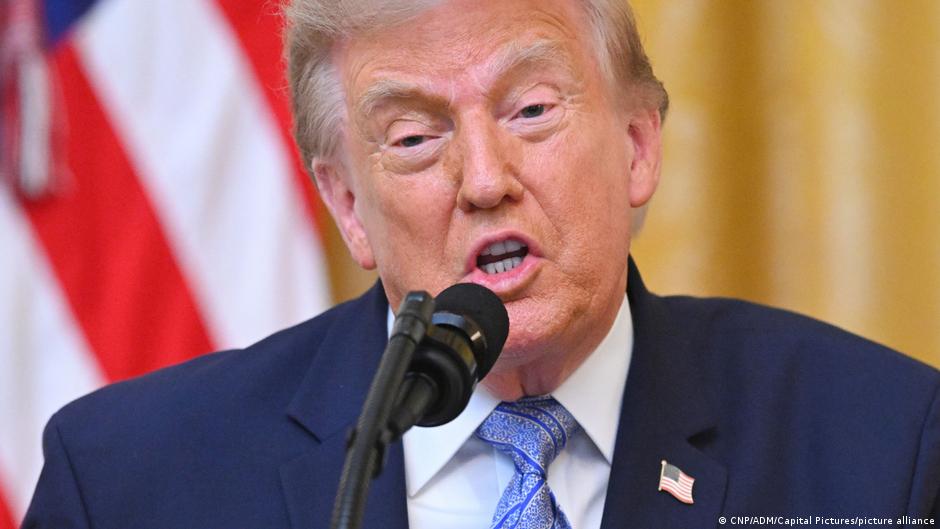
On July 20, the President of the United States signed executive orders imposing new 50-percent tariffs on numerous Canadian goods, citing discriminatory practices by Canadian authorities against American products including alcoholic beverages, automobiles, and dairy.
The tariffs, enacted under Section 338 of the US Tariff Act of 1930, target a broad range of Canadian imports from wine and cement to hockey sticks. They will take effect 30 days after signing, on August 19, excluding energy, potash, and products already subject to industry-specific tariffs. Significantly, these tariffs apply to goods covered under the United States-Mexico-Canada Agreement (USMCA), marking a notable deviation from previous trade enforcement measures.
Implications for North American Trade and Economic Policy
The US Trade Representative, Jamison Greer, estimated that approximately $20 billion worth of Canadian imports will be affected by the new tariffs. He emphasized that the measures respond to Canadian restrictions on US alcoholic beverages, expanded European Union access to Canada’s dairy market, and limitations on US automobile exports to Canada, particularly targeting companies relocating production back to the United States.
“Canada removed American alcoholic beverages from its shelves and imposed barriers on US auto exports, prompting these tariff responses,” Greer stated.
Canadian Prime Minister Mark Carney condemned the tariffs as a unilateral violation of the trilateral trade agreement, pledging to escalate negotiations with Washington to resolve the dispute and modernize USMCA provisions. Canada has already enacted reciprocal trade measures in response.
The tariffs come amid heightened US-Canada tensions, following multiple threats and implemented trade sanctions since President Trump’s return to office last year. Unlike previous tariffs that often exempted USMCA-covered goods, this latest move breaks new ground by explicitly targeting products under the trilateral agreement.
Adding to the strain, President Trump recently linked Canadian forest fire smoke incursions into the US to economic costs that should be factored into the tariff regime, signaling a broader use of environmental issues as leverage in trade disputes. Earlier this year, the President also threatened 50-percent tariffs on all Canadian-made aircraft and criticized Canada for refusing to certify certain US aircraft models, intensifying friction in the aerospace sector.
These developments reflect a strategic pivot in US trade policy towards more aggressive enforcement and bilateral pressure tactics, challenging long-standing North American trade frameworks. The dispute underscores growing concerns over supply chain dependencies and market access asymmetries within the continent.
From a macroeconomic perspective, the imposition of such steep tariffs risks disrupting integrated supply chains and increasing costs for manufacturers and consumers across both countries. It also casts uncertainty over the future of USMCA cooperation, potentially prompting Canada to diversify trade partnerships and enhance self-reliance.
As negotiations advance, policymakers and senior economic decision-makers globally will closely monitor the outcomes, which could set precedents for handling trade disputes and recalibrating regional economic alliances in a shifting geopolitical landscape.