Italy’s Foreign Minister Cancels US Visit Amid Diplomatic Tensions Following Trump Remarks
Italian Foreign Minister Antonio Tajani cancels US trip after President Trump’s disparaging comments about Prime Minister Giorgia Meloni, signaling strain in transatlantic relations.
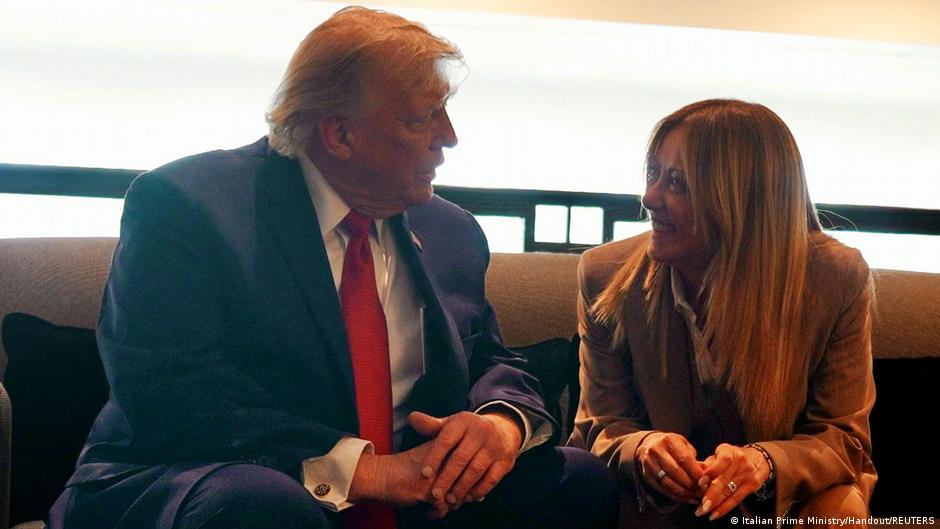
Italian Foreign Minister Antonio Tajani has canceled his scheduled visit to the United States on June 21-22 following controversial remarks made by former US President Donald Trump about Italy’s Prime Minister Giorgia Meloni. Tajani characterized Trump’s statements as "serious and offensive," asserting that they constitute an insult to Italy as a whole.
The cancellation was announced on Tajani’s social media account on June 19. Tajani was slated to participate in the Italy-US Business, Investment, Science, and Innovation Forum in Miami, where he was also expected to meet with US Department of State official Marco Rubio.
Trump’s remarks, made during a June 19 telephone interview with Italian broadcaster La7, alleged that Meloni "begged" to take a photograph with him at the recent G7 summit in Evian-les-Bains, France. Trump further expressed pity for the Italian premier, comments which have been widely condemned in Italy.
"Serious and offensive statements by President Trump towards Prime Minister Giorgia Meloni are an insult to all of Italy," Tajani said after announcing his decision to cancel the visit.
Diplomatic Fallout and Broader Implications
Prime Minister Giorgia Meloni responded to Trump’s allegations by denying them emphatically, describing the statements as "completely fabricated" and expressing shock. Meloni also criticized what she characterized as a lack of resolve by Trump towards Western adversaries, contrasting it with his more conciliatory stance towards certain other leaders.
"Neither I nor Italy ever beg," Meloni asserted, emphasizing the resilience and dignity of Italy’s leadership in the face of disparagement. This episode highlights the fragility of diplomatic relations between Italy and elements of the US political sphere under Trump’s influence.
The tensions follow a series of previous clashes, including a notable dispute in April when Trump criticized Pope Leo XIV after the pontiff called for peace talks among warring nations. Trump’s negative comments about the pope and subsequent remarks questioning Meloni’s stance on Iran’s nuclear ambitions and war policies further strained the relationship.
These confrontations have implications beyond bilateral tensions, reflecting a larger challenge for Western alliances. Italy, a key member of the European Union and NATO, plays a critical role in transatlantic cooperation. Disputes between Italian leadership and influential US figures risk undermining coordinated responses to global security threats, economic collaboration, and diplomatic initiatives.
The cancellation of Tajani’s visit, particularly given the forum’s focus on business, investment, science, and innovation, also raises concerns about potential disruptions to economic partnerships. The Italy-US forum has been an important platform for advancing joint ventures and attracting investment flows, areas vital to post-pandemic economic recovery and technological advancement.
As senior global decision-makers assess policy directions, such diplomatic frictions underscore the need for stable, respectful engagement to preserve and strengthen the transatlantic alliance. The current discord could signal shifts in diplomatic postures and necessitate recalibrated strategies to sustain cooperation on economic and security fronts.
Overall, the episode serves as a case study in the intersection of political rhetoric and international relations, illustrating how personal remarks from prominent leaders can cascade into significant macroeconomic and geopolitical consequences.