Italy Cost-of-Living Protests Put Economic Policy Under Pressure
Demonstrations across major Italian cities highlight public unease over prices, fuel costs, military spending and the Meloni government.
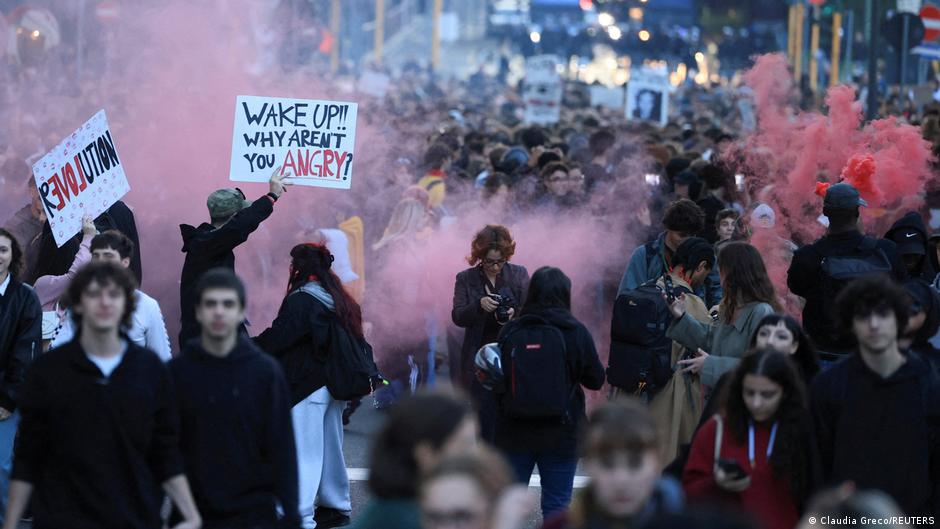
Protests over Italy’s high cost of living continued on Saturday, October 24, extending a wave of demonstrations that has combined economic grievances with opposition to higher fuel prices, increased military spending and the policies of Prime Minister Giorgia Meloni’s government.
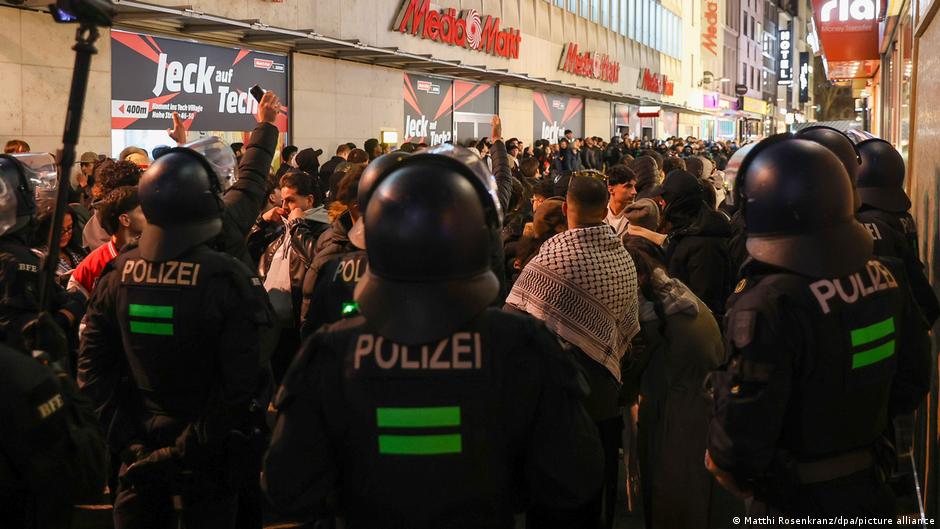
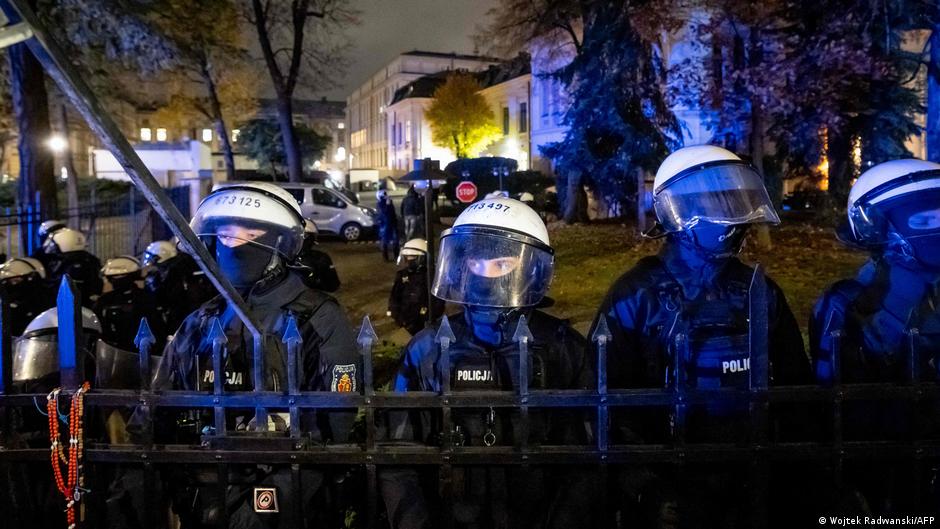
Italian police reported nine arrests and 371 preliminary detentions during the latest demonstrations, according to AFP. Of those detained, 110 were minors. The scale of the police response reflected heightened official concern following protests on October 17 and 18 that descended into disorder.
For economic policymakers and business leaders, the demonstrations underscore the political risks created when pressure on household budgets overlaps with contentious public-spending choices. Anger over living costs and fuel prices is unfolding alongside opposition to expanding armaments, placing questions about government priorities at the center of the unrest.
Security measures intensify after earlier unrest
Following the disorder of the previous weekend, Italian authorities deployed 500 members of elite military units to Milan. The government also simplified procedures for detaining minors and for imposing financial penalties on their parents when property is damaged.
Drones and helicopters were used to monitor the demonstrations, while patrols at railway stations were reinforced. Authorities also closely tracked online activity in an effort to identify fresh calls for unrest.
The measures indicate that the government is treating the protests as both a public-order challenge and a broader test of political stability. For senior decision-makers, the tightening of security also raises questions about the longer-term balance between maintaining commercial activity, protecting infrastructure and preserving space for peaceful protest.
The unrest brings together household affordability concerns, opposition to fuel-price increases and criticism of expanding military expenditure.
In Milan, protests were largely peaceful until the evening, according to dpa. Demonstrators nevertheless clashed with law-enforcement officers in the city center, where police stopped a column of protesters and used batons. Fearing renewed disorder, owners of many luxury stores barricaded their display windows.
The precautions taken by retailers illustrate the immediate commercial consequences of sustained unrest. Even where demonstrations remain mostly peaceful, expectations of disruption can affect city-center businesses, transport access and consumer activity. Luxury retailers in particular face concentrated exposure in prominent urban districts that can become focal points for demonstrations.
Demonstrations spread across major cities
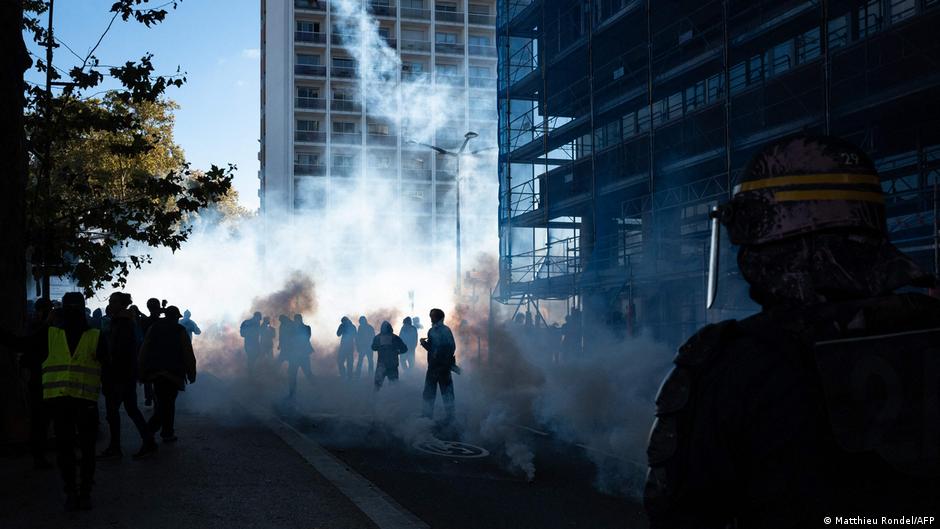
In Bologna, police used tear gas and water cannon to prevent a column of demonstrators from approaching the railway station. In Turin, law-enforcement officers used shields to push protesters back. The focus on transport hubs highlights the importance authorities place on maintaining mobility and protecting critical infrastructure during periods of unrest.
Rome saw a predominantly pro-Palestinian demonstration move through the historic center. At one point, participants entered the Colosseum, dpa reported. Protest actions also took place in Naples and Florence, giving the movement a broad geographic reach across several of Italy’s principal economic, cultural and administrative centers.
The participation of protesters motivated by different issues adds complexity to the government’s response. Cost-of-living pressures, fuel prices, military policy, opposition to the Meloni administration and pro-Palestinian activism do not form a single economic agenda. Their convergence, however, can amplify public dissatisfaction and make it harder for authorities to address the protests through narrowly targeted measures.
Economic grievances carry wider policy implications
Italy’s latest demonstrations point to the political sensitivity of policies that affect disposable income. Fuel-price increases can feed directly into household transport costs and indirectly into the price of goods moved through national supply chains. When those pressures coincide with criticism of military spending, fiscal choices become more visible to voters who are already concerned about their purchasing power.
The government’s immediate response has centered on security, surveillance and tougher procedures involving minors and property damage. Those steps may limit disorder, but the underlying protests suggest that public-order policy alone will not remove the economic grievances driving participation.
For companies operating in Italy, continued unrest could require closer monitoring of retail locations, logistics networks, railway access and employee mobility. For policymakers, the longer-term challenge is to manage competing demands on public resources while maintaining confidence among households and businesses.
The demonstrations do not by themselves establish a change in Italy’s economic trajectory. They do, however, reveal how affordability concerns can broaden into a challenge encompassing fiscal priorities, energy costs and confidence in government. The extent to which the protests persist may shape the political room available to the Meloni administration as it weighs security measures against pressure for an economic response.