Uzbekistan’s Rising Meat Imports Signal Long-Term Economic and Policy Challenges
Rising meat imports in Uzbekistan reflect slowing domestic production amid global price pressures, raising concerns over future food security and inflation.
Surging Meat Imports Amid Domestic Slowdown
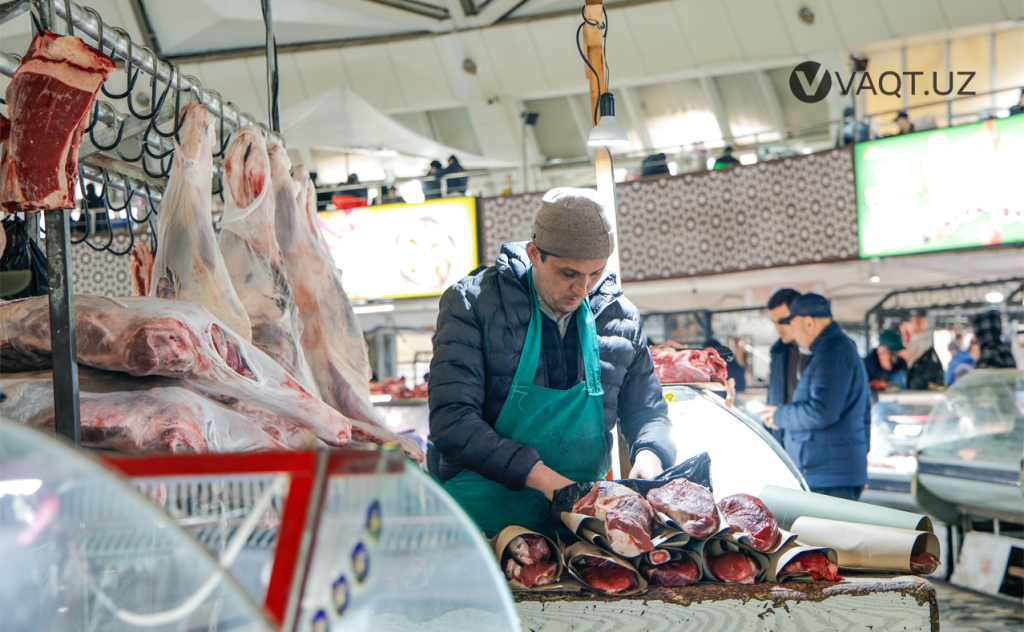
In the first four months of 2026, Uzbekistan imported $320.6 million worth of meat products, marking a 62.8% increase compared to the same period in 2025. This surge accompanies a 36.6% rise in the volume of imported meat, reaching 98,000 tons. The dominant imported meat category is beef, totaling 49,850 tons, followed by chicken at 22,700 tons.
This trend reveals a growing reliance on imported meat against the backdrop of decelerating domestic meat production. In the first quarter of 2026, Uzbekistan produced 580,200 tons of meat, a modest increase of 2.9%, the slowest rate observed since 2022.
"The slowing pace of meat production, driven by rising feed costs, pushes Uzbekistan to depend increasingly on pricier imports to satisfy domestic demand."
Economic and Policy Implications
The rising import costs are influenced by global market volatility, inflationary pressures, and logistical challenges. For example, the import price of beef climbed from $4.07 per kilogram in 2025 to $4.80 in 2026, while lamb prices surged from $1.03 to $2.87. Chicken prices remained relatively stable, fluctuating slightly from $1.22 to $1.20.
Domestically, the cost of meat has also increased sharply. According to the Central Bank of Uzbekistan, in 2025 beef prices rose by 23.9%, boneless beef by 25%, and lamb by 26.9%. By March 2026, annual price growth was 15.1% for beef and 18.2% for lamb. Market prices reflect these trends, with meat prices in bazaars reaching up to 200,000 Uzbek soums per kilogram and supermarket prices climbing to 259,000 soums. Lamb prices rose 3.7% and beef 3.2% in April alone.
The primary driver behind the slowing domestic production is the increased cost of animal feed, disproportionately affecting smaller-scale farmers and home-based production units. This dynamic poses a risk to Uzbekistan’s food security strategy, particularly as consumer demand for meat grows.
Global Context and Long-Term Outlook
Uzbekistan’s dependence on imported meat amid rising global prices and supply chain uncertainties is emblematic of broader economic vulnerabilities faced by emerging markets reliant on agricultural imports. The country’s situation illustrates how external shocks—such as global inflation and logistical disruptions—can exacerbate domestic production challenges and trigger inflationary spirals in essential food items.
For policymakers, this signals an urgent need to strengthen domestic agricultural productivity, incentivize feed production, and improve supply chain resilience to mitigate exposure to volatile international markets. Without such structural reforms, Uzbekistan risks prolonged inflationary pressures on food prices, which could undermine economic stability and social welfare.
The current trajectory suggests that meat prices are unlikely to stabilize in the near term. Instead, the combination of slowed domestic growth and higher import prices points to a continuing upward trend, with significant implications for consumers, producers, and fiscal policy.
In summary, Uzbekistan’s rising meat import bill highlights the complex interplay of domestic production constraints and global economic forces, underscoring the critical importance of strategic economic planning to ensure sustainable food security and macroeconomic stability.