Ukraine Imposes Sanctions on 32 Russian Firms and 34 Individuals Linked to Military Sector
Kyiv targets key Russian defense-related entities and extends existing sanctions amid geopolitical tensions.
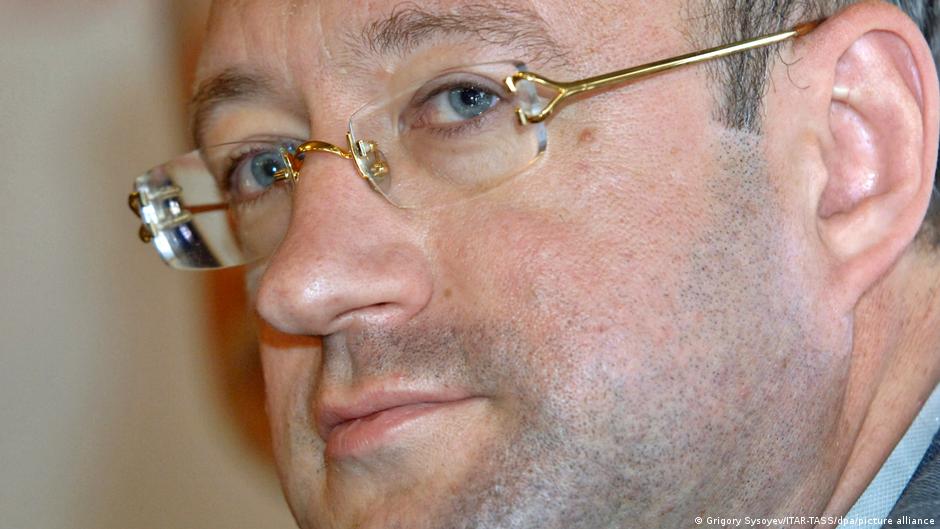
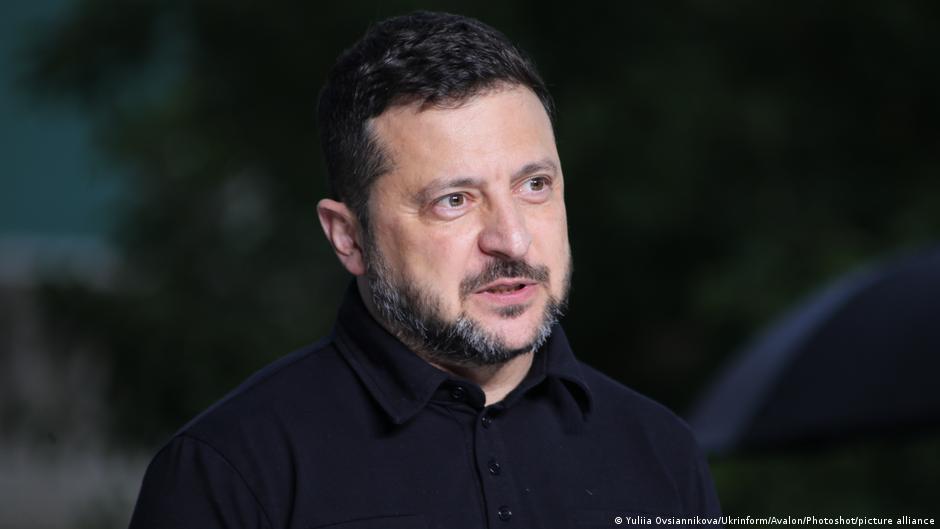
Ukrainian President Volodymyr Zelensky has enacted new sanctions against 32 Russian companies and 34 individuals, primarily linked to the Russian defense industry, while also extending the duration of previously imposed restrictive measures. The directives, grounded in decisions by Ukraine's National Security and Defense Council, were officially published on May 12.
Targeting Russia’s Military-Industrial Complex
The newly imposed sanctions focus on companies and individuals involved in supplying critical components and technologies for Russia’s military capabilities. According to Ukrainian authorities, many sanctioned entities are leaders or founders of enterprises producing hardware for the S-300 and S-400 missile systems, ballistic missile platforms such as Topol, Yars, and Iskander, as well as propellants, rocket fuel, and ammunition components.
"Sanctions also cover Russian firms manufacturing radio-technical reconnaissance equipment, airborne special technology carriers, and companies circumventing international restrictions by supplying precision industrial machinery and electronic components," the Ukrainian presidential office stated.
Among the sanctioned individuals are actors who actively sought to lobby for easing US and EU sanctions against Russia, highlighting the broader geopolitical dimensions of the measures.
Extension and Impact of Existing Sanctions
In addition to new sanctions, Ukraine has prolonged sanctions against 13 individuals and 21 legal entities initially targeted in 2023. Notably, four companies on the extended list have since ceased operations. The sanctions include figures such as Irina Babakova, Natalia Selivanova, and Vadim Giner, linked to the "VS Group Management" financial-industrial group in Ukraine, which was established by Russian nationals under existing sanctions.
Ukraine’s law enforcement agencies have also pursued legal actions against some sanctioned individuals, such as Alexander Babakov and Vadim Giner, accused respectively of justifying Russian actions and facilitating territorial changes in Ukraine.
Significantly, several sanctioned individuals were undisclosed co-owners of Ukrainian firms controlling regional energy providers, hotels, shopping centers, agricultural businesses, and the "First Investment Bank." This highlights the extent to which Russian capital remains embedded in Ukraine’s critical economic sectors despite ongoing conflict and sanctions.
Implications for Global Economic and Security Policies
These sanction updates underscore Ukraine’s strategic use of targeted economic measures to disrupt Russian military supply chains and financial networks. By coordinating with international partners to synchronize sanctions regimes, Ukraine aims to tighten the economic noose around Russia’s defense capabilities and undermine entities facilitating sanctions evasion.
For policymakers and senior decision-makers, the evolving sanction landscape signals a continued geopolitical contest where economic tools are central to security strategies. It also reflects the challenges in disentangling cross-border economic relations amid conflict, particularly in sectors like energy and finance that have global interdependencies.
As the conflict persists, monitoring sanctions developments will be essential for anticipating shifts in regional stability, investment risks, and the broader trajectory of economic warfare shaping the global order.