US Intelligence Reveals Iran Retains Majority of Military Missile Capability
Contrary to official US statements, Iran has preserved around 70% of its pre-conflict missile arsenal, signaling resilience with significant global security implications.
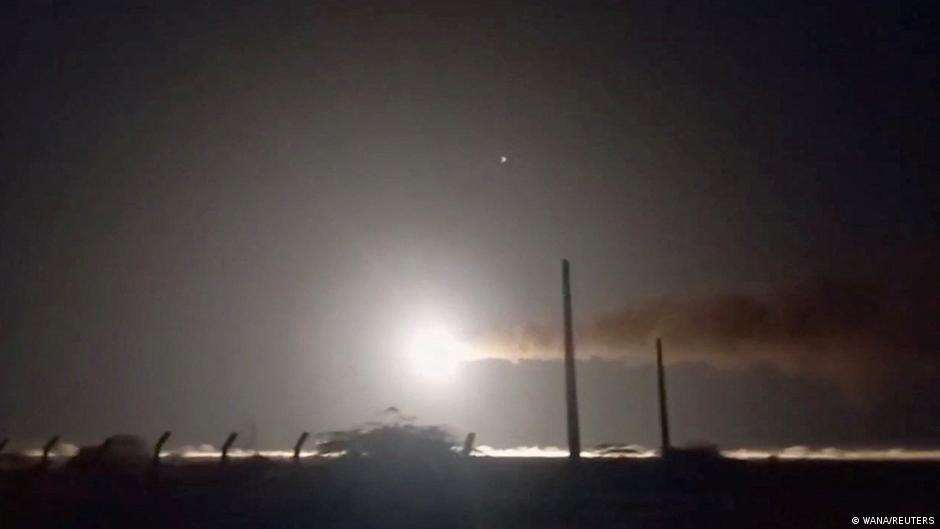
Recent US intelligence assessments suggest that the damage inflicted on Iran's missile infrastructure by American military strikes has been significantly overestimated by former President Donald Trump and his defense advisors. These findings highlight Iran's ability to recuperate and maintain a substantial portion of its military capabilities, contradicting official US claims that Tehran’s missile forces have been crippled.
Strategic Implications of Iran’s Missile Resilience
According to reports, Iran continues to control approximately 70% of its mobile missile launchers within its borders, as well as about 70% of its pre-conflict rocket arsenal. This inventory includes both ballistic missiles capable of striking targets beyond Iran’s borders and a smaller cache of cruise missiles suited for shorter-range strikes against land and sea targets.
Of particular concern is the operational status of missile complexes along the Strait of Hormuz. Intelligence data indicate that Iran has restored combat readiness to 30 out of 33 such complexes, posing a potential threat to US naval vessels and commercial oil tankers navigating this critical maritime chokepoint. Moreover, satellite imagery and multiple intelligence sources reveal that Iran has regained access to roughly 90% of its underground missile storage and launch facilities, with many deemed partially or fully operational.
"New intelligence data indicate that Donald Trump and his military advisors overestimated the impact US forces had on Iranian missile sites and underestimated Iran’s resilience and ability to recover," analysts noted.
These revelations challenge the previous narratives promoted by the Trump administration and the Secretary of Defense, who declared Iran’s military threat neutralized. The intelligence community’s assessments suggest a more complex reality, with Iran continuing to pose a significant strategic challenge in the Middle East.
Furthermore, the United States is facing its own logistical constraints. Military inventories of vital munitions such as Tomahawk cruise missiles, Patriot surface-to-air missiles, and ground-launched Precision Strike and ATACMS missiles have been depleted. Additional strikes aimed at further degrading Iran’s missile capabilities could exacerbate shortages, putting pressure on production capacities already strained by commitments to Ukraine and other global operations.
European allies, who have procured billions of dollars’ worth of US munitions for the conflict in Ukraine, express concerns about potential disruptions to their supplies as the US military prioritizes replenishment of its own arsenals.
Despite these intelligence reports, official US statements remain consistent with the position that Iran’s military strength has been substantially diminished. White House spokesperson Olivia Wallace reaffirmed claims that Iran’s current military status is unsustainable and dismissed reports suggesting Iran has restored its capabilities as either misinformed or propaganda from the Islamic Revolutionary Guard Corps.
Similarly, Pentagon spokesperson Sean Parnell assured the public that the US armed forces possess all necessary resources to protect American interests and personnel.
The evolving situation underscores the complexities surrounding US-Iran relations and the broader geopolitical landscape. The resilience of Iran's missile capabilities not only challenges US military assessments but also influences global energy security, regional stability, and the strategic calculations of US allies and adversaries alike.