Uzbekistan Launches Subsidies for Modern Swimming Pools to Boost Tourism and Economy
Government covers up to 50% of construction costs for new swimming pools, aiming to enhance tourism infrastructure and create jobs by 2028.
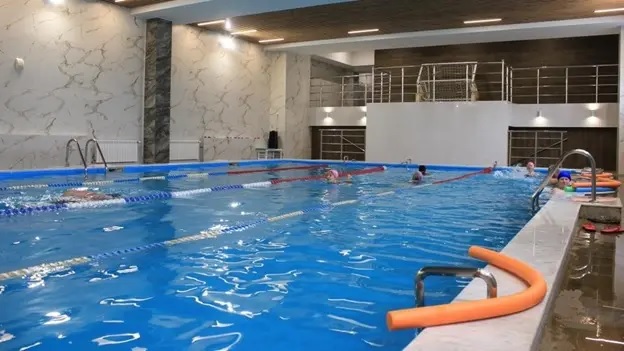
In a strategic move to stimulate regional development and diversify its economy, the Uzbek government has approved a new subsidy program for entrepreneurs building modern swimming pools. This initiative is designed to offset up to 50% of construction and commissioning costs, capped at 100 million Uzbek soms per project, providing significant financial support to local businesses in the tourism and sports sectors.
Policy Framework and Economic Implications
The recently enacted regulation on "Provision of State Services for Covering Costs Related to the Construction and Launch of New Modern Swimming Pools" sets a clear administrative framework for this subsidy. Eligible entrepreneurs can apply between February 1, 2026, and January 1, 2028, with the government committing subsidies for the first 100 modern swimming pools completed within this period.
Applications are submitted through the State Services Center or the Unified Interactive Public Services Portal to the Tourism Committee. Upon approval, subsidy payments are processed within 10 business days, directly transferred to the applicant’s bank account, ensuring swift disbursement and easing capital constraints for investors.
"Modern swimming pools are not only a means to promote healthy lifestyles but also a promising sector for developing tourism and sports infrastructure, creating employment, and establishing profitable businesses," government representatives emphasized.
From a macroeconomic perspective, this policy reflects Uzbekistan’s broader strategy to enhance non-oil economic sectors, promoting sustainable economic growth through tourism and recreational infrastructure. By incentivizing private investment in these facilities, the government aims to stimulate local economies, generate new employment opportunities, and diversify income sources.
Moreover, the focus on sports infrastructure aligns with global trends emphasizing health and wellness tourism, potentially attracting both domestic and international visitors. This diversification could reduce Uzbekistan’s economic reliance on traditional industries, fostering resilience against external shocks.
For senior decision-makers, the subsidy program exemplifies a targeted policy intervention designed to catalyze private sector participation in priority sectors. The capped subsidy amount ensures fiscal responsibility while encouraging quality project development. Monitoring the program’s impact on regional economic indicators and employment rates will be crucial for assessing its long-term effectiveness.
In conclusion, Uzbekistan’s subsidy for modern swimming pools represents a forward-looking economic policy aimed at leveraging tourism and sports infrastructure development to drive sustainable growth. Stakeholders are encouraged to capitalize on this opportunity to advance projects that contribute to healthier communities and robust local economies.