Financial Loss of Uzbekistan’s Paxtakor Football Club Signals Broader Economic Challenges
Paxtakor football club reports a 50 billion UZS loss in 2025 amid shifting state funding and privatization uncertainties.
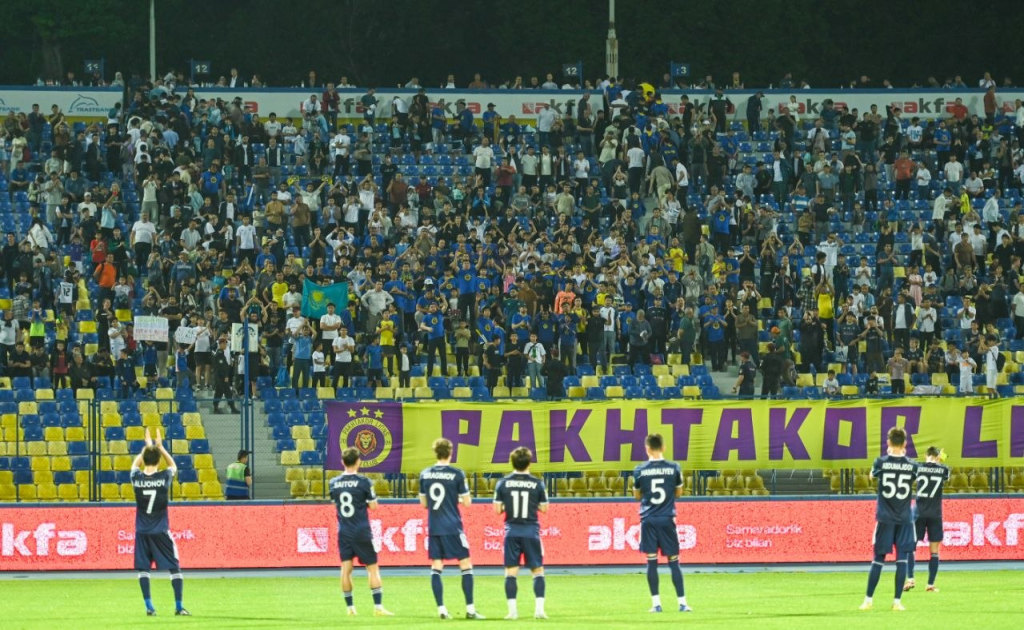
Uzbekistan’s leading football club, Paxtakor, recorded a significant financial loss exceeding 50 billion Uzbek soms in 2025, according to recently released financial statements. This sharp downturn follows a profitable 2024, when the club posted a net income of nearly 37 billion soms, highlighting a volatile economic environment for sports organizations reliant on state support.
Economic Implications of Sports Sector Financials
Despite generating total revenues of approximately 78.9 billion soms in 2025—15.3 billion from core activities and an additional 63.6 billion from other sources—Paxtakor's expenses soared to 128.9 billion soms, resulting in a net loss of 50.8 billion soms for the year. This financial strain is compounded by the club’s outstanding tax debt of 17.1 billion soms, despite paying nearly 11 billion soms in taxes during the same period.
"The transition to reduced state funding and the push for privatization introduce substantial fiscal challenges, forcing clubs like Paxtakor to rethink their revenue models and operational sustainability."
Paxtakor's financial hardships come at a time when the Uzbek government is systematically reducing budgetary subsidies for football clubs. Starting in 2026, the state will allocate 35 billion soms annually to the Super League participants, but these allocations will decrease to 30 billion soms in 2027 and 25 billion soms in 2028. This gradual withdrawal aims to encourage clubs to develop independent revenue streams and reduce reliance on public funds.
Currently, Paxtakor is wholly owned by the Tashkent city administration, with Jahongir Ortiqxo‘jayev, a former city mayor and businessman, serving as club chairman. Earlier in 2024, the State Assets Management Agency announced plans to privatize the club. However, no official updates have followed, and Ortiqxo‘jayev publicly expressed reluctance to pay even a nominal fee for the club and stadium privatization, signaling potential complications in the transition process.
The club’s on-field performance remains competitive; it finished second in the 2025 Uzbekistan Super League with 60 points, following its championship win in 2023. Yet, the growing fiscal deficits and looming privatization raise concerns about the future financial stability of prominent sports institutions operating under shifting government policies.
Broader Macro-Economic Context and Long-Term Consequences
The case of Paxtakor exemplifies the broader macroeconomic challenges faced by sectors dependent on state funding amid Uzbekistan’s economic reforms aimed at liberalizing and modernizing its sports and entertainment industries. The phased reduction in subsidies reflects a strategic policy shift toward fostering private investment and commercial sustainability in sports, which is expected to drive efficiency and innovation over the long term.
However, the immediate financial pressures on clubs like Paxtakor highlight potential risks, including liquidity shortages, tax arrears, and governance challenges. The success of this transition will depend largely on the effectiveness of privatization processes and the clubs’ ability to diversify income through sponsorships, merchandising, and fan engagement.
For policymakers and economic decision-makers, the evolving financial landscape of Uzbekistan’s football clubs offers a microcosm of the complexities involved in balancing social investments and economic liberalization. Monitoring these developments is crucial for understanding how state-owned entities adapt to market-driven realities and the ripple effects on related industries and employment.