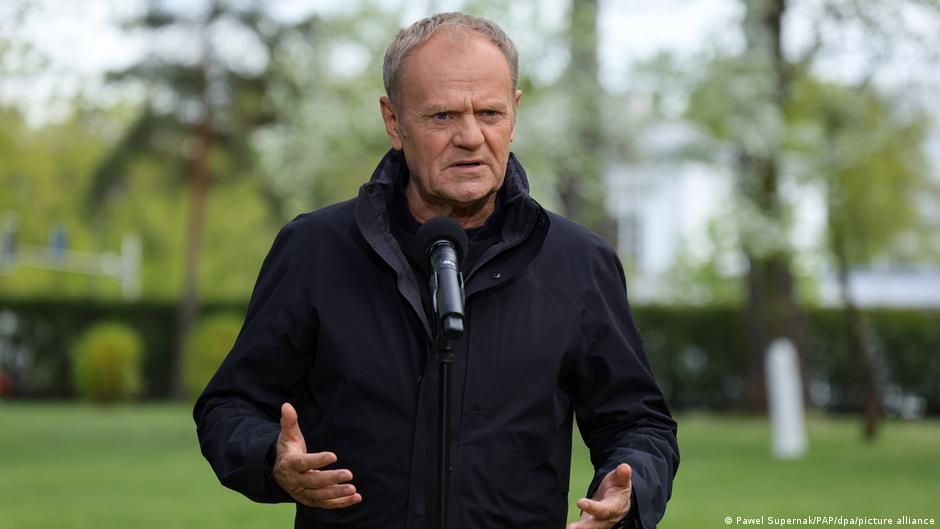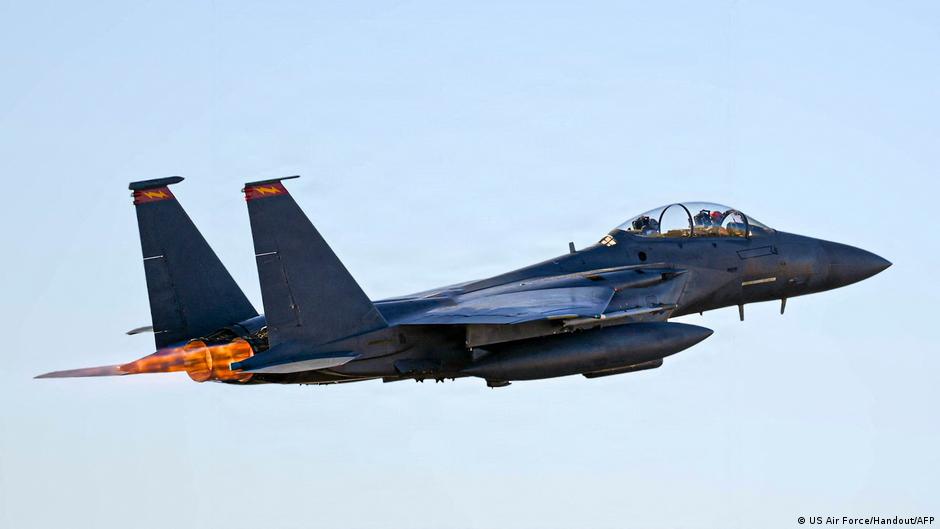
Poland Plans Eastern Border No-Fly Zone as NATO Weighs Wider Response
Poland’s proposed eastern no-fly zone could reshape NATO border policy while adding new considerations for defense budgets, aviation and regional investment.

Poland’s proposed eastern no-fly zone could reshape NATO border policy while adding new considerations for defense budgets, aviation and regional investment.

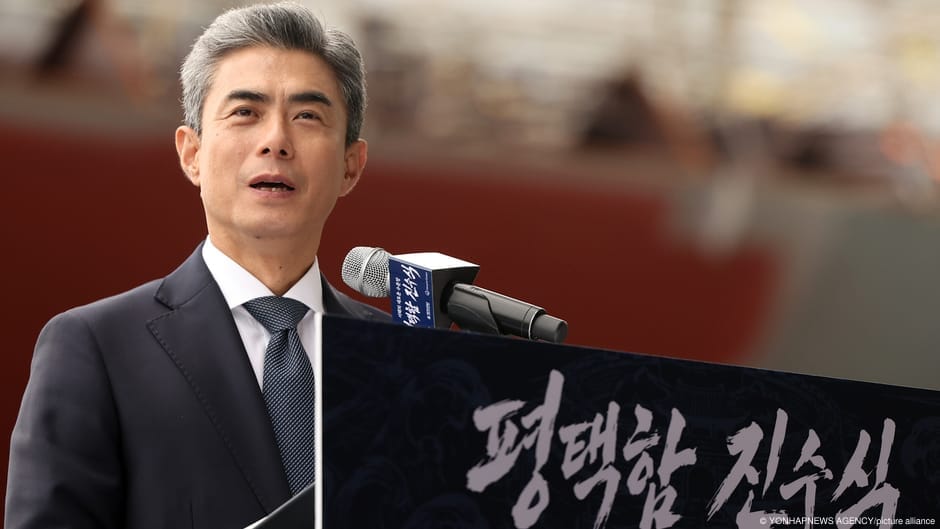
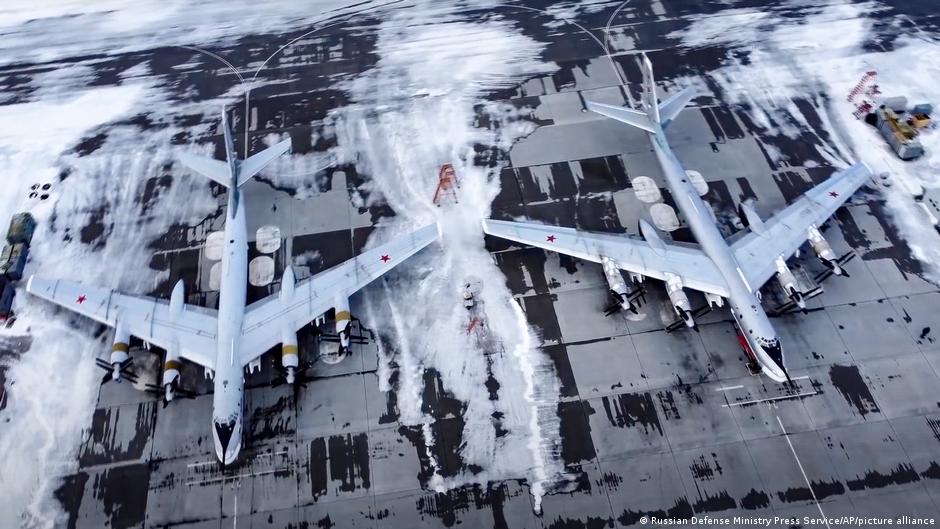
Russian military aircraft briefly entered South Korea’s KADIZ, prompting a fighter response and protest amid shifting Northeast Asian alliances.

Washington’s push for a Ukraine deal before Democrats take Congress could reshape military aid, European defense spending and reconstruction prospects.

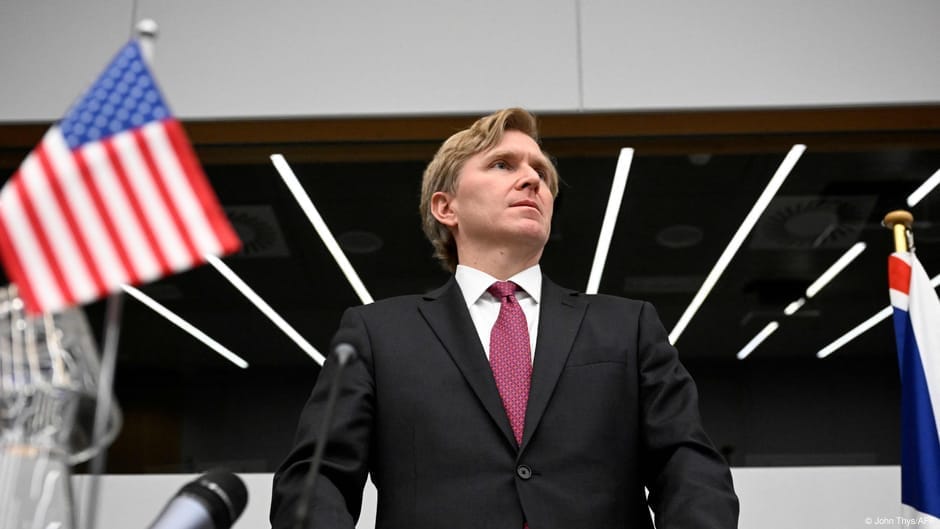
Elbridge Colby’s early departure from a NATO meeting exposes strategic divisions that could reshape European defense budgets and Ukraine’s reconstruction.

European leaders meeting in Berlin will link Ukraine’s negotiating leverage and air defense needs to Europe’s long-term fiscal and security outlook.

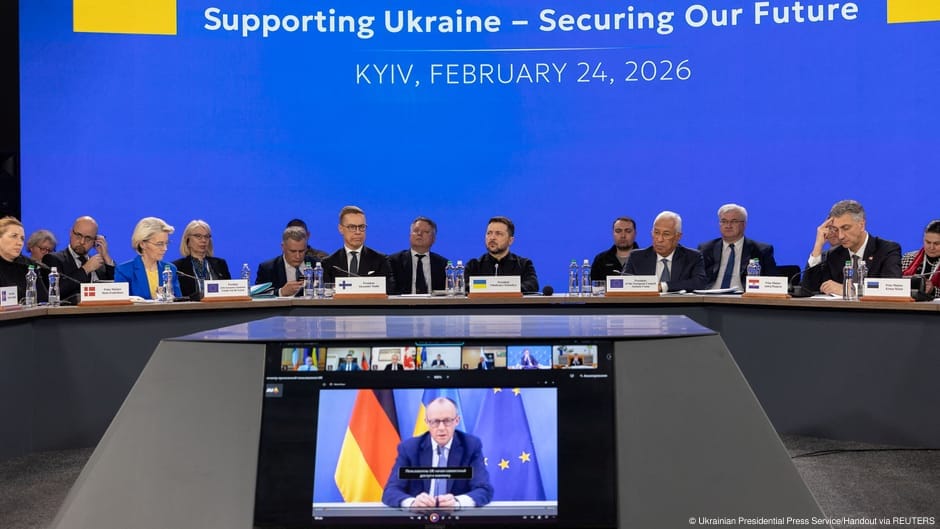
Kyiv wants a unified European position for potential talks with Russia while reviewing allied coalitions and seeking more energy and air-defense support.

Washington is bringing Europe into Ukraine peace talks, a shift with implications for regional security, public finances, investment and long-term economic risk.

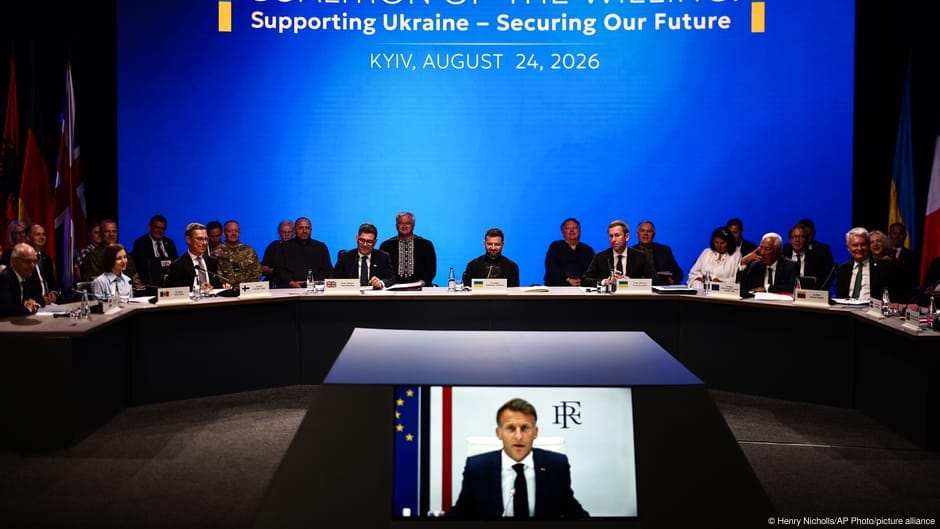
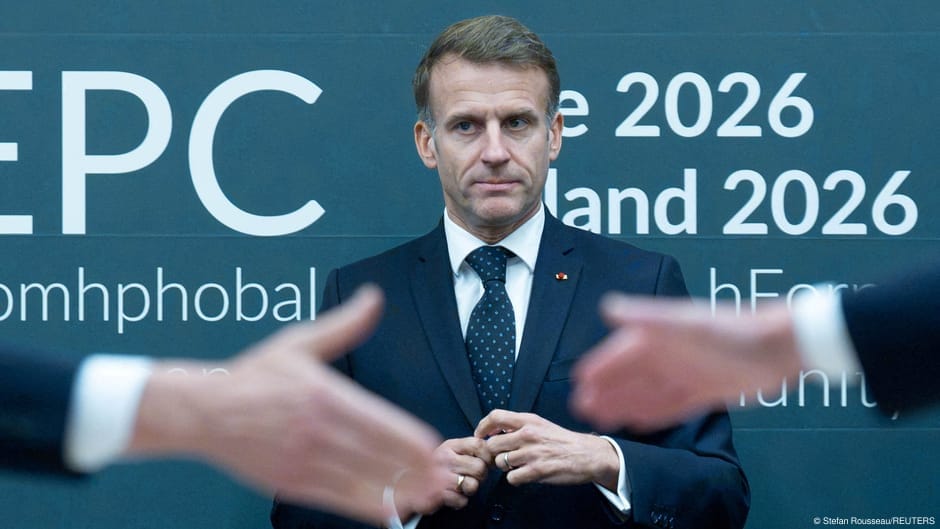
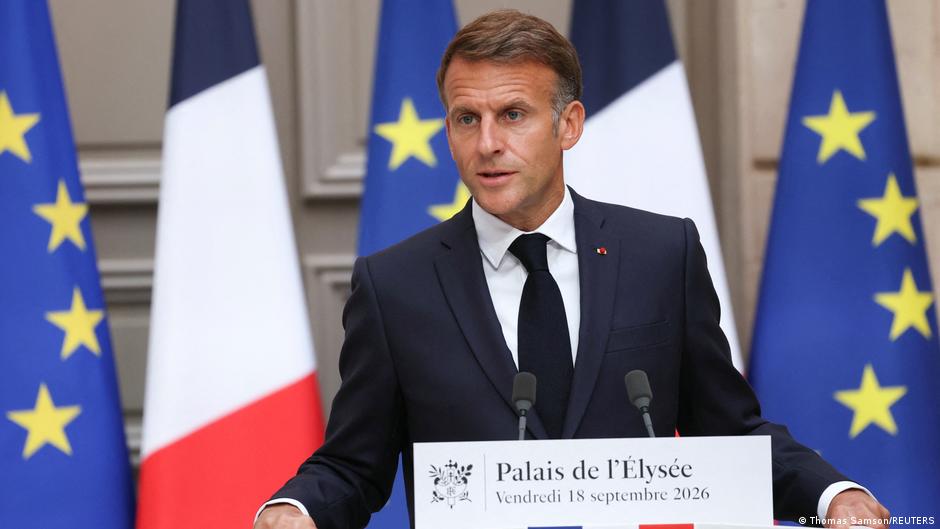
Macron casts Ukraine aid as long-term risk management as fiscal pressures in Poland and Bulgaria expose strains in Europe’s security financing.

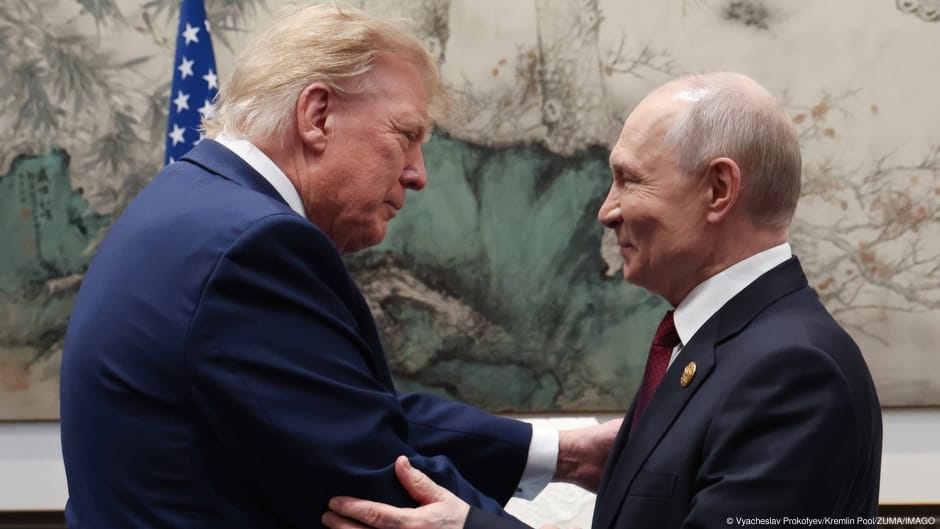
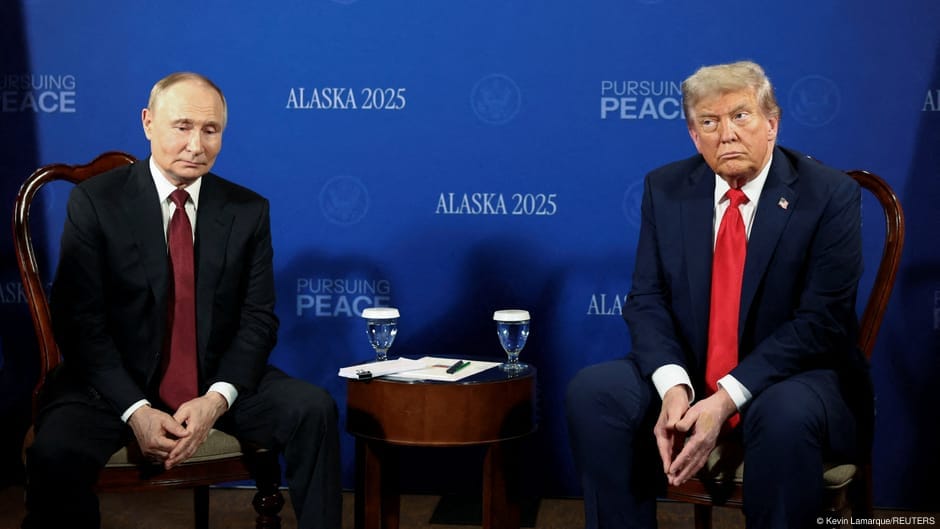
Trump, Putin and Xi are set to open trilateral nuclear arms-control talks at APEC, while Ukraine is expected to remain outside the agenda.

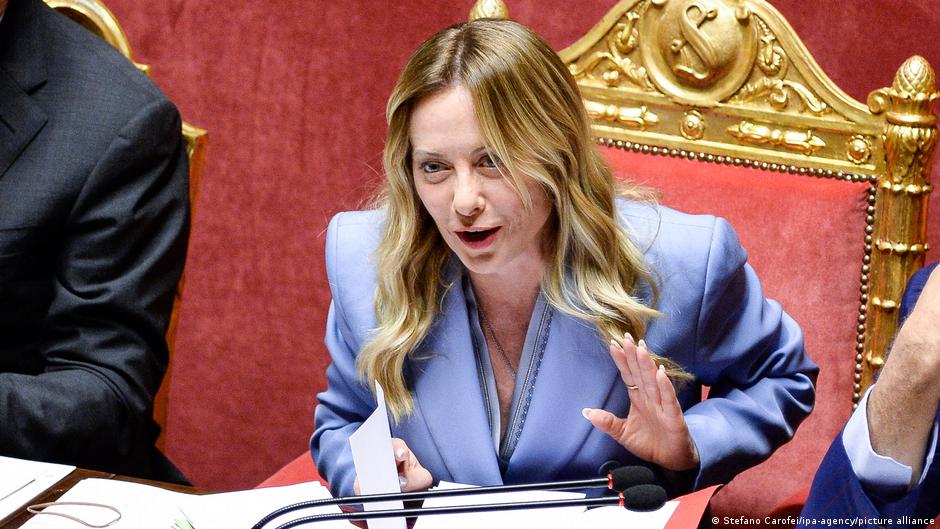
Giorgia Meloni says an agreed EU negotiator is essential to protect Europe’s influence over Ukraine’s security, sanctions and postwar economic settlement.

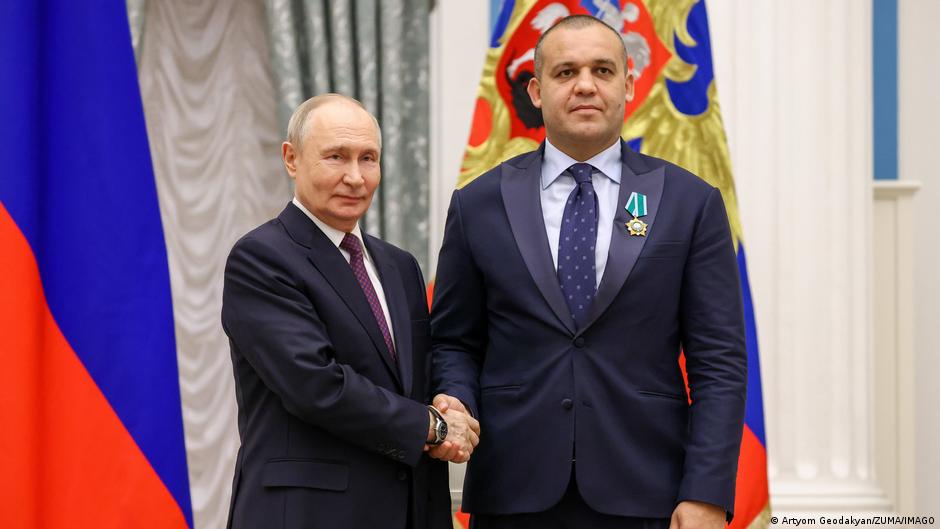
Umar Kremlev says Donald Trump Jr. repaid wedding event costs, intensifying scrutiny over foreign ties, ethics and U.S. policy risk.

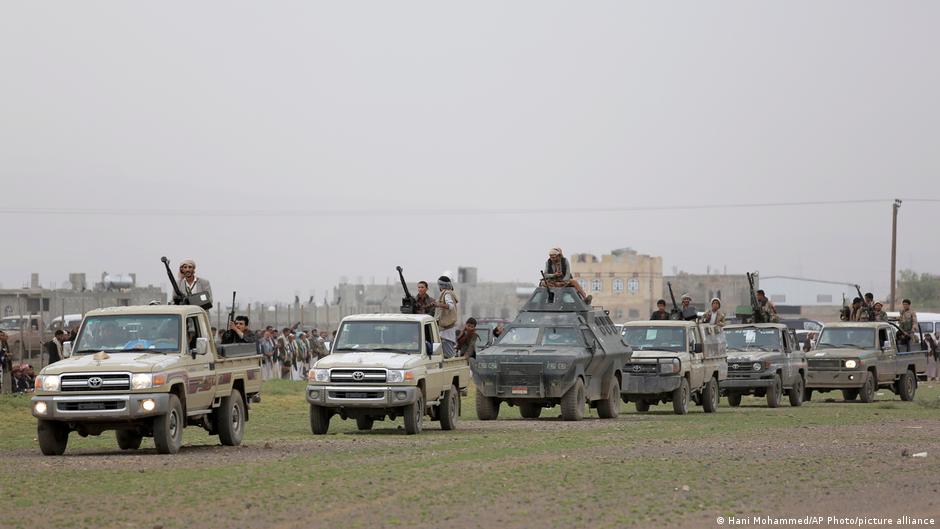
Yemen’s offensive against the Houthis raises risks for Red Sea shipping, energy markets and regional defense alignments.

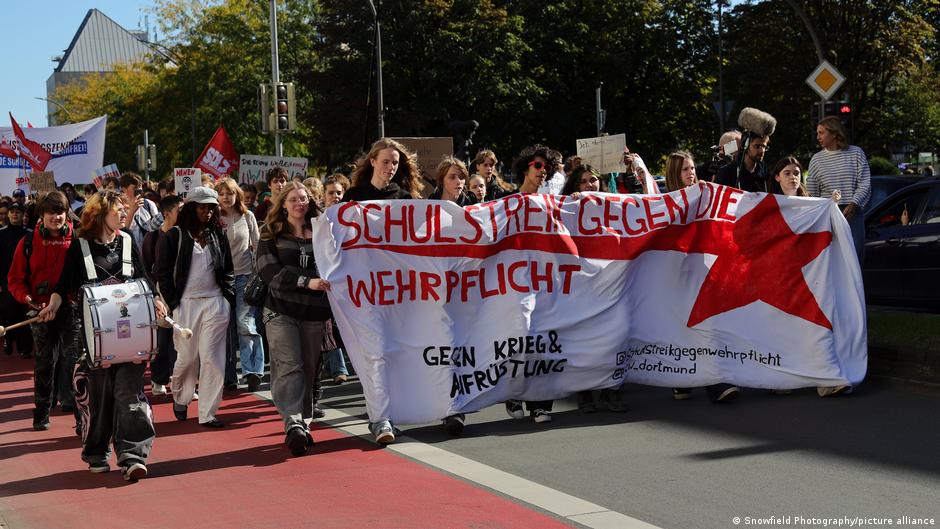
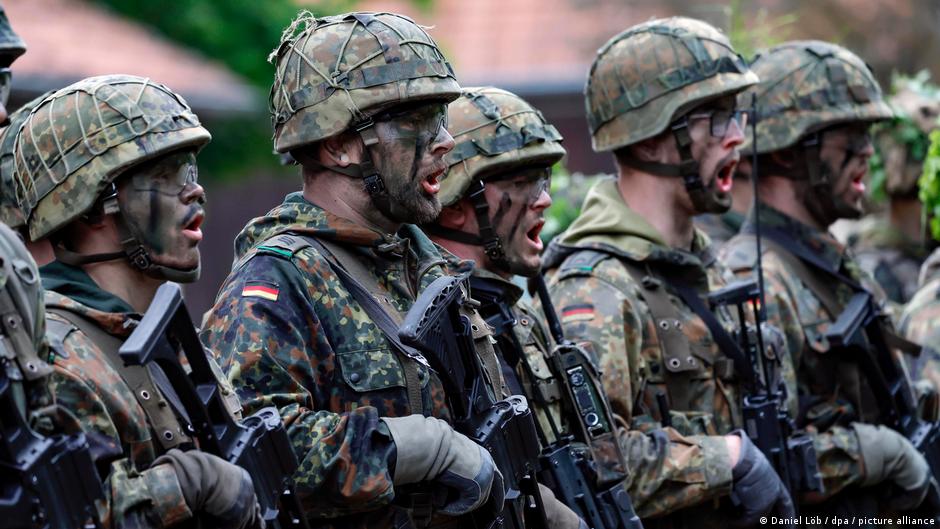
German military opt-out claims tripled in eight months, highlighting manpower, fiscal and labor-market pressures behind Berlin’s defense expansion.

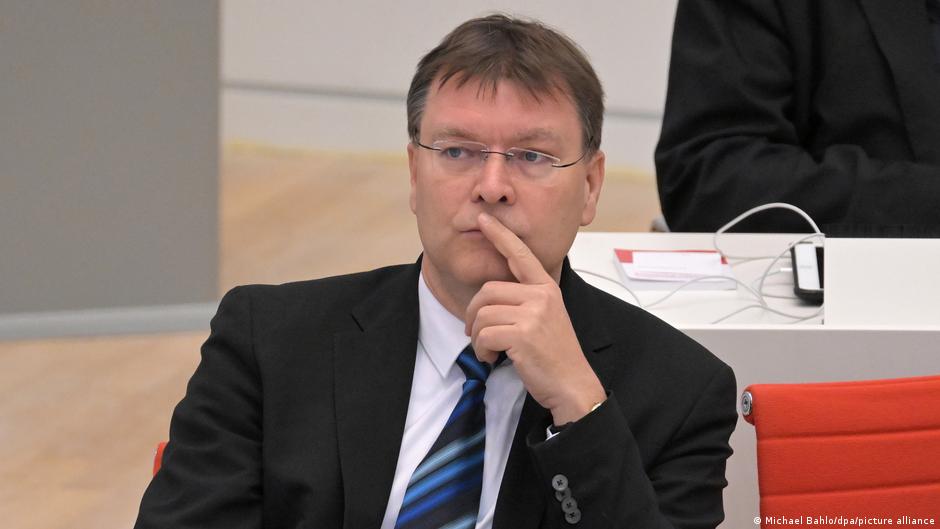
BSW lawmaker Sven Hornauf plans delegations to Belarus and Russia, testing Germany’s local ties amid strategic rupture with Moscow and Minsk.

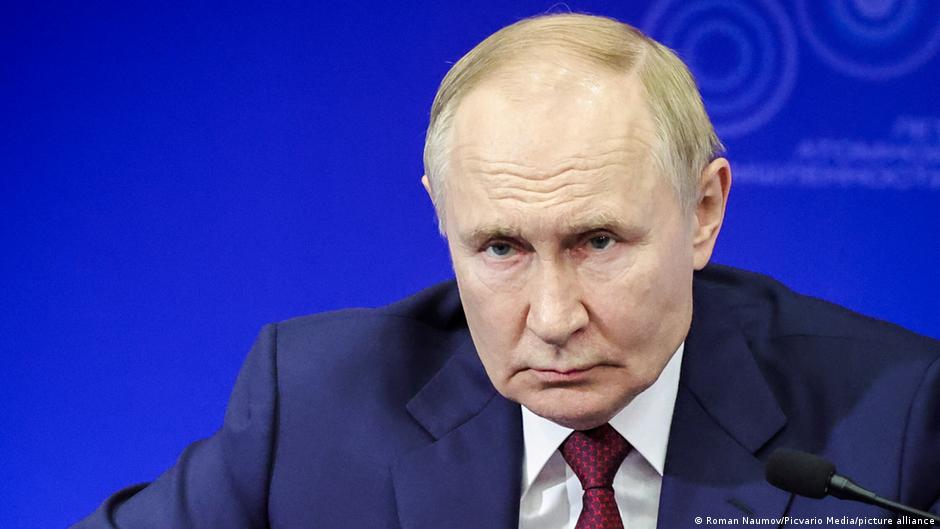
Putin’s Valdai speech sharpened nuclear rhetoric and blamed the West, reinforcing Europe’s long-term geopolitical and economic risk outlook.

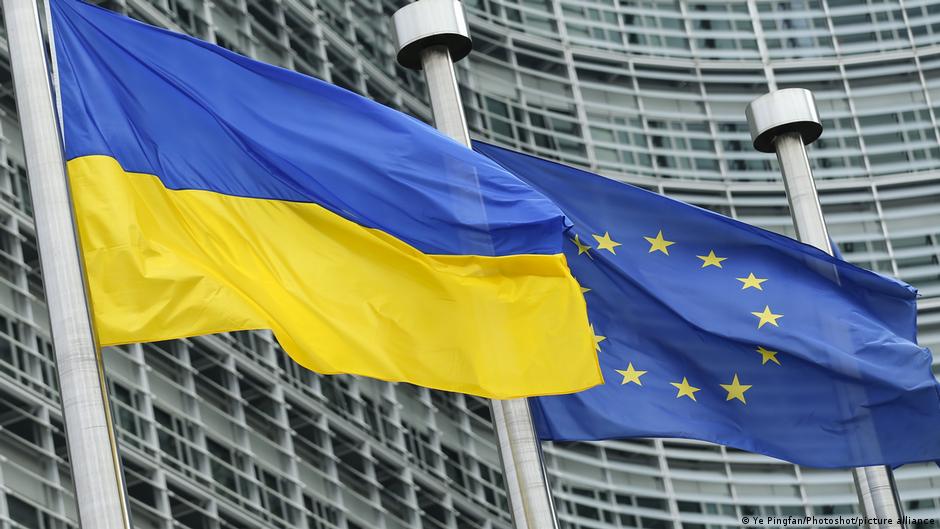
The EU declined to accelerate part of a €90 billion Ukraine loan, seeking wider partner support and reforms as Kyiv faces large funding gaps.

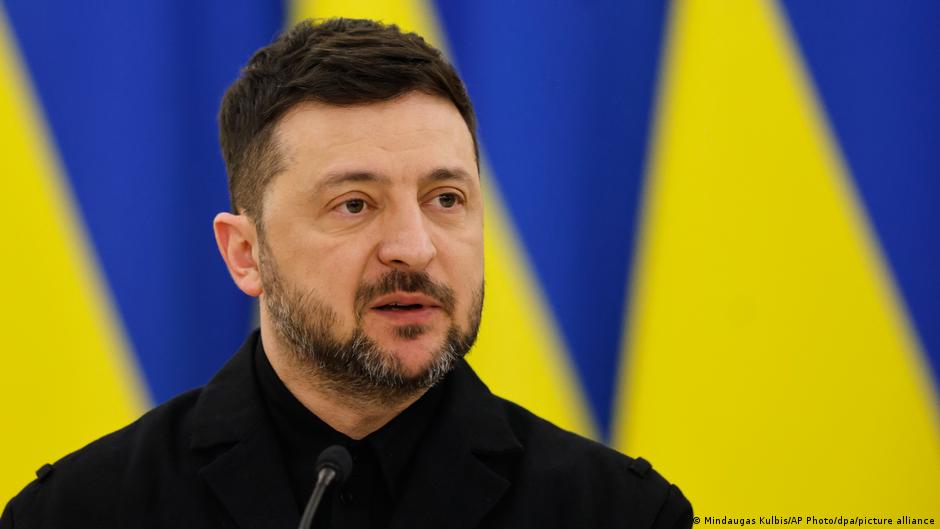
Zelensky says North Korea plans to send about 10,000 more troops to Russia, deepening concerns over Moscow-Pyongyang cooperation.

The EU’s new €710 million aid package links humanitarian relief with migration management, regional stability and long-term fiscal risk.

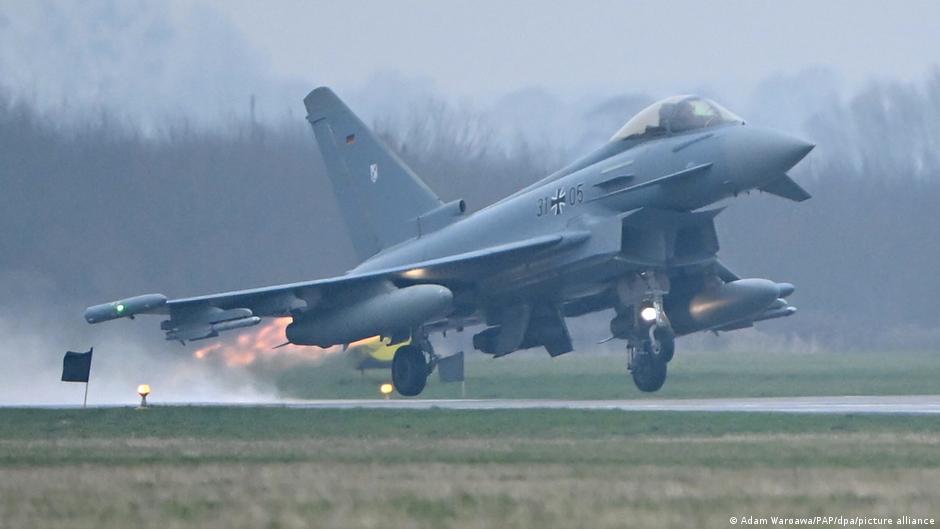
Germany sent four Eurofighters to Latvia for election-period air security, reinforcing NATO’s Baltic deterrence posture amid repeated airspace violations.

Macron says France sees a Russian mobilization of about 300,000 people as plausible, warning Europe could face wider hybrid pressure.

Russia says it will not pause operations for Ukraine talks, even as Washington offers to support ceasefire efforts and keeps channels open.

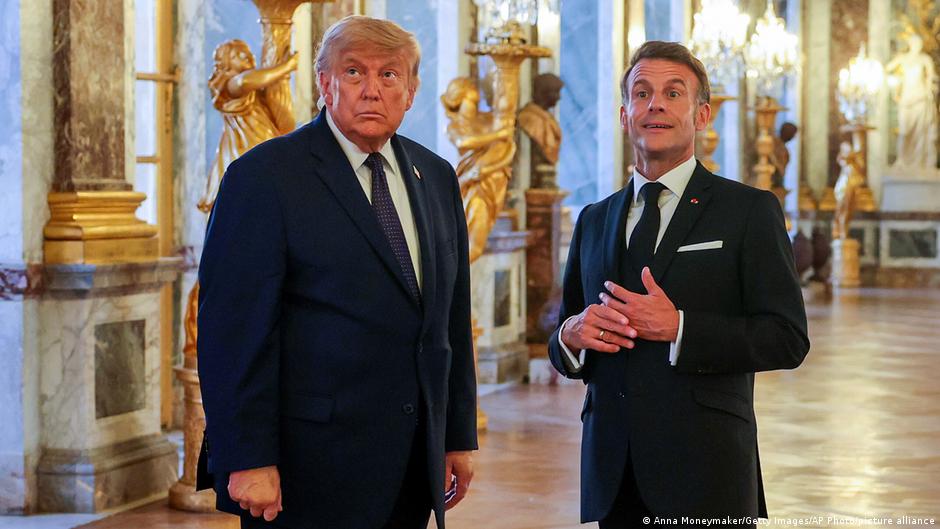
Macron and Trump discussed a moratorium on strikes against Ukraine’s energy and civilian infrastructure and stronger air defenses for Kyiv.

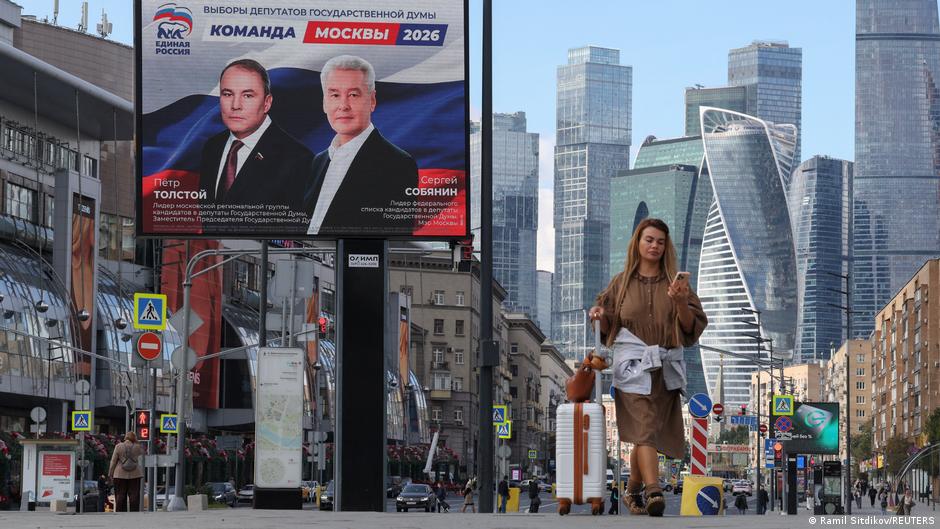
United Russia’s early Duma lead points to a constitutional majority, reinforcing policy continuity and Western sanctions risk.

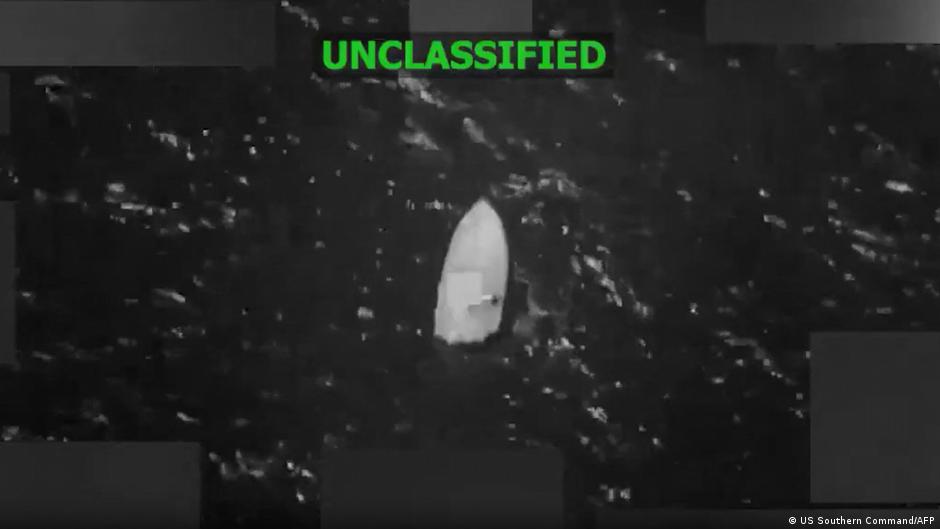
A new U.S. strike on an alleged drug vessel in the Caribbean adds to legal, diplomatic and economic questions around a year-long campaign.

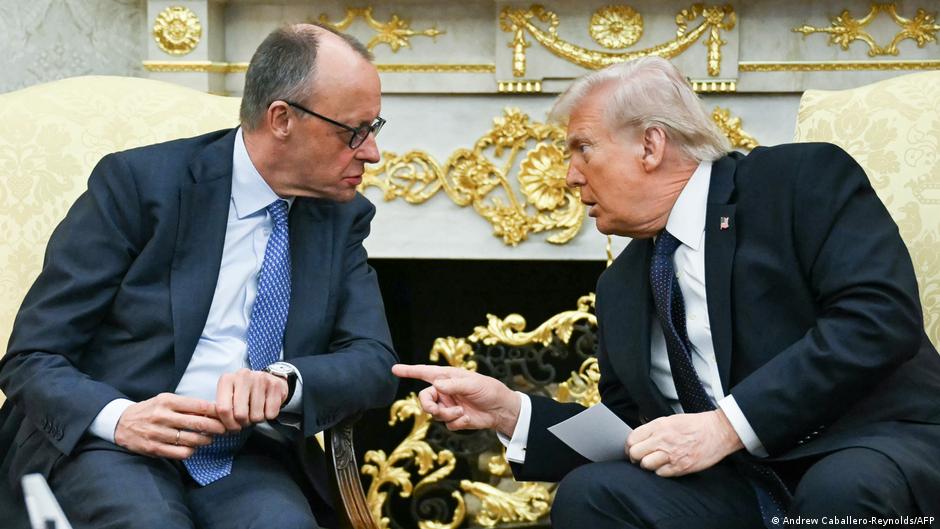
Friedrich Merz says unconditional transatlantic friendship may be over, framing U.S.-German tensions as a strategic test for Germany’s economy.

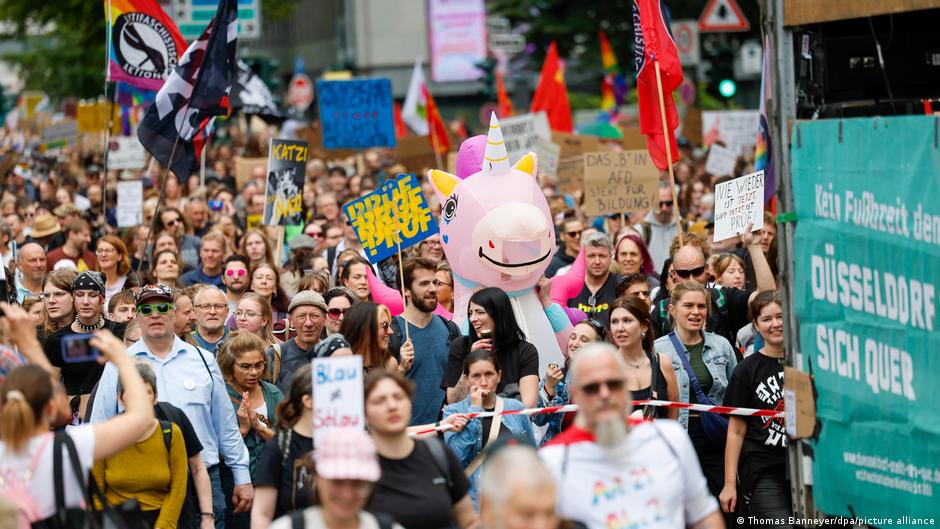
Mass protests across Germany reveal mounting political strain as the AfD gains ground and debate intensifies over bans and cooperation barriers.

Belarus plans wider army readiness checks, including mobilization preparedness, as Ukraine warns of continued regional security risks.

Germany’s foreign minister says Berlin’s defense industry should benefit from Ukraine support, tying aid policy to taxpayer and industrial interests.

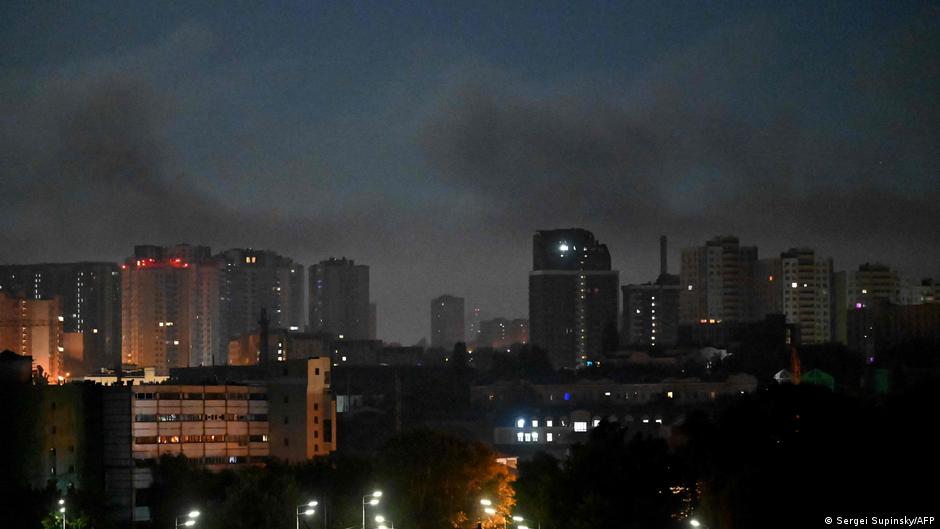
Russian drone and missile strikes hit Kyiv and nearby industrial sites as Ukraine and Russia signal openness to a possible trilateral talks format.

AfD’s strong Saxony-Anhalt result drew sharp reactions from Poland, France and the Czech Republic, raising wider EU policy concerns.

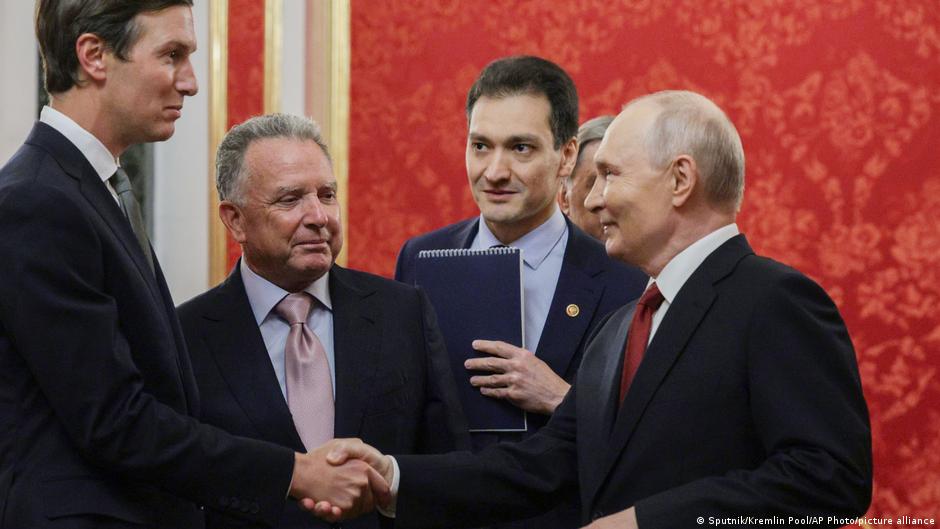
U.S. envoys discussed concrete Ukraine peace plans with Putin before Kyiv talks, raising major questions for sanctions, security and markets.

Germany confronts escalating hybrid warfare threats, including explosive drone attacks, prompting new technological defenses amid rising geopolitical tensions in Europe.

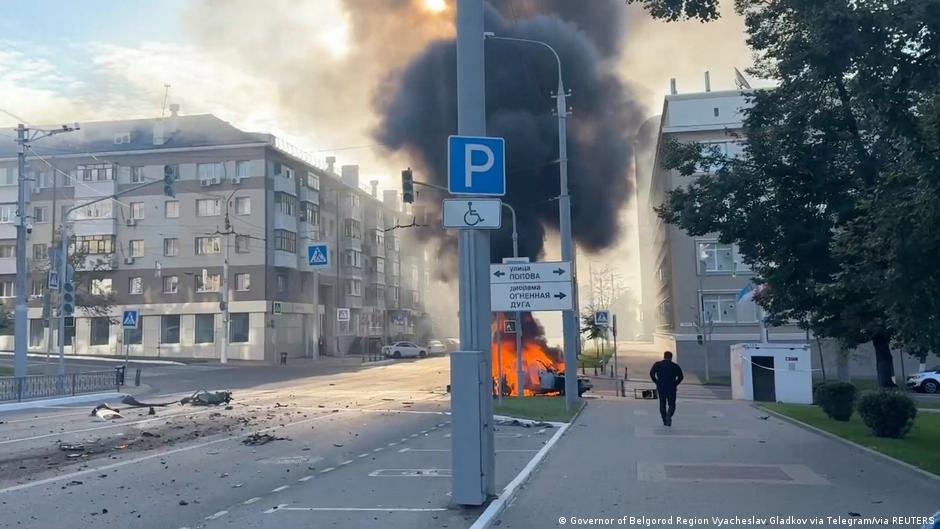
Drone attacks on the Russian border city Belgorod caused injuries and significant damage to residential and energy infrastructure, raising concerns about regional stability and economic impacts.

The death of Lieutenant General Igor Yerusalimov in a Moscow restaurant explosion signals heightened risks within Russian military leadership amidst the Ukraine conflict.

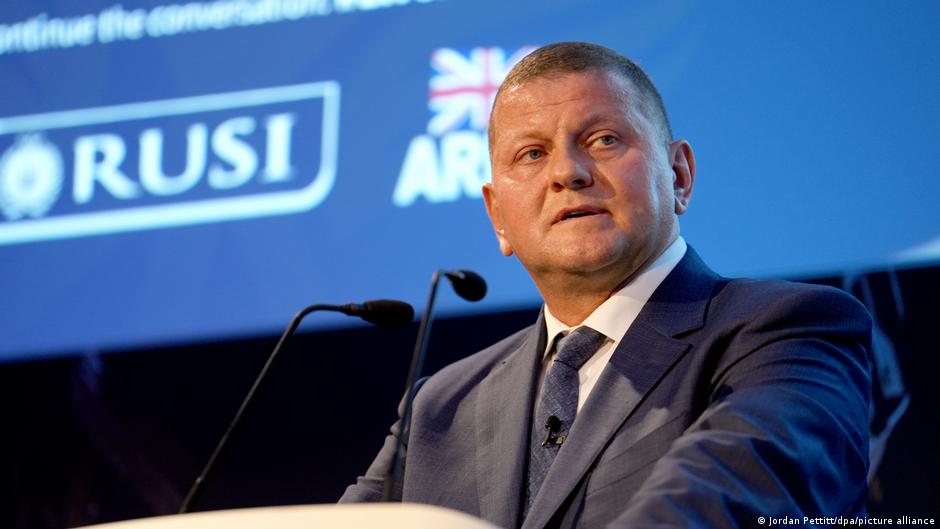
Ukraine’s former military chief Valeriy Zaluzhny forecasts slim chances of NATO membership, urging Kyiv to pursue emerging regional defense coalitions amid evolving security dynamics.

NATO is contemplating deployment of tactical nuclear weapons in Finland, Poland, and Lithuania, marking a strategic shift amid rising security tensions with Russia.

Russian missile and drone attacks across Ukrainian cities cause civilian casualties and infrastructure damage, raising concerns about regional stability and global economic impacts.

Drone strikes on Russian cities Belgorod, Rostov-on-Don, and Engels highlight increasing security risks and potential economic disruptions to critical infrastructure.

US military casualties in the Iran conflict have risen to 17, accompanied by increased US military deployments and retaliatory strikes, impacting global economic and security dynamics.

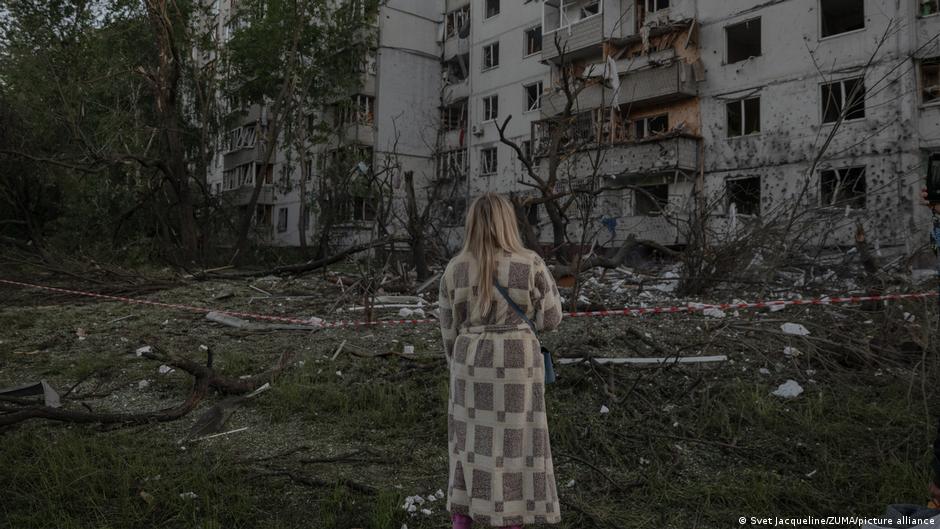
Russian missile and drone strikes on Kyiv and Kharkiv escalate conflict, threatening Ukraine's economic stability and regional markets.

Germany plans a record €124.7 billion defense budget for 2026, marking a 25.5% rise and signaling a major shift in European security and economic policy.

Germany’s 2027 budget increases defense spending and borrowing amid Russian security concerns, raising questions about economic growth and fiscal sustainability.

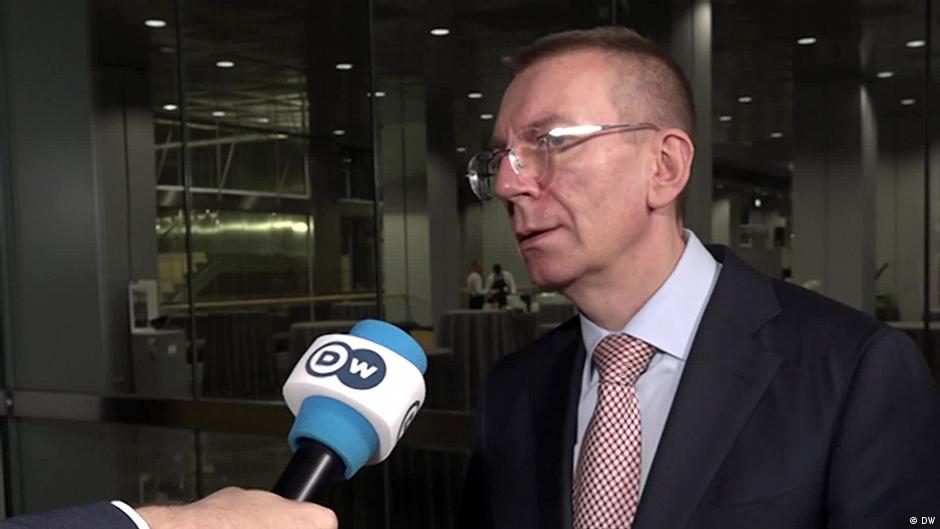
Latvian President Edgars Rinkēvičs warns NATO to prepare for potential escalation with Russia, stressing the need for increased military capabilities and clear deterrence signals to Moscow.

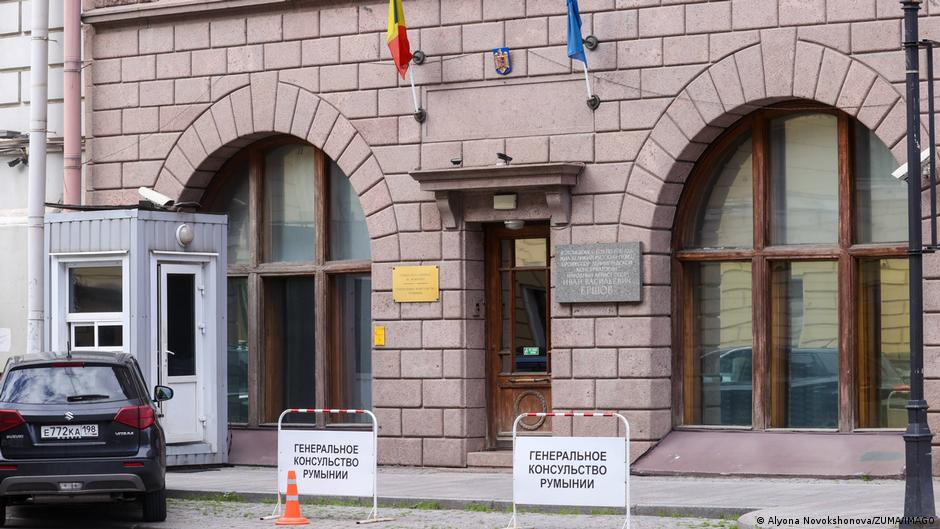
Russia closes Romania’s consulate in St. Petersburg after Bucharest shut the Russian consulate in Constanța following a drone incident in Galați, raising regional security concerns.

Russia launched ballistic missile strikes on Kyiv and other Ukrainian cities soon after the G7 pledged increased support for Ukraine, signaling a potential escalation with broad economic implications.

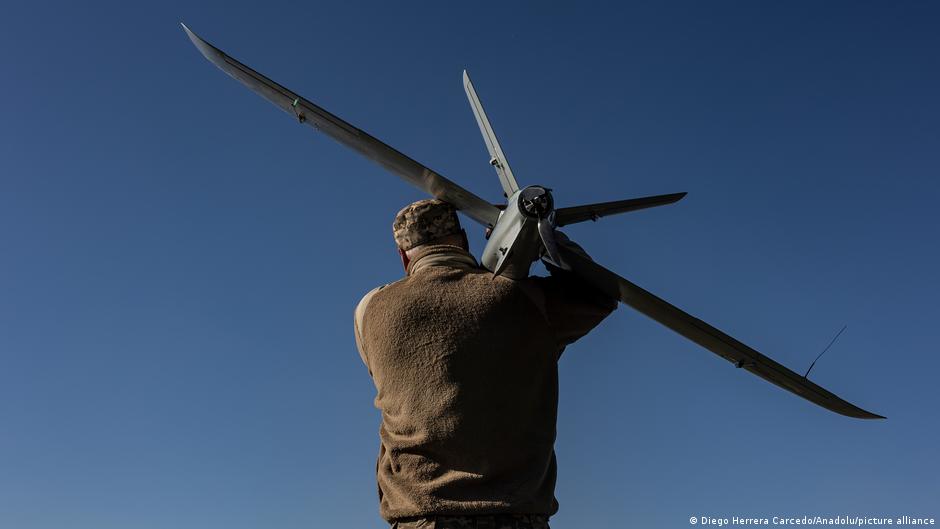
Coordinated drone attacks across Russian regions have targeted key industrial and transport infrastructure, risking disruptions to production and broader economic stability.

The US plans major cuts to fighter jets, naval vessels, and troops in Europe, signaling a strategic shift towards the Indo-Pacific with implications for NATO's operational capabilities and alliance burden-sharing.

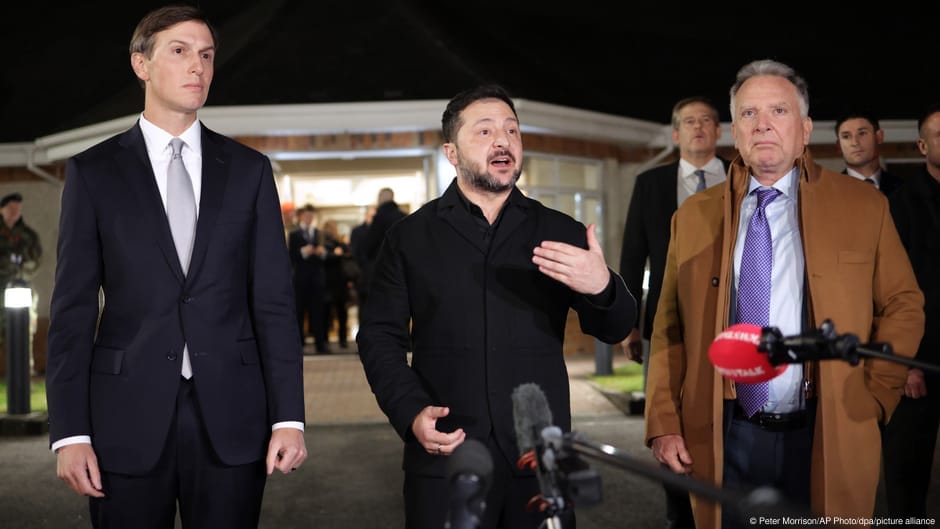
Ukrainian President Zelensky held a positive discussion with Trump envoys to boost diplomacy aimed at ending the Russia-Ukraine war, amid broader European summit talks.

Israel and Iran exchanged air and missile strikes amid US efforts to broker a peace deal, raising the stakes for regional security and global economic stability.

The US House restricts presidential war powers on Iran in a bipartisan vote, reflecting growing congressional resistance and potential impacts on global stability.