Russia Launches Ballistic Missile Strikes on Kyiv Following G7’s Pledge to Boost Ukraine Aid
Russia conducted missile attacks on Kyiv and other Ukrainian cities shortly after G7 countries vowed increased support for Ukraine.
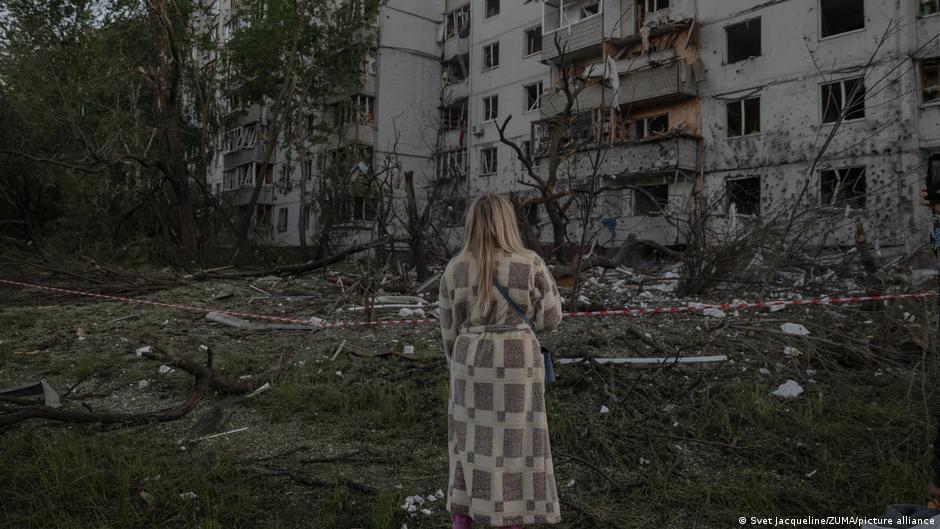
In a dramatic escalation of the ongoing conflict, Russia launched ballistic missile strikes on Kyiv during the night of June 18, shortly after the Group of Seven (G7) nations promised to increase their assistance to Ukraine. The attack signals a potential intensification of hostilities amid shifting geopolitical dynamics and raises significant concerns about broader global economic and policy repercussions.
Implications of Russia’s Missile Strikes Amid G7’s Support for Ukraine
The missile attack came swiftly after the G7 countries publicly committed to amplifying their military and economic aid to Ukraine. Air raid sirens blared across Kyiv, alerting residents to seek shelter as ballistic missiles were intercepted by Ukrainian air defenses. Explosions echoed not only in Kyiv but also in other Ukrainian cities such as Poltava, Sumy, and regions within Zaporizhzhia, with reports of power outages and infrastructure damage emerging.
"Be in safe locations until the air raid warning is lifted," urged Timur Tkachenko, head of Kyiv’s military administration, highlighting the immediate threat to civilian safety.
This surge in attacks can be interpreted as a retaliatory measure by Russia in response to international support consolidating behind Ukraine. It underscores the heightened risks of further military escalation, which could destabilize the region and strain global economic systems already grappling with pandemic recovery and inflationary pressures.
Macro-Economic and Geopolitical Consequences
The renewed missile strikes have several critical macroeconomic implications. First, the continuation and possible intensification of conflict in Ukraine threaten to disrupt energy supplies, particularly natural gas exports from Russia to Europe, exacerbating existing energy market volatility. This instability drives inflation and complicates monetary policy efforts globally.
Second, the conflict’s persistence pressures governments in the West to increase defense spending and humanitarian aid, potentially redirecting fiscal resources and impacting budgetary priorities. This reallocation may affect global investment flows, economic growth trajectories, and trade relations, especially with regard to sanctions on Russia and countermeasures.
Moreover, the missile attacks amidst G7 support reaffirm the geopolitical fault lines dividing major economies, potentially prolonging uncertainties in international markets. The heightened risk premium on commodities such as oil, wheat, and metals could drive up costs globally, deepening economic disparities and food security challenges, particularly in vulnerable regions.
In the long term, the conflict and its associated policy shifts could reshape global alliances and economic blocs, influencing supply chain realignments and strategic economic partnerships. Senior decision-makers must thus closely monitor these developments to navigate risks and opportunities arising from this evolving geopolitical landscape.