Russian Missile and Drone Strikes on Kyiv and Kharkiv Signal Escalation with Economic Risks
Combined Russian attacks on Kyiv and Kharkiv mark intensified conflict with potential broader economic consequences for Ukraine and global markets.

In the early hours of July 16, Russian military forces launched a coordinated assault targeting key Ukrainian cities, Kyiv and Kharkiv, using ballistic missiles and drones respectively. These attacks not only inflicted human casualties and infrastructure damage but also pose significant challenges for Ukraine's economic stability and the broader regional economy.
Details of the Attacks and Immediate Impact
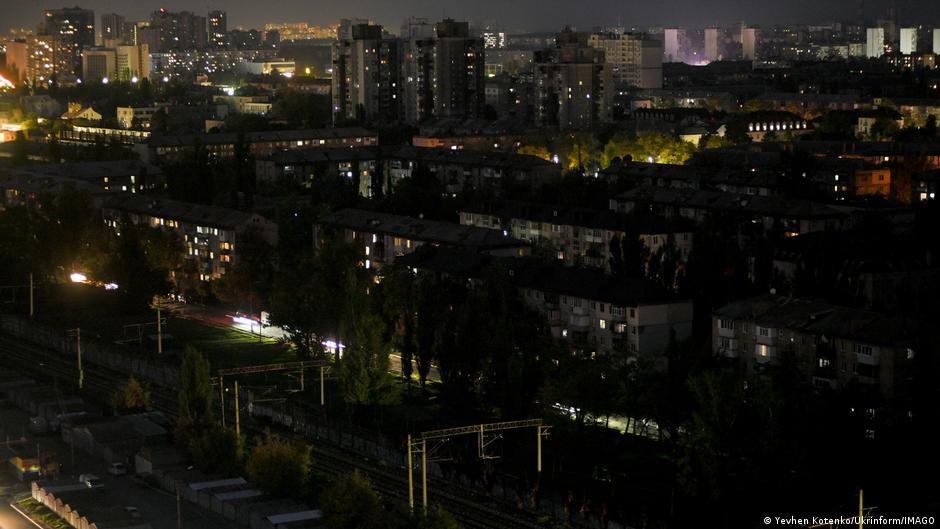
Kyiv, the capital of Ukraine, was hit by a series of ballistic missile strikes resulting in powerful explosions and widespread fires. According to reports, at least four missiles struck various parts of the city overnight, including non-residential areas in the Darnytskyi and Sviatoshynskyi districts. Fires broke out in warehouses and other facilities, exacerbating the destruction. Kyiv's mayor confirmed two fatalities and six injuries, underscoring the human toll of the attacks.
Simultaneously, the city of Kharkiv suffered drone strikes targeting the Kyivskyi and Shevchenkivskyi districts. Among the damages reported were a cinema building, parking facilities, tennis courts, and a garage cooperative. Additionally, there were reports of drone strikes impacting residential areas, including a home in the Nemishlianskyi district.
"The drone strikes in Kharkiv caused damage to cultural and recreational facilities, further undermining the city's infrastructure," noted local officials.
Neither Kyiv nor Kharkiv officials have yet provided comprehensive casualty figures beyond initial reports.
Macroeconomic and Policy Implications
The intensified Russian military operations have far-reaching economic implications beyond immediate destruction. Ukraine's urban centers are critical hubs for economic activity, logistics, and administrative governance. Disruptions caused by missile and drone strikes threaten supply chains, reduce industrial output, and present risks to investment confidence.
Moreover, damage to infrastructure and civilian areas necessitates increased government spending on emergency response and reconstruction at a time when Ukraine’s economy is already under severe strain due to ongoing conflict. This fiscal pressure may influence Ukraine’s budgeting priorities, potentially diverting funds from development projects or social programs.
On a broader scale, the escalation adds uncertainty to the geopolitical environment, impacting global markets sensitive to Eastern European stability. Energy and commodity markets, in particular, could experience volatility given Ukraine's role in regional transport corridors and agricultural exports.
Policy-makers worldwide must monitor the situation closely, as further escalation could prompt shifts in international economic assistance, sanctions regimes, and defense spending priorities. The conflict's persistence underscores the necessity for strategic economic resilience planning within Ukraine and allied nations.