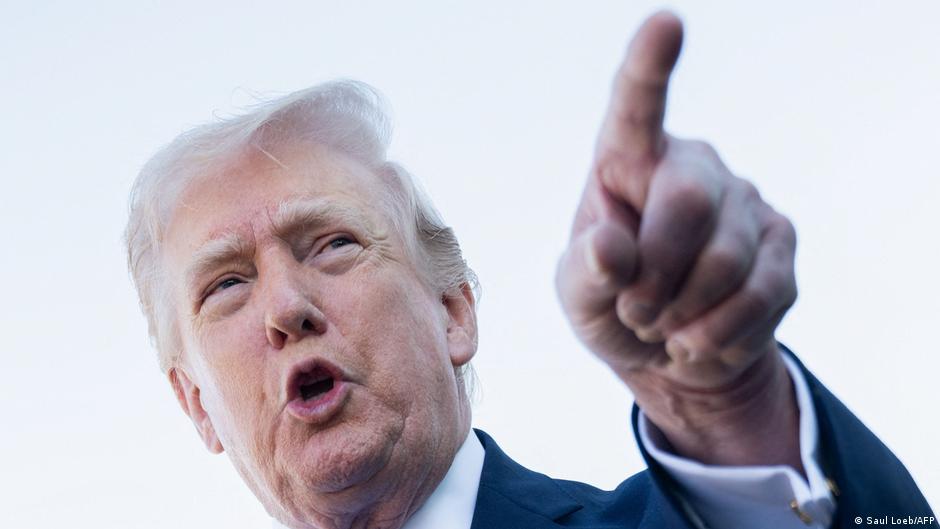
US House Passes Resolution Restricting Presidential War Powers on Iran
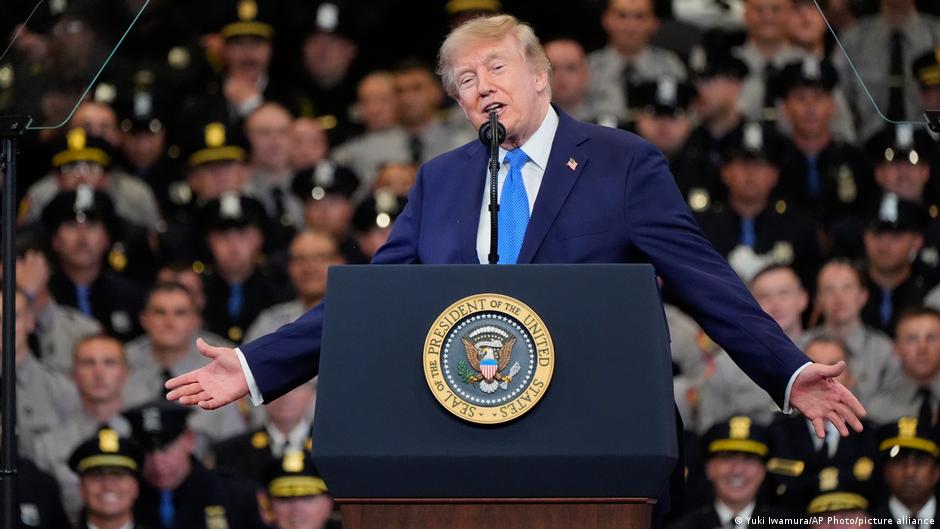
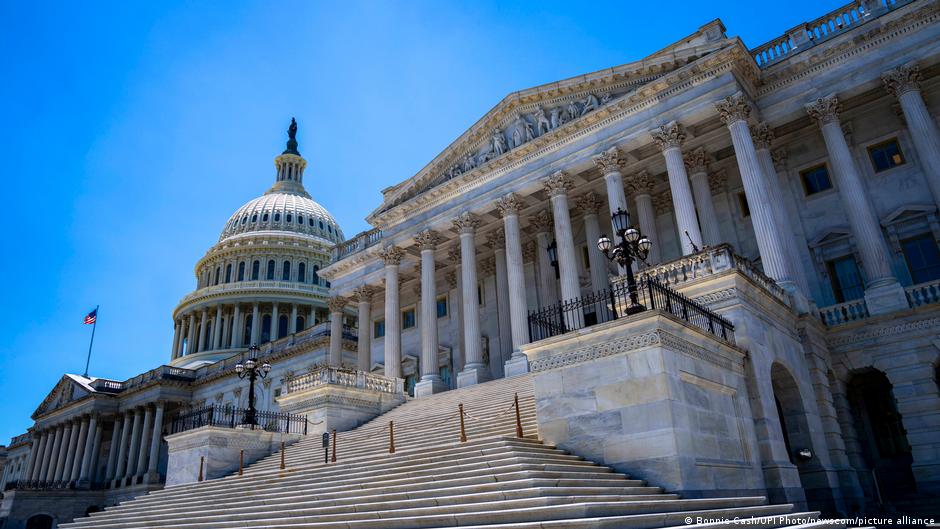
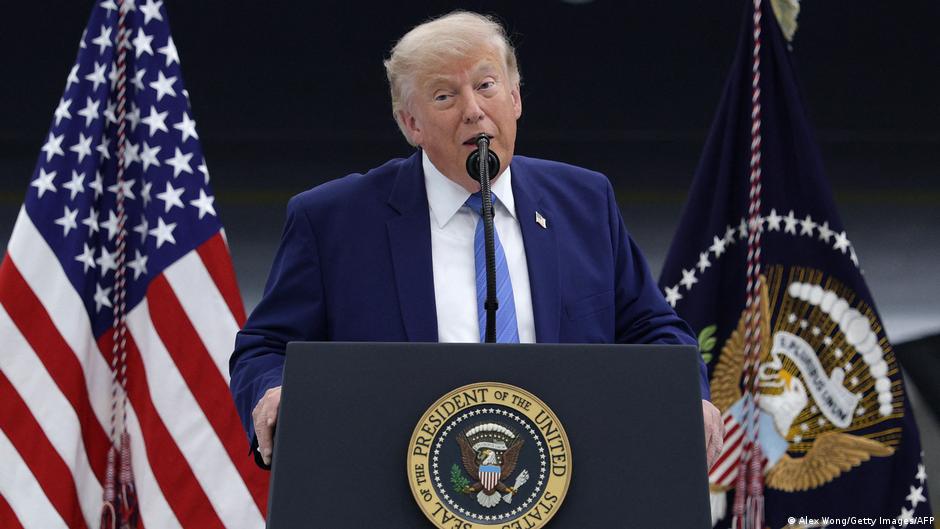
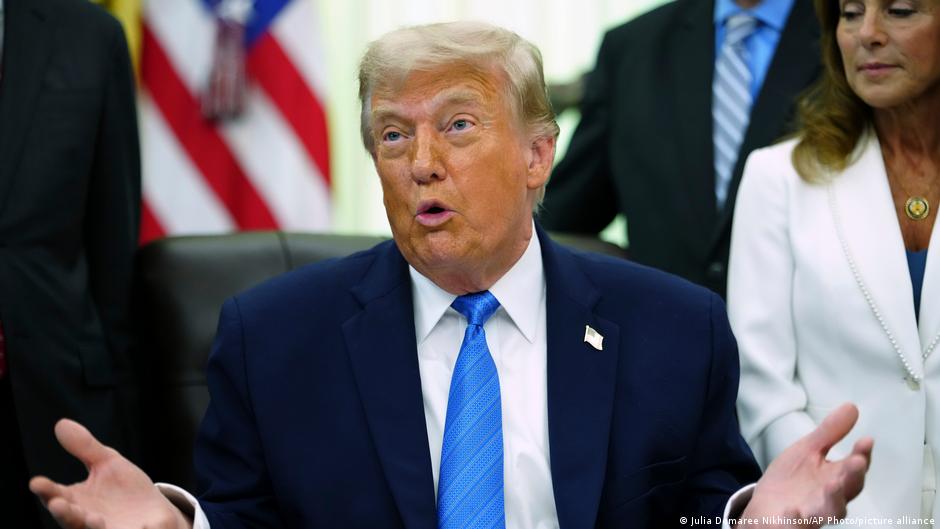
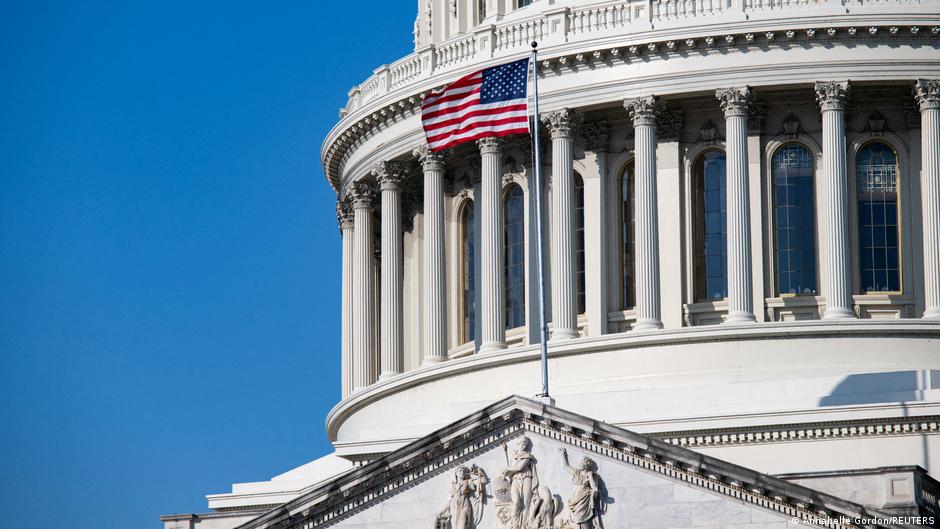
The US House restricts presidential war powers on Iran in a bipartisan vote, reflecting growing congressional resistance and potential impacts on global stability.

The US House restricts presidential war powers on Iran in a bipartisan vote, reflecting growing congressional resistance and potential impacts on global stability.

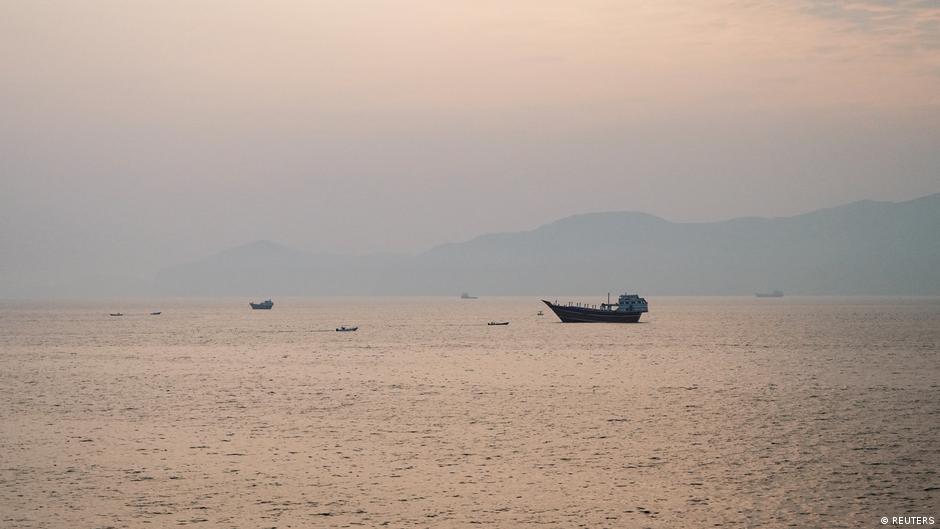
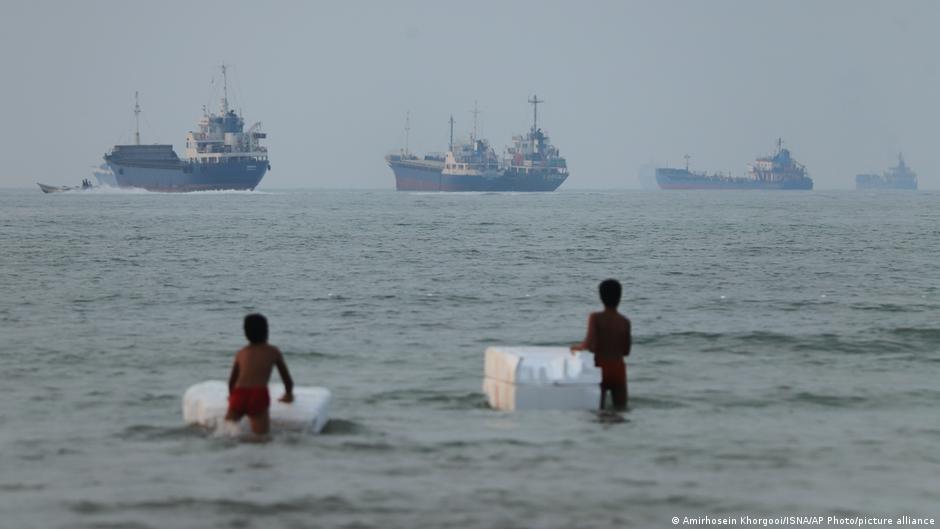
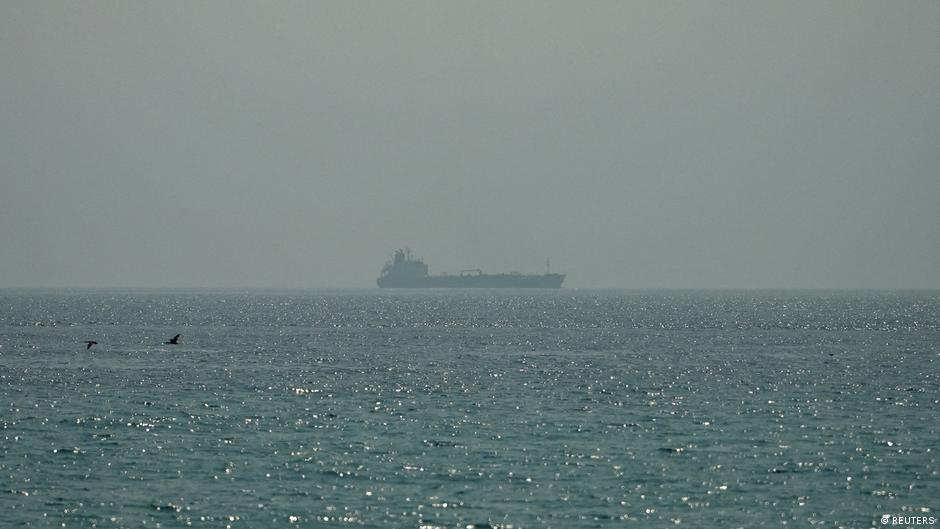
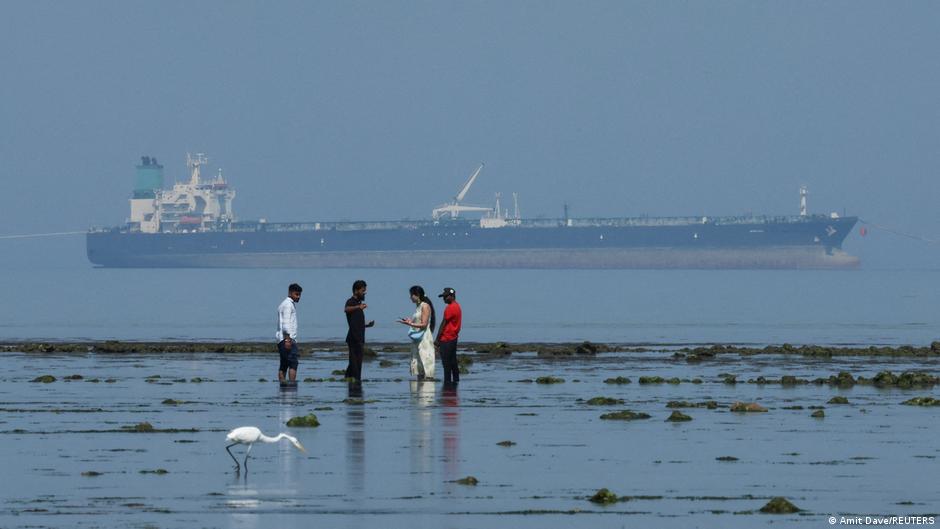
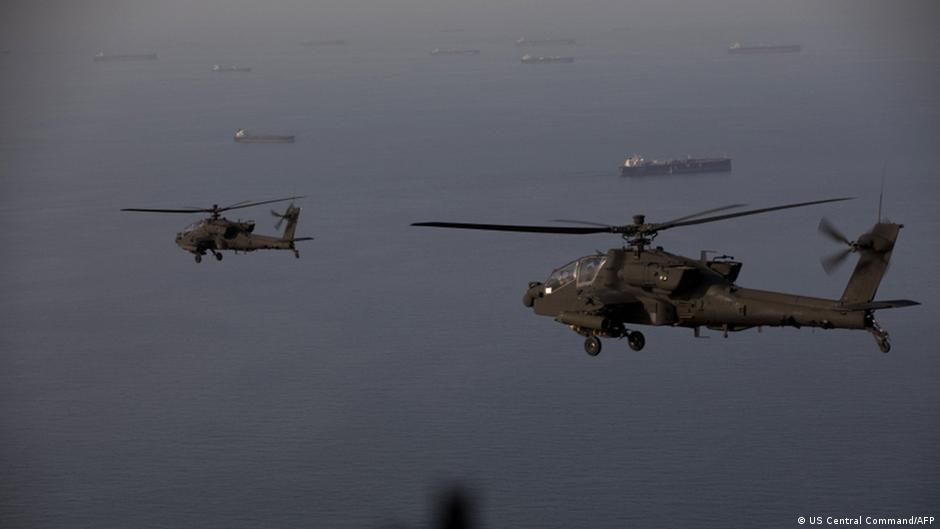
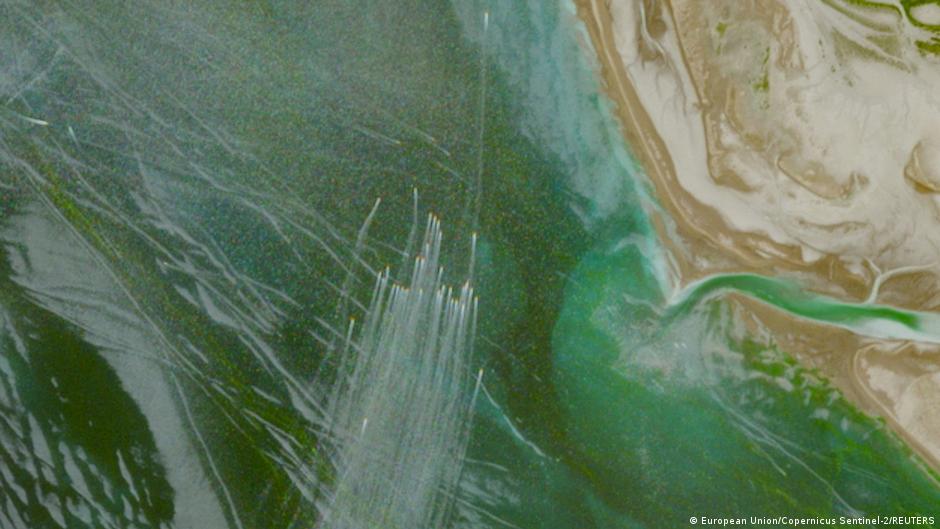
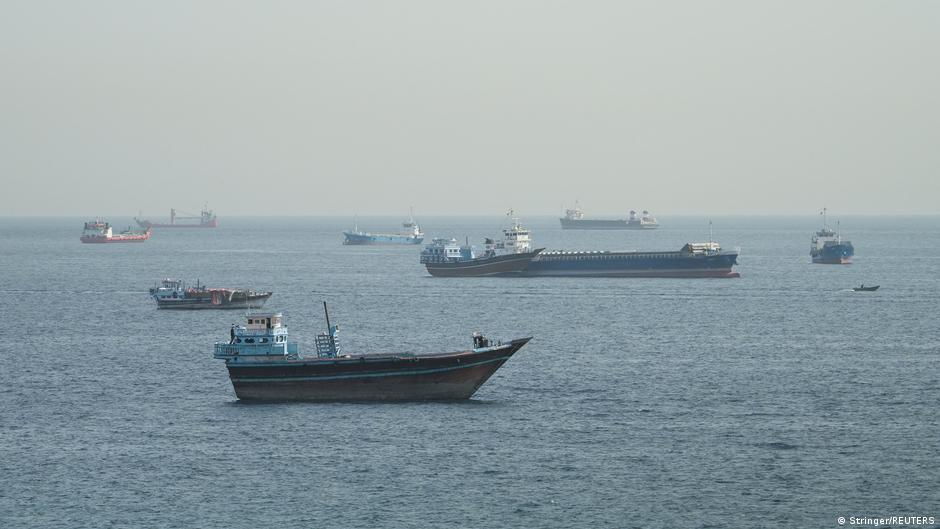
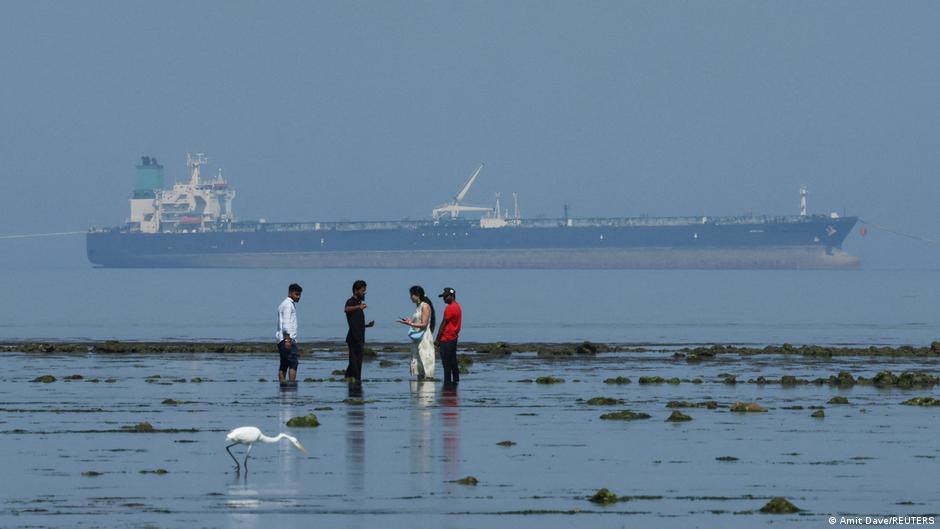
The US has covertly aided around 70 commercial ships navigating Iran-blocked Strait of Hormuz, reflecting heightened geopolitical tensions and risks to global energy supplies.

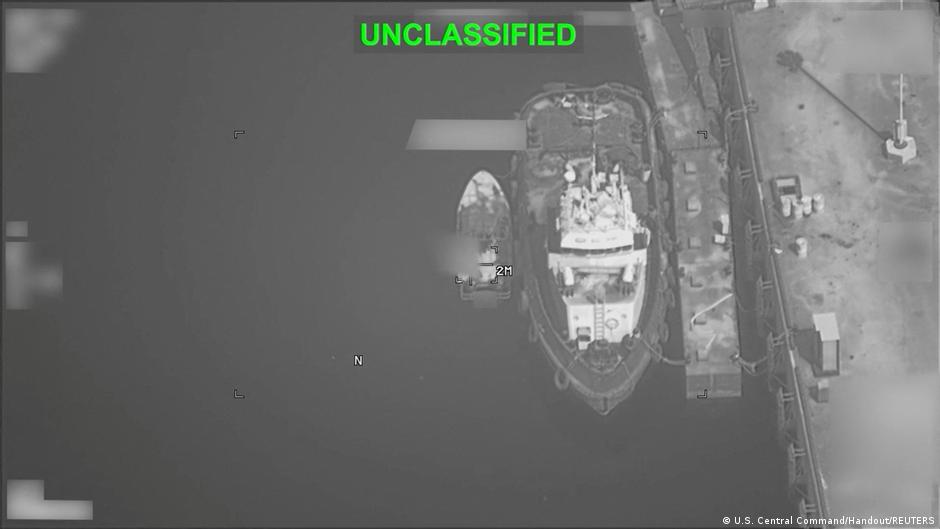
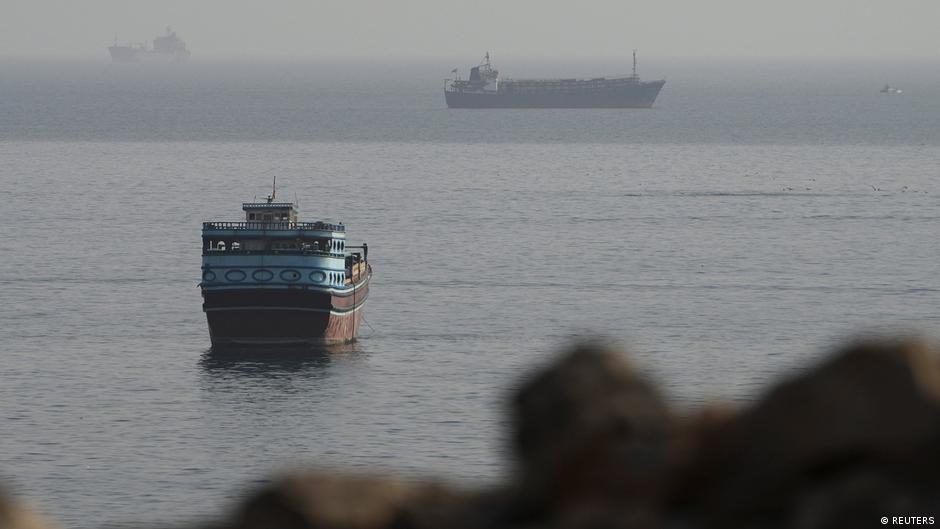
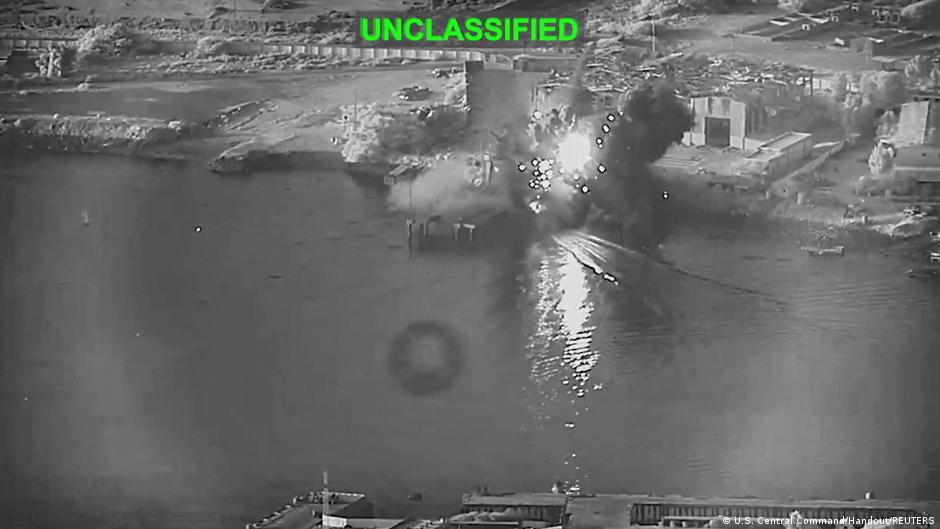
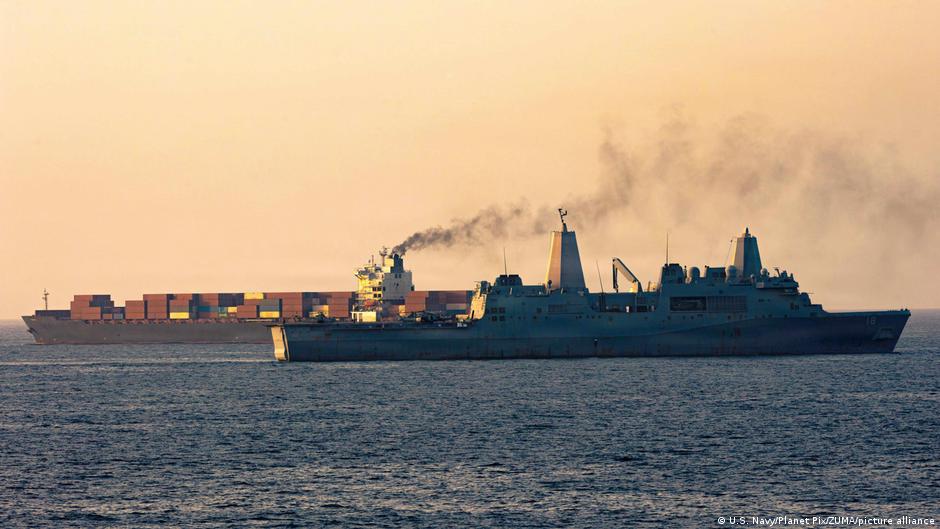
The US military disabled a Gambian-flagged ship heading to Iran, enforcing a Strait of Hormuz blockade amid escalating regional tensions and impacting global trade routes.

The UK has issued an indefinite license to import diesel and kerosene derived from Russian oil via third countries, easing sanctions amid global energy and economic pressures.

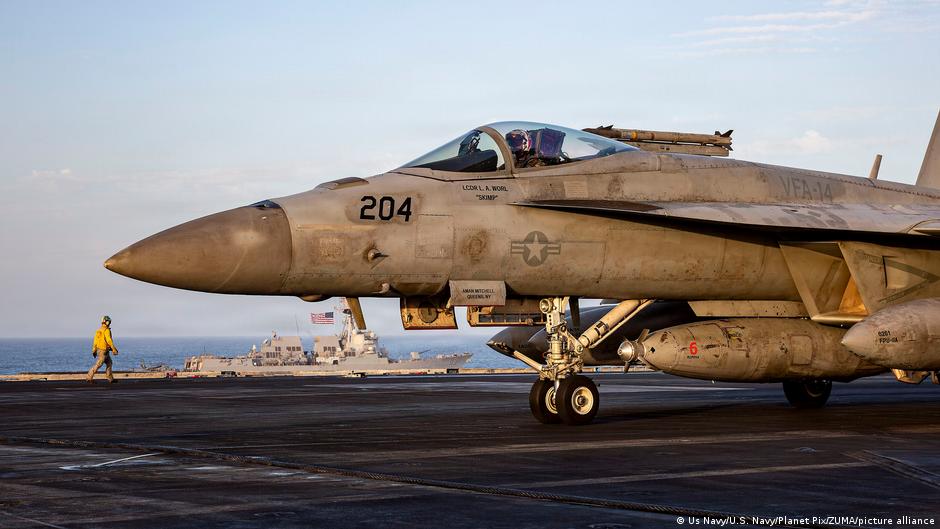
The US has postponed a planned military strike on Iran following appeals from Gulf leaders, initiating complex negotiations with far-reaching geopolitical and economic consequences.

China signals renewed interest in U.S. oil and soybeans, potentially easing trade tensions and impacting global commodity markets and geopolitical relations.

US President Trump and Chinese leader Xi Jinping meet in Beijing to discuss Iran Strait blockade, Taiwan tensions, and trade, signaling potential shifts in global economic dynamics.

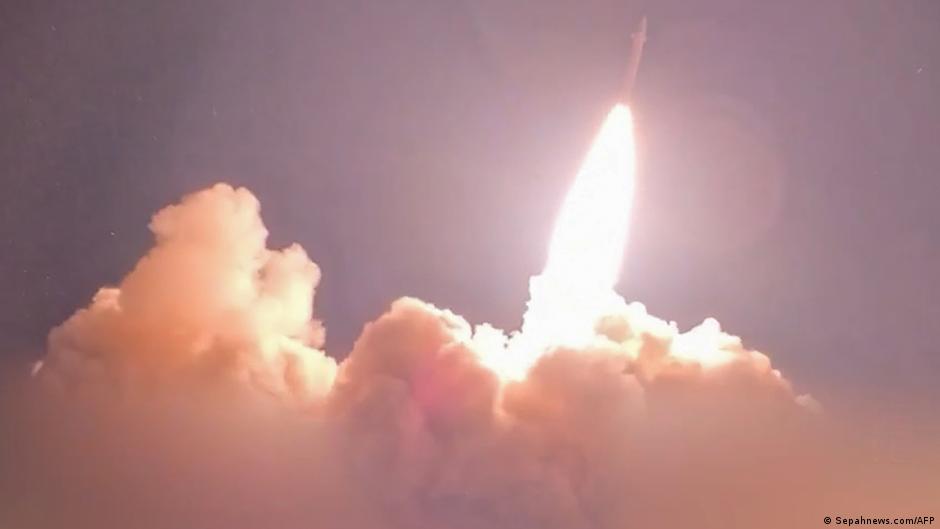
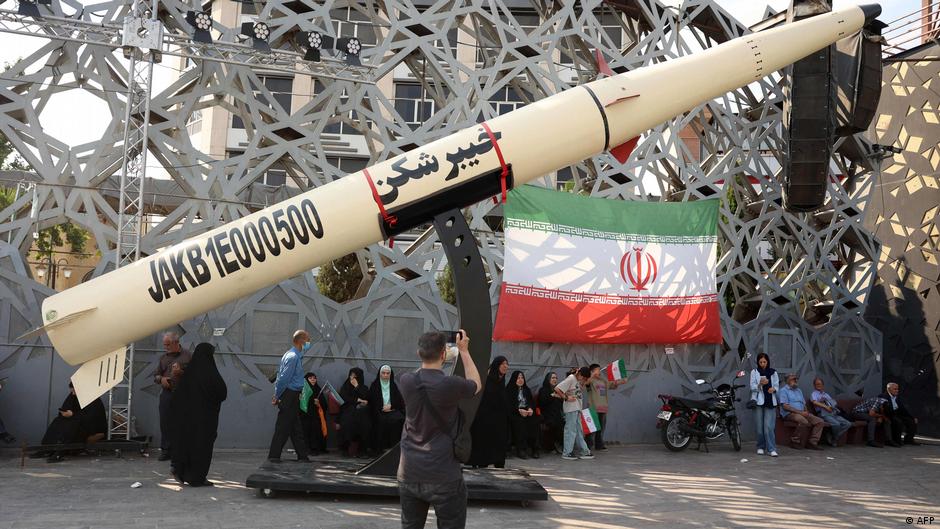
US intelligence indicates Iran retains about 70% of its missile arsenal, contradicting official claims and raising concerns over regional security and munitions supplies.

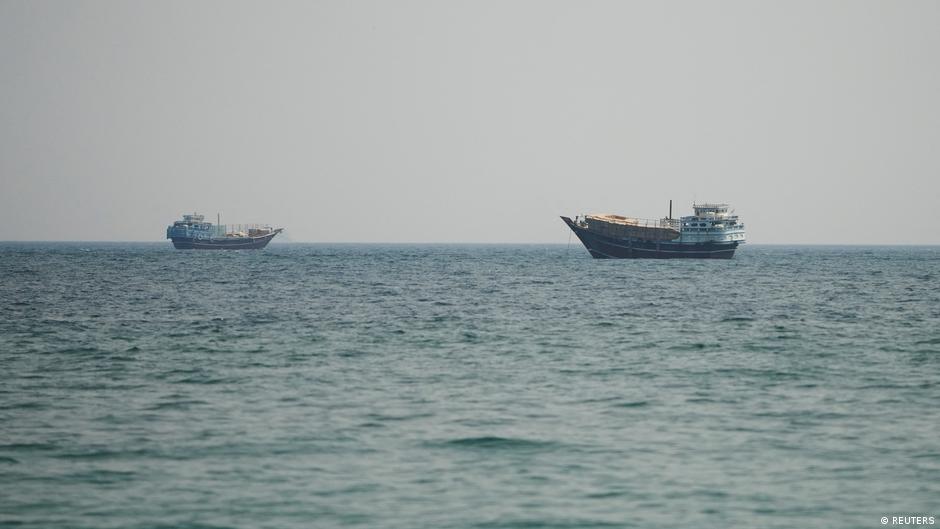
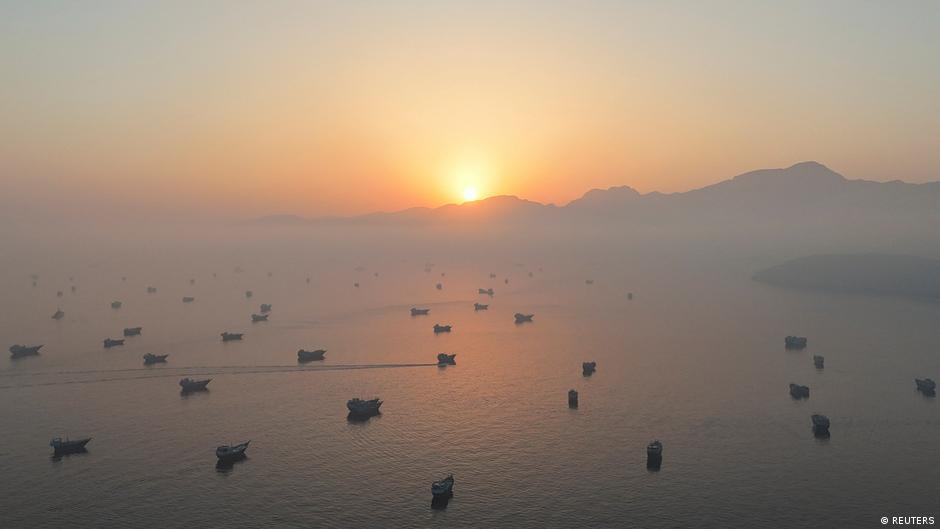
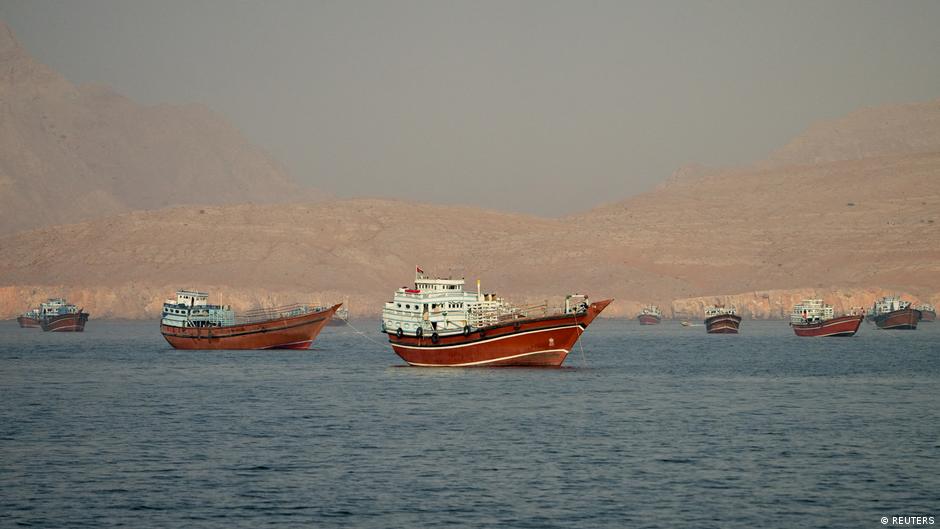
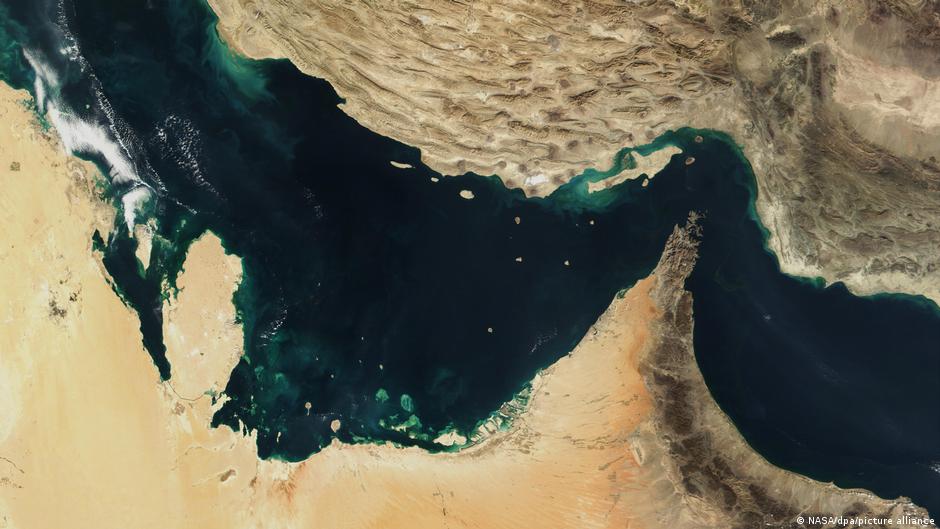
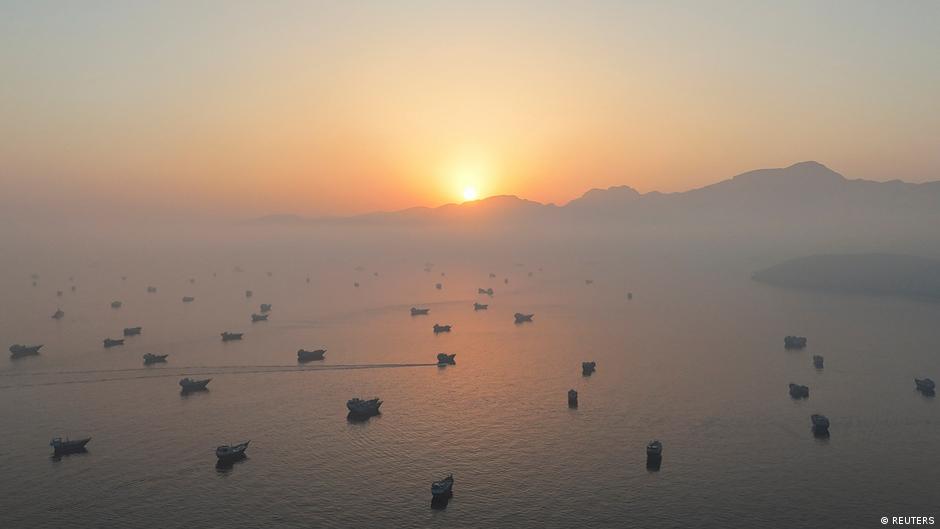
Iran mandates comprehensive vessel disclosures for Strait of Hormuz passage amid US military operations, raising concerns over global energy security and maritime policy shifts.

US and Iran are reportedly close to a deal to end their conflict, with Iran agreeing to halt nuclear weapon development and negotiations set to address sanctions and regional security.

Global oil inventories fell by a record 200 million barrels in April amid Middle East conflicts, pushing reserves to an eight-year low and signaling potential price hikes.

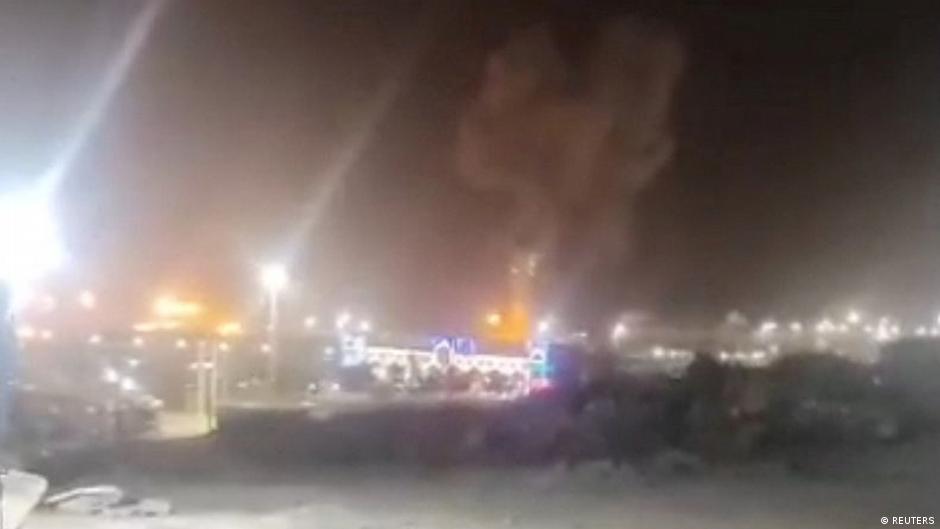
Iran’s missile and drone attacks on the UAE challenge the US-Iran ceasefire, raising risks for regional stability and global energy security.

Iran has presented a 14-point peace plan to the US detailing key conditions to end the Middle East conflict, while Washington remains skeptical about its acceptance.

US threats against Iran have driven Brent crude oil prices above $119 per barrel, raising concerns over long-term energy supply disruptions and global economic impacts.

King Charles III’s US visit aims to mend frayed UK-US relations amid Iran conflict tensions and divergent NATO positions, highlighting broader geopolitical and economic shifts.

The US stops sending envoys to Pakistan for Iran talks, citing strategic advantage and logistical inefficiency amid ongoing Middle East ceasefire and diplomatic uncertainty.

The US will not extend temporary exemptions on Russian and Iranian oil sanctions, ending relief measures for vulnerable countries and signaling a strategic policy shift.

Iran accuses the US of violating a ceasefire after US forces seized an Iranian cargo ship in the Strait of Hormuz, heightening geopolitical and economic risks.

Global airline capacity is projected to decline by 3% in May due to soaring jet fuel costs amid the Iran conflict, posing risks to European and global economies.

President Trump rejects NATO assistance in the Strait of Hormuz, while European nations prepare a peacekeeping mission amid ongoing Middle East tensions.

Russia's Deputy Foreign Minister says the UN proposal to monitor the Strait of Hormuz lacks support from key parties and its future is uncertain.