US Covertly Facilitates Passage of 70 Vessels Through Iran-Blocked Strait of Hormuz
In the past three weeks, US Central Command has secretly aided commercial ships navigating the strategically critical Strait of Hormuz amid escalating Iran-US tensions.
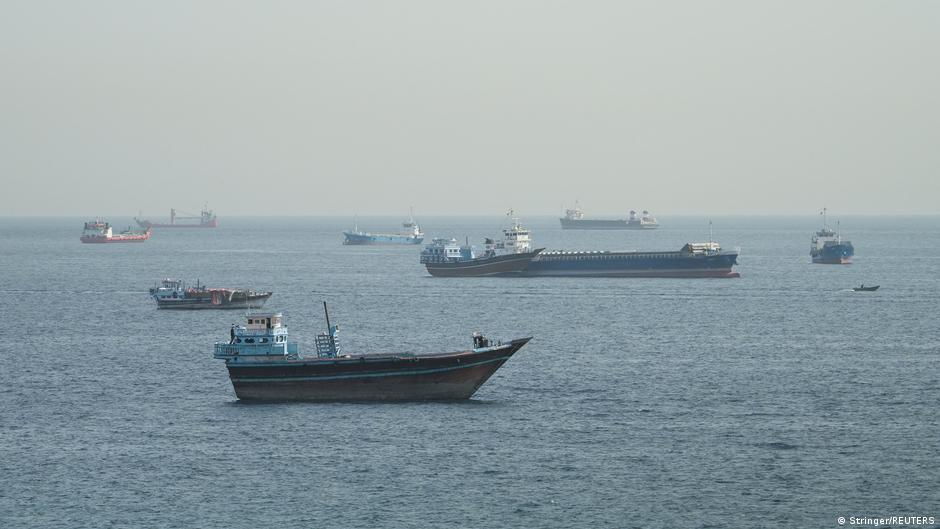
Over the last three weeks, the United States has covertly assisted approximately 70 commercial vessels in transiting the Strait of Hormuz, a vital chokepoint currently subject to Iranian blockade, according to anonymous US officials. The operations underscore Washington's strategic efforts to maintain maritime flow despite intense geopolitical friction with Tehran.
Strategic and Economic Implications of the US Assistance
The Strait of Hormuz, a narrow passageway connecting the Persian Gulf with the Gulf of Oman and the Arabian Sea, is critical for global energy markets, with roughly a fifth of the world's oil supply passing through it under normal conditions. Iran’s blockade, initiated amid rising hostilities, threatens to disrupt international energy supply chains significantly.
US Central Command (CENTCOM) has facilitated these transit operations primarily under conditions of stealth, with many vessels navigating with their transponders turned off to avoid detection. Officials refrained from disclosing specific timings or routes, highlighting at least one instance where vessels were guided away from Iranian coastal waters to minimize risk of Iranian attacks—which US sources characterize as "almost guaranteed" if ships attempt passage without Tehran’s permission.
"The covert nature of US assistance reflects a delicate balance between supporting maritime navigation rights and avoiding overt military escalation with Iran in a highly sensitive region."
Before the outbreak of hostilities on February 28, more than 100 commercial vessels crossed the Strait daily. Current CENTCOM data indicates this number has plummeted to about three vessels per day under US-assisted transit, demonstrating the profound impact of escalating tensions on maritime traffic volume.
While US support is discreet, the majority of vessels still seek formal clearance from Iranian authorities. Data from maritime analytics firm Kpler shows that of 895 passages between March 1 and May 19, just over half followed Iran-approved routes, while approximately 40% took "dark" or untracked passages with transponders disabled, suggesting a significant portion of traffic operates under uncertain security conditions.
In early May, President Donald Trump paused a publicly announced operation named "Freedom Project," which aimed to more openly assist vessels transiting the strait. Following this, CENTCOM continued to encourage passage through the Strait but stopped providing direct naval escorts, a move reflecting a cautious US posture to avoid direct confrontations while maintaining pressure on Iranian restrictions.
The ongoing blockade and countermeasures constitute a prolonged standoff, with Iran demanding passage coordination from shipowners and the US prohibiting tankers from docking at Iranian ports. This dynamic exacerbates global energy market uncertainties and raises the risk of supply chain disruptions.
Recently, reports indicate preliminary framework agreements towards de-escalation have been tentatively reached between US and Iranian negotiators. However, President Trump has yet to endorse any deal, reportedly conditioning agreement on Tehran’s abandonment of nuclear weapons ambitions. Iran’s leadership confirms no final accord has been achieved, indicating the prospect of prolonged regional instability.
For global policymakers and economic strategists, the covert US facilitation of maritime transit through the Strait of Hormuz signals both the fragility of energy supply routes and the complexities of managing conflict escalation without triggering broader disruptions. The situation necessitates vigilant monitoring of geopolitical developments and contingency planning to safeguard energy security amid shifting policy and military postures.