US Military Strikes Iranian Targets Amid Rising Gulf Tensions
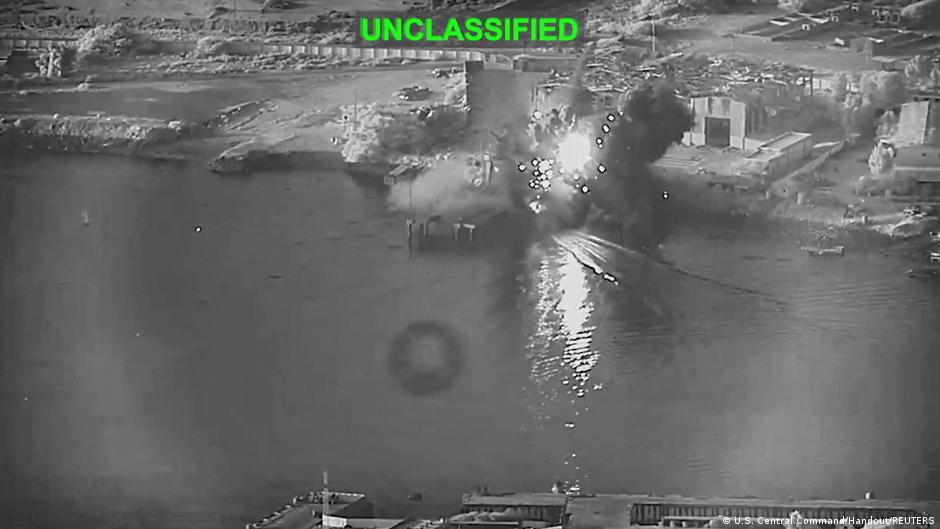
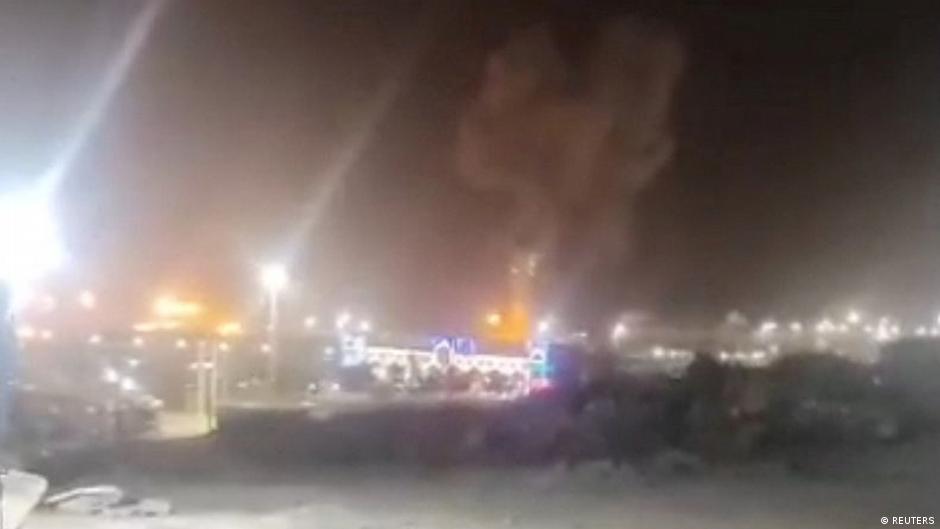
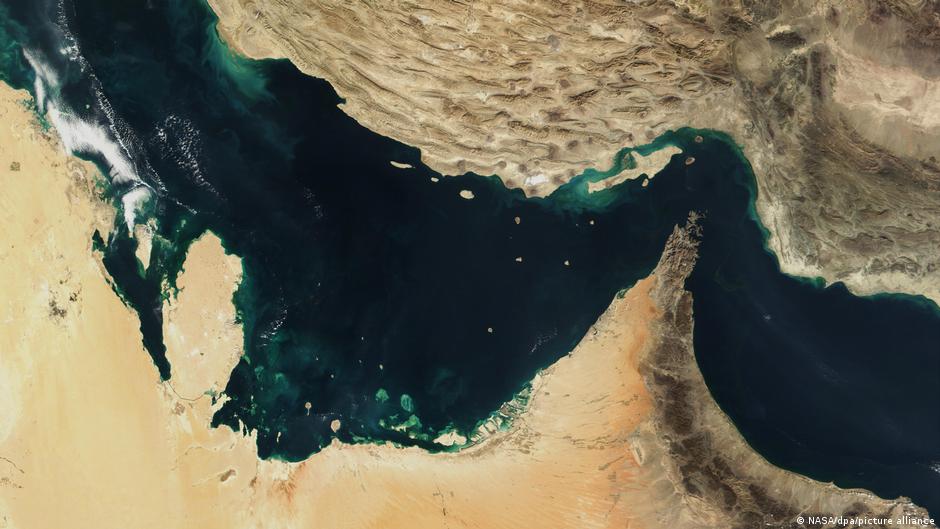
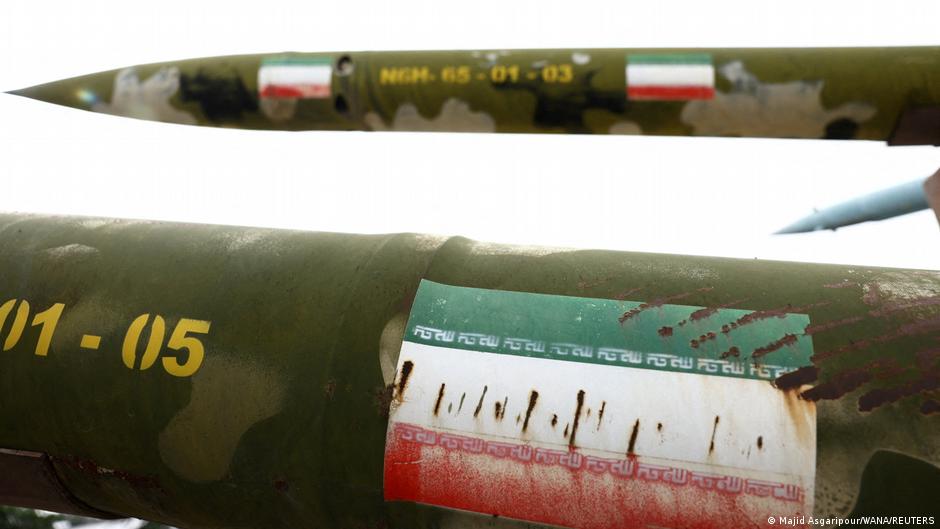
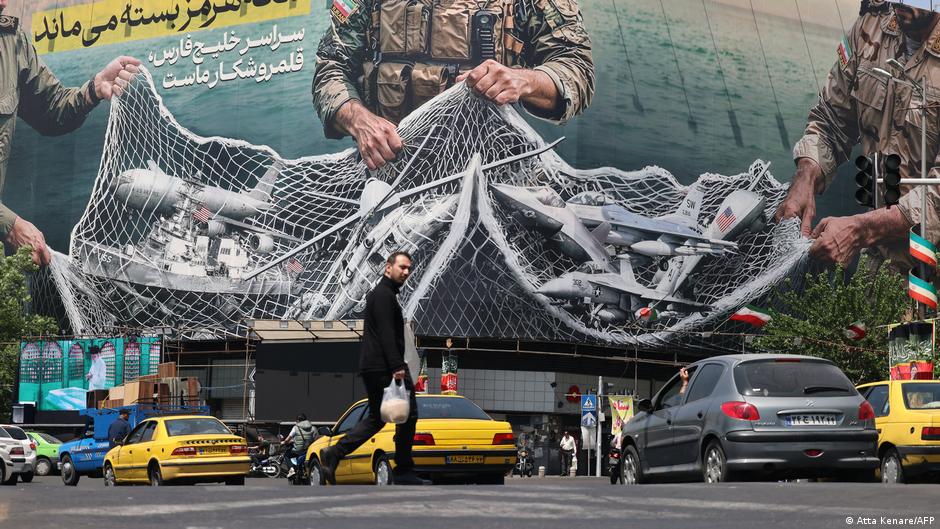
US military strikes on Iranian military and infrastructure sites have escalated tensions in the Persian Gulf, prompting retaliatory Iranian attacks on American bases.

US military strikes on Iranian military and infrastructure sites have escalated tensions in the Persian Gulf, prompting retaliatory Iranian attacks on American bases.

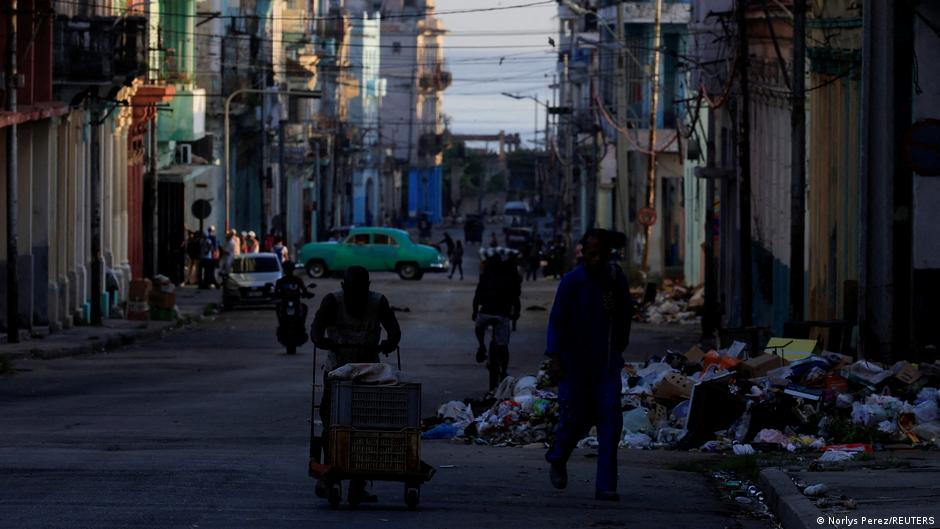
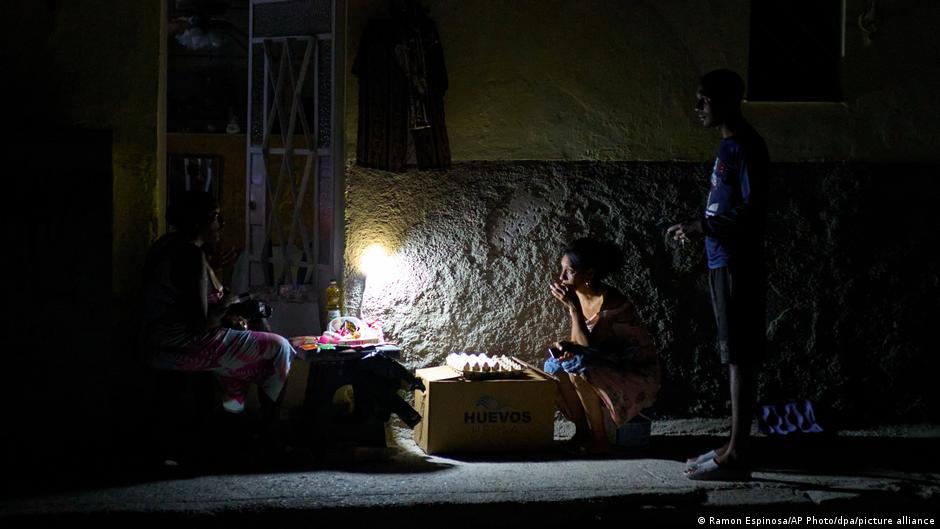
Cuba's nationwide blackout amid fuel shortages and U.S. sanctions deepens the island's economic crisis and stalls diplomatic efforts to resolve the standoff.

Russia has reached its highest weekly maritime oil export levels since early 2026, despite falling global prices and renewed competition from Iranian crude following US-Iran diplomatic progress.

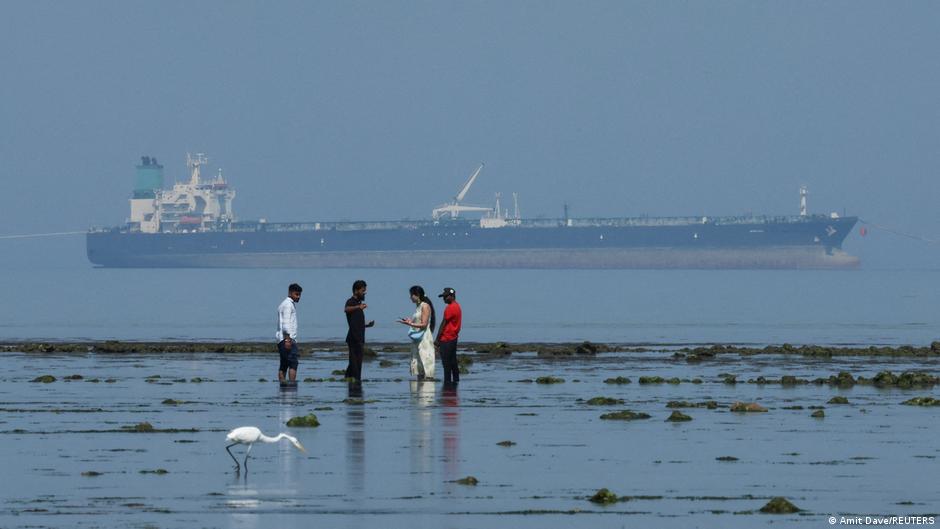
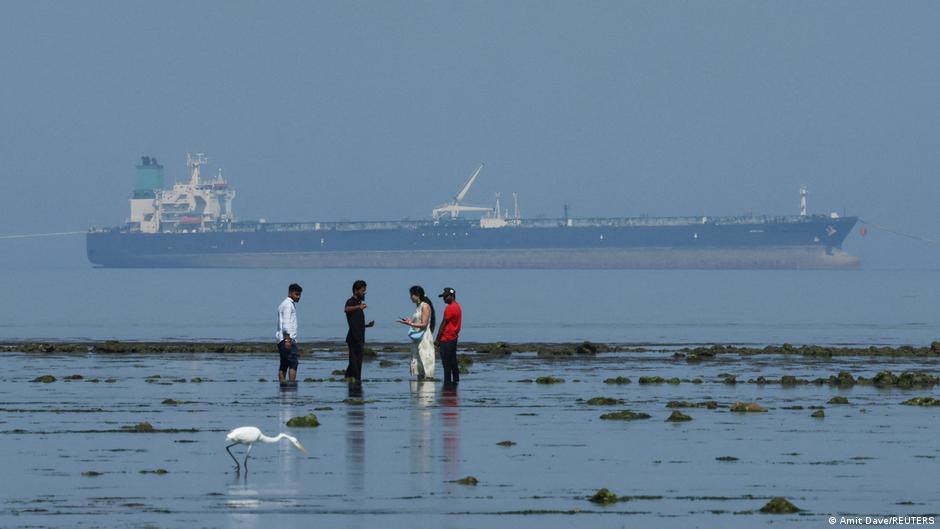
The US ends its blockade of the Strait of Hormuz under Trump’s directive, opening a 60-day negotiation period with Iran and easing tensions in global oil markets.

Pakistan announces the immediate reopening of the Strait of Hormuz following a US-Iran memorandum, signaling a major shift with global economic implications.

Reports claim the UAE agreed to unfreeze billions in Iranian oil revenues to halt attacks, amid advancing Iran-US peace talks; official UAE denial follows.

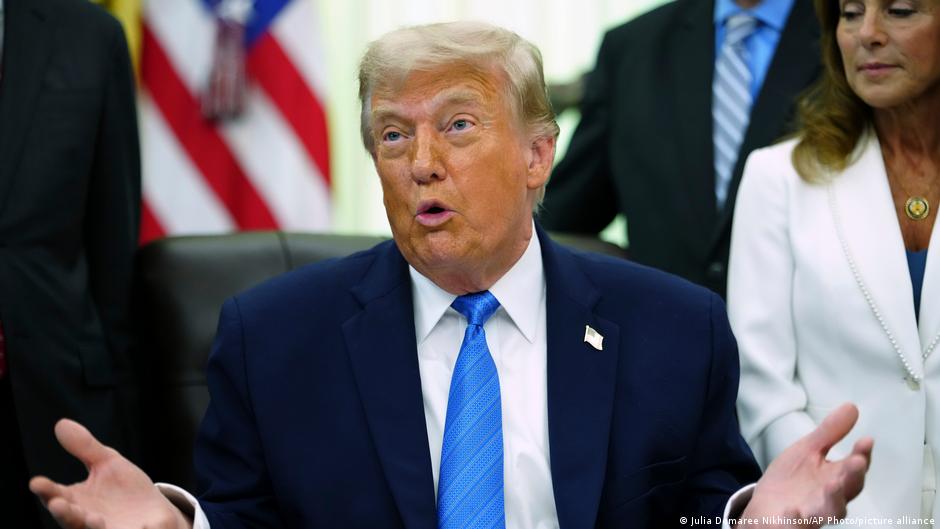
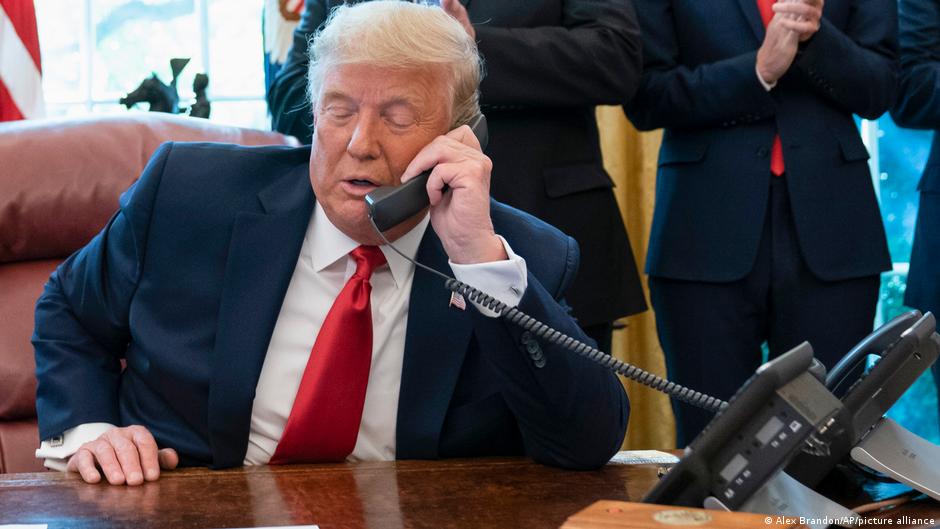
President Trump cancels planned airstrikes on Iran amid advancing talks supported by regional powers, signaling potential for a strategic agreement affecting global energy and security.

US airstrikes on Iran prompt Tehran to close the strategic Strait of Hormuz, escalating geopolitical risks with major consequences for global energy markets and economic stability.

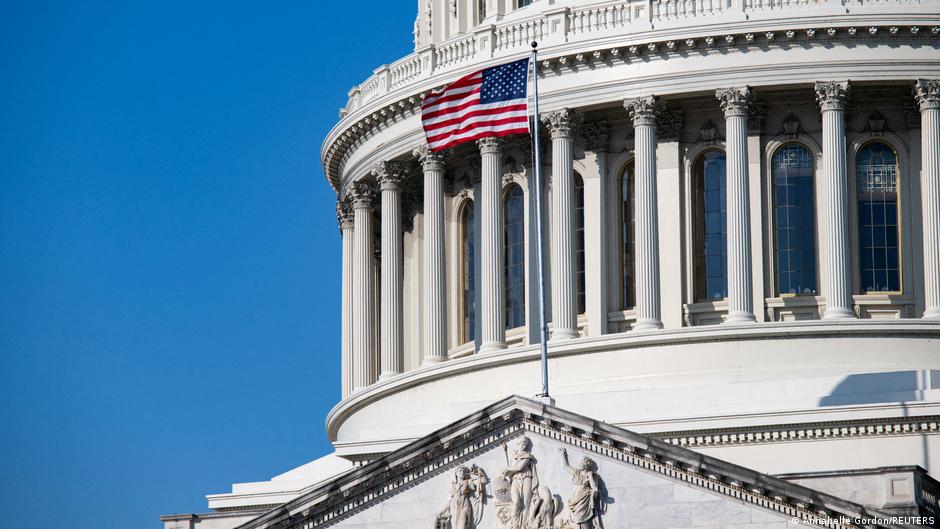
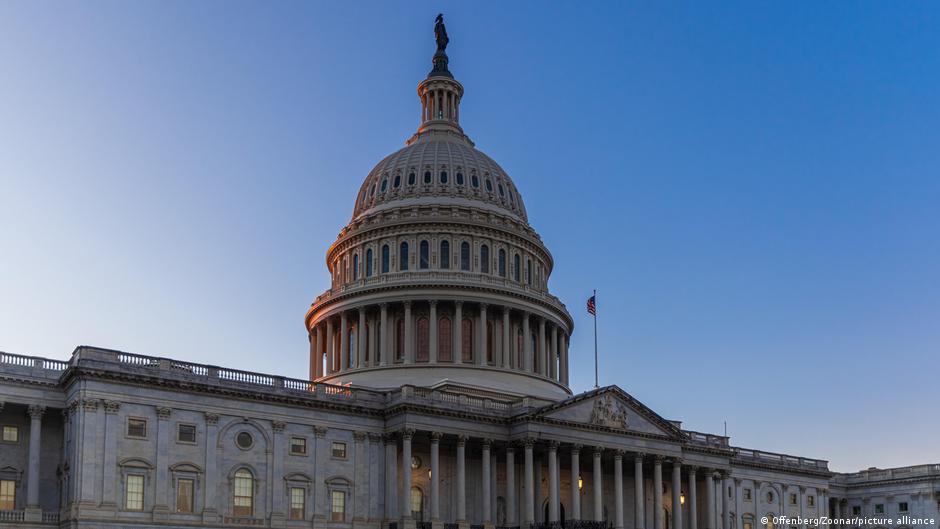
The US House restricts presidential war powers on Iran in a bipartisan vote, reflecting growing congressional resistance and potential impacts on global stability.

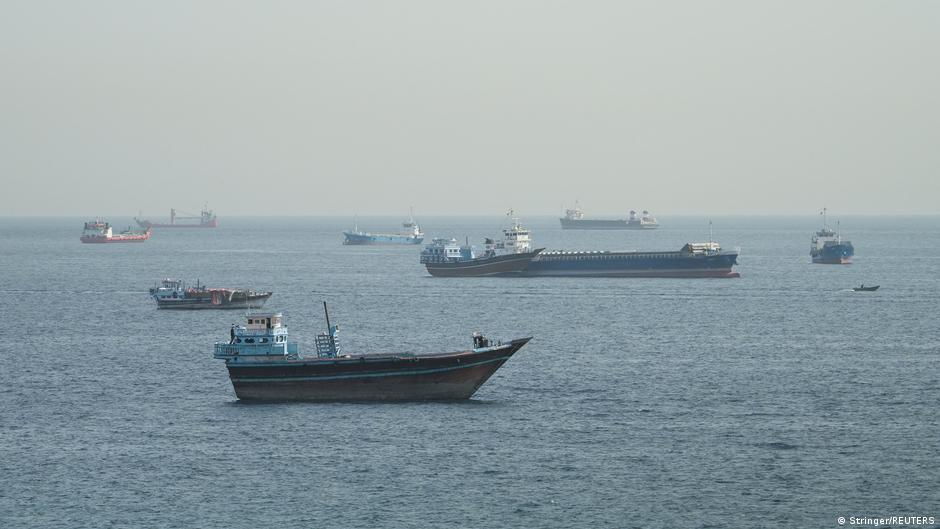
The US has covertly aided around 70 commercial ships navigating Iran-blocked Strait of Hormuz, reflecting heightened geopolitical tensions and risks to global energy supplies.

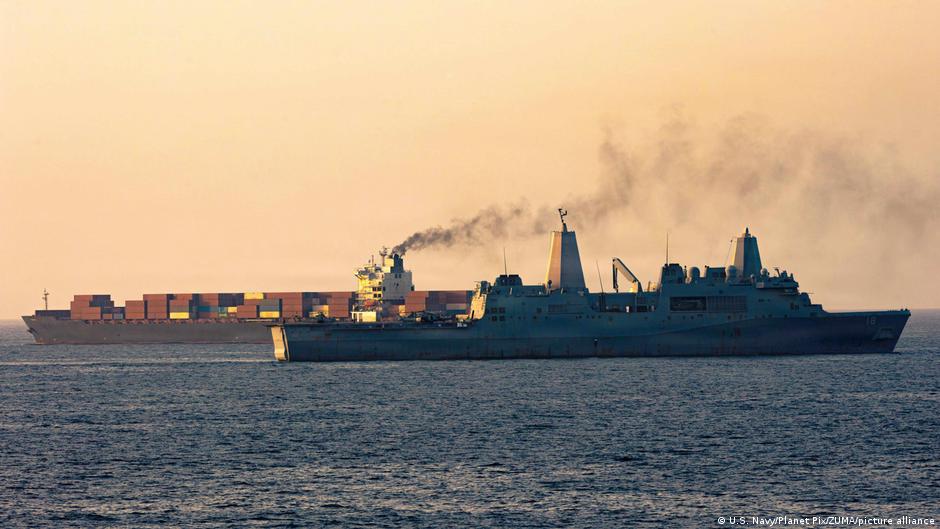
The US military disabled a Gambian-flagged ship heading to Iran, enforcing a Strait of Hormuz blockade amid escalating regional tensions and impacting global trade routes.

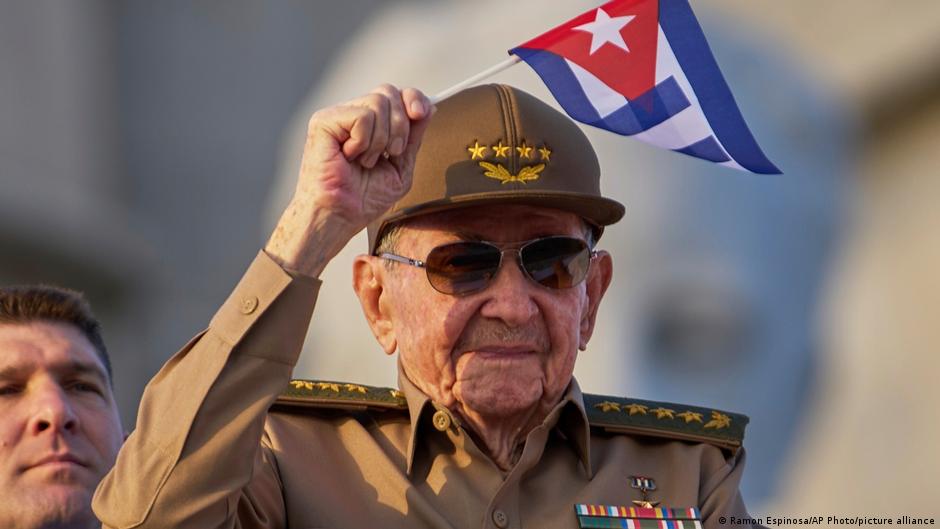
The US charges Raul Castro with murder related to a 1996 incident, signaling a tougher stance on Cuba amid heightened sanctions and geopolitical rivalry.
The EU and US have condemned Israel following a video showing detained pro-Palestinian activists, sparking diplomatic protests and highlighting tensions over Gaza blockade enforcement.

The UK has issued an indefinite license to import diesel and kerosene derived from Russian oil via third countries, easing sanctions amid global energy and economic pressures.

The US Senate advances a resolution demanding presidential Congressional approval for military actions against Iran, highlighting a shift toward legislative oversight and potential policy changes.

The US has postponed a planned military strike on Iran following appeals from Gulf leaders, initiating complex negotiations with far-reaching geopolitical and economic consequences.

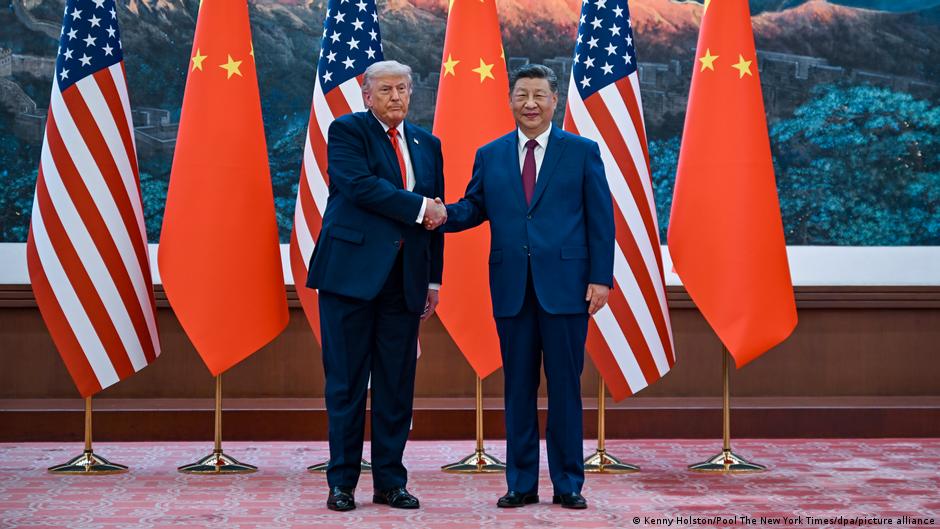
US President Trump and Chinese leader Xi Jinping meet in Beijing to discuss Iran Strait blockade, Taiwan tensions, and trade, signaling potential shifts in global economic dynamics.

Iran’s missile and drone attacks on the UAE challenge the US-Iran ceasefire, raising risks for regional stability and global energy security.

Iran has presented a 14-point peace plan to the US detailing key conditions to end the Middle East conflict, while Washington remains skeptical about its acceptance.

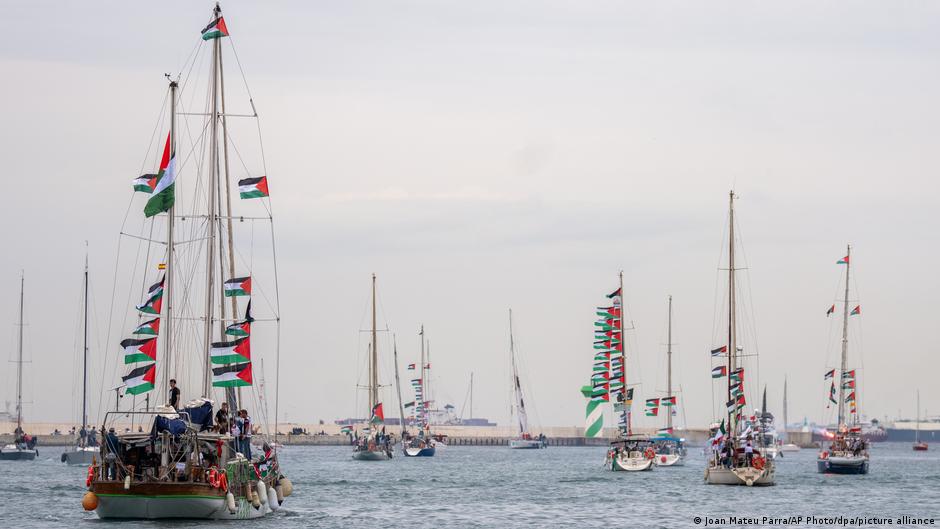
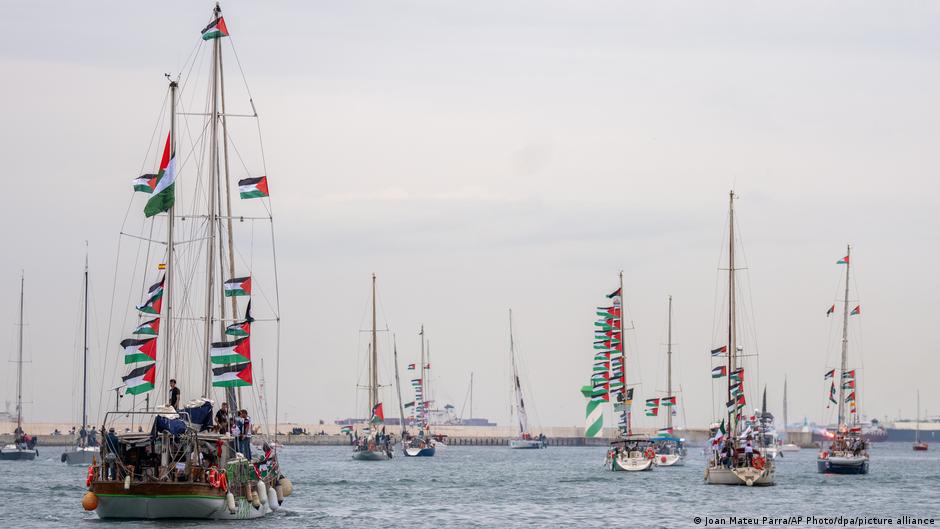
Italy and Germany call for adherence to international law following Israel’s halt of a humanitarian flotilla to Gaza, emphasizing the need for responsible actions amid complex geopolitical tensions.

Israeli forces detained multiple humanitarian aid ships from the Global Sumud Flotilla aiming to breach Gaza's maritime blockade, highlighting ongoing geopolitical and economic challenges.

US threats against Iran have driven Brent crude oil prices above $119 per barrel, raising concerns over long-term energy supply disruptions and global economic impacts.

The US stops sending envoys to Pakistan for Iran talks, citing strategic advantage and logistical inefficiency amid ongoing Middle East ceasefire and diplomatic uncertainty.

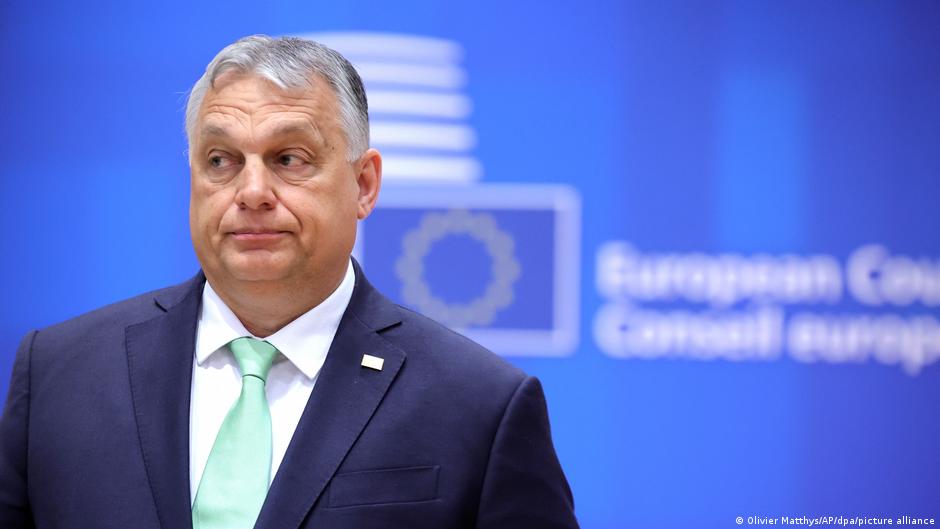
Viktor Orban declines his parliamentary seat to focus on party leadership as Hungary’s new government signals major policy reversals impacting EU and Russia relations.

The US will not extend temporary exemptions on Russian and Iranian oil sanctions, ending relief measures for vulnerable countries and signaling a strategic policy shift.

Iran accuses the US of violating a ceasefire after US forces seized an Iranian cargo ship in the Strait of Hormuz, heightening geopolitical and economic risks.

Global airline capacity is projected to decline by 3% in May due to soaring jet fuel costs amid the Iran conflict, posing risks to European and global economies.

President Trump rejects NATO assistance in the Strait of Hormuz, while European nations prepare a peacekeeping mission amid ongoing Middle East tensions.

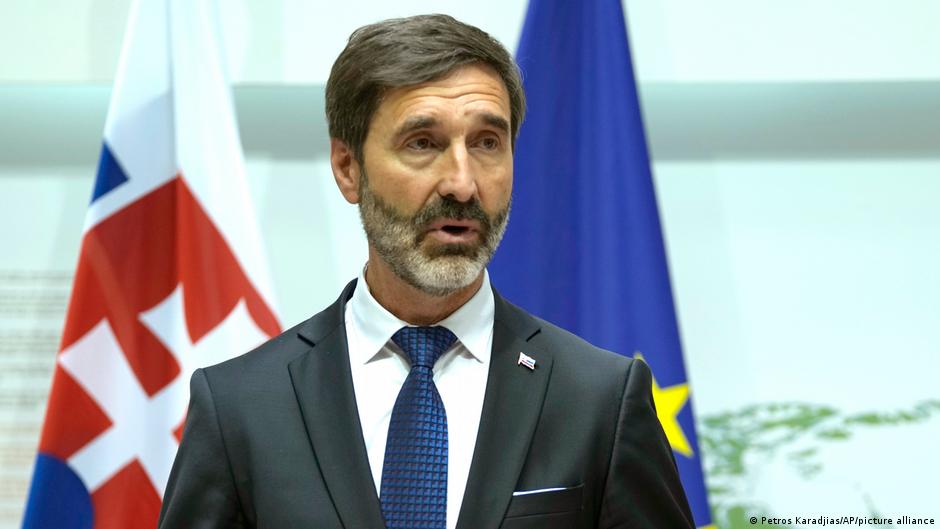
Slovakia will block the EU's 20th sanctions package on Russia until oil supply via the Druzhba pipeline through Ukraine is restored, highlighting regional energy tensions.