Trump Rejects NATO Support in Strait of Hormuz, Underscores Shifting Security Dynamics
US President Donald Trump declines NATO assistance in Strait of Hormuz, highlighting strategic divergences amid regional tensions and evolving international security roles.
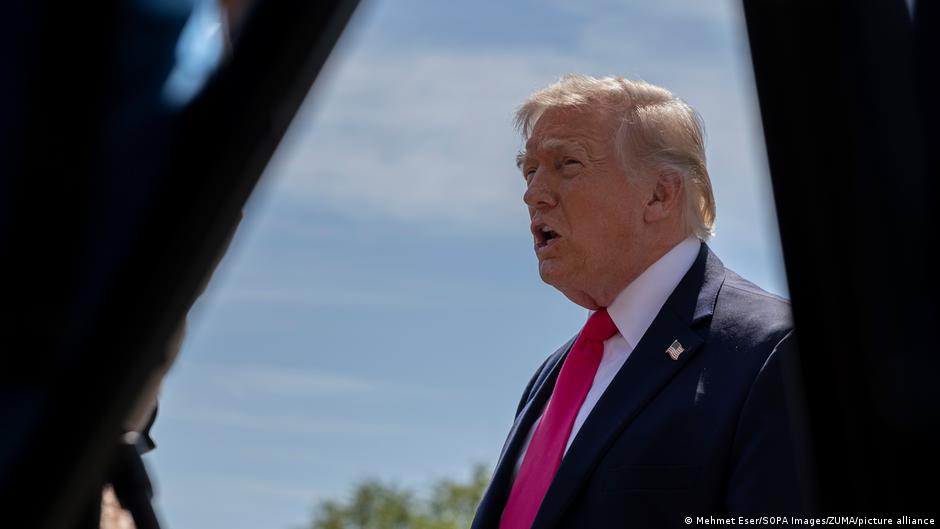
In a recent statement, US President Donald Trump decisively rejected an offer of assistance from NATO concerning security operations in the Strait of Hormuz, a critical maritime chokepoint for global oil shipments. Characterizing the alliance as a "paper tiger," Trump emphasized a unilateral approach to the situation, signaling a potential recalibration of US engagement in collective security frameworks.
Strategic Implications of US-NATO Divergence
Trump's dismissal of NATO assistance came shortly after the situation in the Strait of Hormuz showed signs of stabilization following recent regional tensions. Posting on his social platform Truth Social, Trump stated, "Now that the situation in the Strait of Hormuz has been settled, I received a call from NATO asking if we need help. I told them to stay away unless they just want to load their ships with oil. They were useless when needed – paper tigers!"
This stance underscores a broader shift in the US approach to multilateral security collaborations, especially in strategically sensitive areas. Trump's rejection not only raises questions about NATO's operational role in key maritime security but also reflects a growing emphasis on unilateral or bilateral engagements in managing geopolitical risks.
"They were useless when needed – paper tigers!" – President Donald Trump on NATO's offer of assistance.
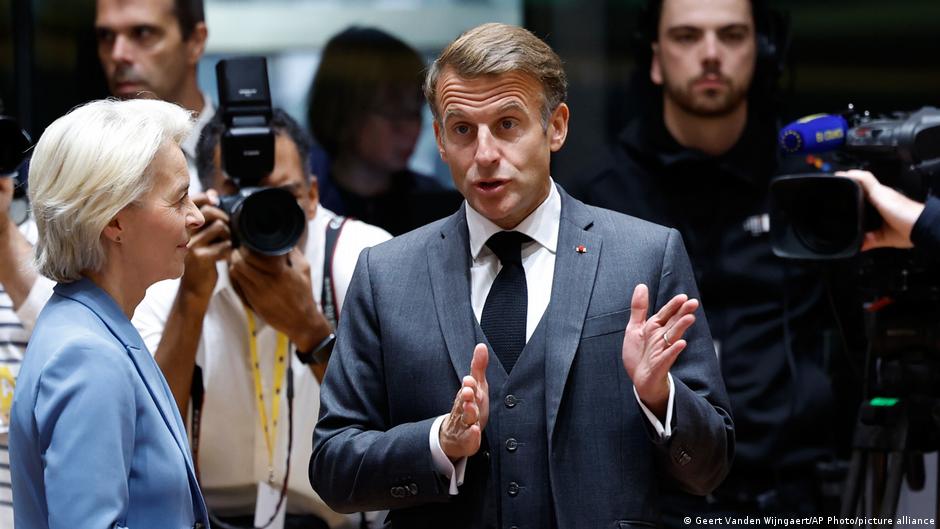
Meanwhile, European powers France and the United Kingdom have stepped forward to lead a multinational mission aimed at ensuring freedom of navigation through the Strait. Announced during an international conference on maritime security held in Paris, French President Emmanuel Macron and UK Labour leader Keir Starmer detailed plans for a peace-oriented, defensive operation focused on commercial shipping security and mine clearance.
"This mission will be strictly peaceful and defensive, geared towards securing commercial navigation and supporting demining efforts," Starmer noted. He added that more than a dozen countries have already offered support, indicating a robust multinational commitment to maritime security independent of US leadership.
Germany has also expressed readiness to participate, contingent upon an end to conflict in the Middle East and a clear legal mandate such as a United Nations Security Council resolution. Chancellor Friedrich Merz emphasized the desirability of US involvement, highlighting ongoing transatlantic coordination challenges in regional security policy.
Regional Developments and Economic Consequences
Concurrently, progress was reported in Middle East hostilities with an announced ceasefire between Israel and Lebanon, mediated in part by diplomatic engagements involving Trump. Both the US and Iran declared the Strait of Hormuz open for commercial passage during the ceasefire, a crucial development for global energy markets. However, Trump reiterated the continuation of the US blockade on Iranian ports until a formal agreement with Tehran is secured.
Despite the tentative truce, hostilities have reportedly persisted, with accusations of violations emerging shortly after the ceasefire commenced. This volatility maintains underlying risks for the stability of energy supply routes traversing the Strait, which handles a significant share of the world's oil trade.
From a macroeconomic perspective, the US rejection of NATO’s assistance coupled with Europe's independent initiative points to an evolving security architecture with broad implications. The Strait of Hormuz remains a vital artery for global energy flows, and disruptions or shifts in security guarantees can have ripple effects on oil prices, supply chain stability, and investment decisions worldwide.
Decision-makers should monitor these geopolitical developments closely, as they may precipitate long-term changes in alliance dynamics, defense expenditures, and international maritime governance frameworks. The increased European leadership role might also indicate a diversification of security responsibilities away from traditional US dominance, potentially affecting transatlantic relations and global economic stability.